
Snoring used to be a punchline. Now it’s a nightly stressor that shows up in relationship memes, travel recovery threads, and workplace burnout talk.
If your sleep feels thin even after “enough” hours, you’re not alone. People are looking for quick, realistic fixes that don’t turn bedtime into a second job.
Thesis: You can improve sleep quality by pairing simple habit changes with the right tool—like an anti snoring mouthpiece—while watching for signs that need medical attention.
Is snoring just annoying, or is it hurting sleep quality?
Snoring can be harmless, but it often signals disrupted airflow. Even when you don’t fully wake up, micro-arousals can fragment sleep and leave you foggy the next day.
That’s why snoring is showing up in the same conversations as sleep trackers, smart rings, and “sleep optimization” trends. The gadget data may not diagnose anything, but it can nudge people to notice patterns like frequent wake-ups or low morning energy.
Clues your sleep is taking a hit
- You wake with a dry mouth or sore throat.
- You feel unrefreshed despite a full night in bed.
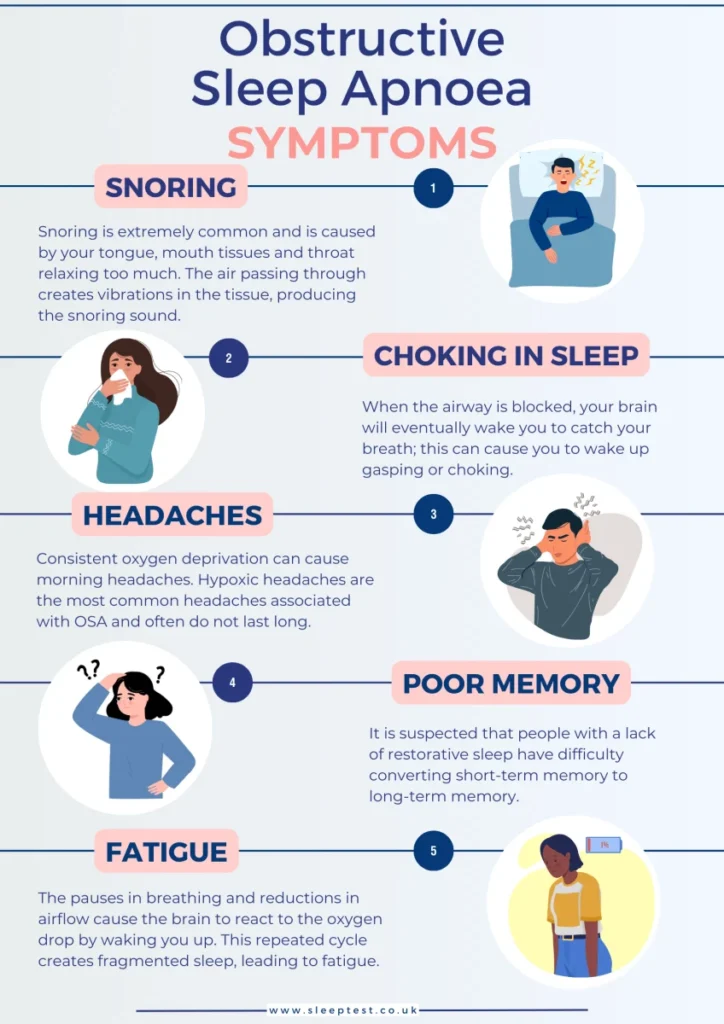
- Your partner reports loud snoring, position-dependent snoring, or choking sounds.
- You rely on caffeine to “start” your brain most mornings.
What are people trying right now to stop snoring?
Recent sleep coverage keeps circling back to a short list: side sleeping, reducing alcohol close to bedtime, managing nasal congestion, and keeping a consistent sleep window. These are boring on paper, but they’re popular because they’re doable tonight.
Travel fatigue also plays a role. After late flights, hotel pillows, and odd meal times, snoring can spike. People often notice it most on trips, then realize it’s been happening at home too.
Quick, low-effort moves that often pair well with devices
- Change position: many snore more on their back.
- Protect your schedule: irregular sleep can worsen fragmentation.
- Address nasal stuffiness: simple steps can reduce mouth-breathing.
- Review evening habits: alcohol and heavy late meals can make snoring louder for some people.
How does an anti snoring mouthpiece actually help?
Most anti-snoring mouthpieces are designed to support the airway by changing jaw or tongue position. A common type is a mandibular advancement device (MAD), which gently brings the lower jaw forward to reduce airway collapse in some sleepers.
This category has been getting extra attention in product roundups and reviews. The reason is simple: it’s a non-surgical option, it’s portable, and it fits the “sleep gadget” moment without requiring a nightstand full of equipment.
What to expect if you try one
- Fit matters: comfort and retention drive whether you’ll actually use it.
- An adjustment period is normal: mild jaw stiffness can happen early on.
- Results vary: some people notice quieter nights fast; others need a different approach.
Which snorers are the best match for a mouthpiece?
Mouthpieces are often discussed for “simple snoring” and for certain cases of sleep-disordered breathing under professional guidance. They may be a better fit when snoring is position-related, when you mainly mouth-breathe at night, or when your partner reports steady snoring without obvious breathing pauses.
They may be a poor match if you have significant dental issues, jaw pain, or you suspect sleep apnea. If you’re unsure, it’s worth getting screened rather than guessing.
When to take sleep apnea seriously
If you notice gasping, choking, witnessed breathing pauses, or heavy daytime sleepiness, don’t treat it like a “just snoring” problem. Sleep apnea is widely covered by major medical sources, and it’s linked with meaningful health risks when untreated. See this overview on 7 Ways to Help Manage Sleep Apnea, Starting Tonight for a starting point.
What should couples do when snoring turns into a relationship issue?
Snoring jokes land differently at 2:00 a.m. If resentment is building, treat it like a shared problem, not a personal flaw.
Try a simple plan for two weeks: pick one habit change (like side-sleeping) and one tool (like a mouthpiece), then reassess together. That structure keeps the conversation practical and reduces the nightly “did you do the thing?” tension.
What’s a realistic, no-drama plan for better sleep this week?
Keep it tight and measurable. You’re aiming for fewer wake-ups, better morning energy, and less partner disturbance—not perfection.
- Pick a consistent bedtime and wake time for 5–7 days.
- Limit alcohol close to bedtime if snoring worsens after drinking.
- Test side sleeping (a pillow strategy can help).
- If you want a device, choose one approach and use it consistently.
FAQ
Do anti-snoring mouthpieces work for everyone?
No. They tend to help some people with simple snoring, but they may not be enough if you have sleep apnea or significant nasal blockage.
What’s the difference between snoring and sleep apnea?
Snoring is sound from airflow turbulence. Sleep apnea involves repeated breathing reductions or pauses during sleep and can cause daytime sleepiness and health risks.
How long does it take to get used to a mouthpiece?
Many people need several nights to a couple of weeks. Mild jaw or tooth soreness can happen early on, and fit matters a lot.
Can a mouthpiece replace a CPAP?
Sometimes an oral appliance is prescribed as an alternative for certain people, but CPAP remains a common first-line treatment for many cases. A clinician should guide this choice.
When should I stop self-treating and get checked?
If you gasp or choke at night, have loud snoring plus daytime sleepiness, or your partner notices breathing pauses, get evaluated for sleep apnea.
Try a mouthpiece option designed for real-life sleep
If you’re exploring gear, this anti snoring mouthpiece is one way people combine jaw support with a strap to discourage mouth-opening at night.
How do anti-snoring mouthpieces work?
Medical disclaimer: This article is for general education only and is not medical advice. It does not diagnose or treat any condition. If you suspect sleep apnea, have significant daytime sleepiness, or have jaw/dental pain, talk with a qualified clinician or dentist for personalized guidance.