
- Snoring is having a moment because sleep gadgets, recovery trends, and burnout talk all point back to one thing: you need real rest.
- Sleep quality isn’t just “hours in bed.” Fragmented sleep can leave you foggy, irritable, and craving caffeine by 10 a.m.
- An anti snoring mouthpiece can be a practical tool for certain types of snoring, especially when position and jaw posture play a role.
- Not all snoring is harmless. If you have red-flag symptoms, screening matters more than another gadget.
- Document what you try. A simple sleep log reduces guesswork and helps you talk to a clinician if you need to.
What people are talking about (and why it matters)
Sleep is trending like a new fitness wearable. People compare scores, chase “perfect” routines, and stack gadgets on the nightstand. Meanwhile, travel fatigue is back in the mix, and more couples are joking (sometimes not joking) about “sleep divorce” to escape snoring.
Workplace burnout adds fuel to the fire. When your days are overloaded, a noisy night can feel like the final straw. That’s why snoring solutions—apps, nasal strips, smart pillows, and mouthpieces—keep popping up in health conversations.
One important shift: the tone is less about “stop annoying your partner” and more about “protect your sleep health.” That’s a better frame. Sleep affects mood, focus, and long-term health.
The medical reality check: when snoring is more than noise
Snoring happens when airflow gets turbulent and tissues vibrate. Sometimes it’s tied to congestion, alcohol, back-sleeping, or weight changes. Other times, it can be a sign of obstructed breathing during sleep.
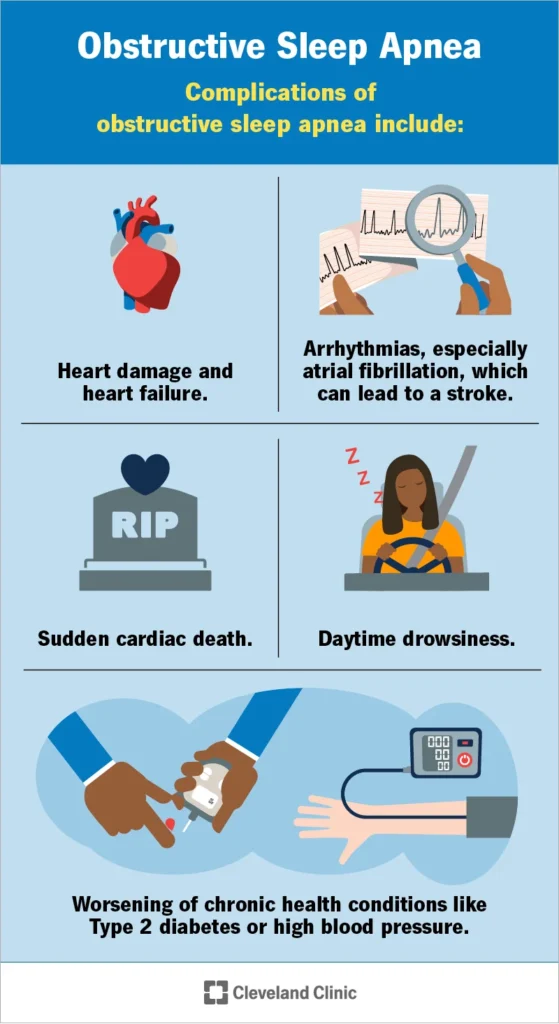
Sleep apnea is the term people hear most. In plain language, it means your breathing can repeatedly narrow or pause during sleep. That can fragment sleep and strain the body over time. If you want a general overview, see 7 Ways to Help Manage Sleep Apnea, Starting Tonight.
Quick screen: signs you shouldn’t ignore
- Loud snoring most nights, especially with gasping or choking
- Someone witnesses pauses in breathing
- Waking with headaches, dry mouth, or a racing heart
- Daytime sleepiness that affects work, mood, or driving
- High blood pressure or other cardiometabolic risks (talk to your clinician)
If those show up, prioritize medical evaluation over experimenting endlessly. A mouthpiece may still have a role, but the order of operations matters.
What you can try at home tonight (low-drama, high-impact)
Before you buy another sleep gadget, tighten up the basics. These steps are simple, and they help you learn what’s actually driving your snoring.
1) Run a 14-night “snore + sleep quality” log
Keep it quick. Rate snoring volume (0–3), morning energy (0–3), and note alcohol, congestion, and sleep position. If you share a room, ask your partner for a simple rating too. This protects you from placebo and helps you spot patterns.
2) Change position without turning bedtime into a project
Back-sleeping often worsens snoring. Try side-sleeping support with a body pillow or a small pillow behind your back. If you travel a lot, build a “hotel version” of the same setup so you don’t reset progress every trip.
3) Support nasal breathing
Congestion can push you into mouth-breathing, which can make snoring louder. Use common-sense steps like hydration and managing allergies as you normally would. Avoid overdoing sprays or supplements without guidance.
4) Adjust the late-evening inputs
Alcohol close to bedtime can relax airway muscles. Heavy meals late can also disrupt sleep. You don’t need perfection. Aim for fewer “stacked disruptors” on the same night.
Where an anti snoring mouthpiece fits (and how to use it responsibly)
Many anti-snoring mouthpieces work by gently positioning the jaw and tongue to keep the airway more open. For the right person, that can reduce vibration and noise. It can also improve sleep continuity when snoring is causing micro-awakenings.
Who tends to do well with a mouthpiece
- Snoring that’s worse on the back
- People who wake up with a dry mouth from mouth-breathing
- Those who want a non-electronic option (no charging, no app)
- Partners who need a practical, relationship-saving first step
Safety and screening: reduce risk, increase clarity
- Start slow. Wear it for short periods before a full night to reduce jaw soreness.
- Watch for jaw joint pain. Stop if you develop sharp pain, locking, or worsening headaches.
- Protect dental health. Don’t use a device if you have loose teeth, active gum issues, or significant dental pain.
- Keep it clean. Rinse and clean daily to reduce irritation and odor buildup.
- Document outcomes. Note snoring ratings, comfort, and morning symptoms in your log.
If you’re comparing options, a combo approach can be appealing for people who also struggle with mouth opening at night. Here’s a related option to review: anti snoring mouthpiece.
When to stop DIY and get professional help
Get checked sooner rather than later if you have red-flag symptoms, significant daytime sleepiness, or cardiovascular concerns. Also consider an evaluation if you tried position changes and a mouthpiece consistently for 2–4 weeks and nothing improves.
Bring your 14-night log to the appointment. It shows what you tested, how often you used it, and what changed. That makes the conversation faster and more productive.
FAQ
Can snoring hurt sleep quality even if I don’t wake up?
Yes. Snoring can fragment sleep in subtle ways, and it can also disturb a partner’s sleep. Both effects can add up.
Is a louder snore always more dangerous?
Not always. Volume doesn’t perfectly predict severity. Patterns like gasping, witnessed pauses, and severe sleepiness are more concerning.
Do mouthpieces replace CPAP for sleep apnea?
They are different tools. Some people with diagnosed apnea may use oral appliances under medical supervision, while others need CPAP or another plan. A clinician can guide that decision.
CTA: make your next step simple
If you’re ready to understand the basics before buying yet another sleep gadget, start here:
How do anti-snoring mouthpieces work?
Medical disclaimer: This article is for general education and does not replace medical advice, diagnosis, or treatment. If you suspect sleep apnea or have severe daytime sleepiness, choking/gasping at night, or other concerning symptoms, seek evaluation from a qualified healthcare professional.