
- Snoring is having a moment because sleep gadgets and “sleep optimization” trends are everywhere.
- Sleep quality is the real target, not just decibel control—your next-day mood and focus are the giveaway.
- Night-shift schedules and travel fatigue can make snoring feel louder and sleep feel lighter.
- An anti snoring mouthpiece may help if jaw position is part of the problem.
- Some snoring needs medical attention, especially when breathing pauses or severe sleepiness show up.
What people are talking about right now (and why it matters)
Sleep advice is cycling back to basics, even as new devices keep launching. You’ve probably seen the same themes pop up: consistent sleep timing, a cooler/darker bedroom, and fewer late-night “scroll spirals.” The cultural vibe is clear: people want a simple plan that works, not a complicated biohacking hobby.
At the same time, snoring is getting more airtime because it affects more than the snorer. Relationship humor is everywhere for a reason. One person’s “I slept great” can be the other person’s “I heard a leaf blower for eight hours.”
There’s also renewed interest in snoring devices, including mouthpieces, as clinical research continues to test new approaches. If you’ve been tempted by reviews and roundups, you’re not alone.
If you want a quick overview of These Are the Sleep Tips Experts (And Science!) Actually Back, start there, then come back to snoring specifics.
What matters medically (plain-language, no panic)
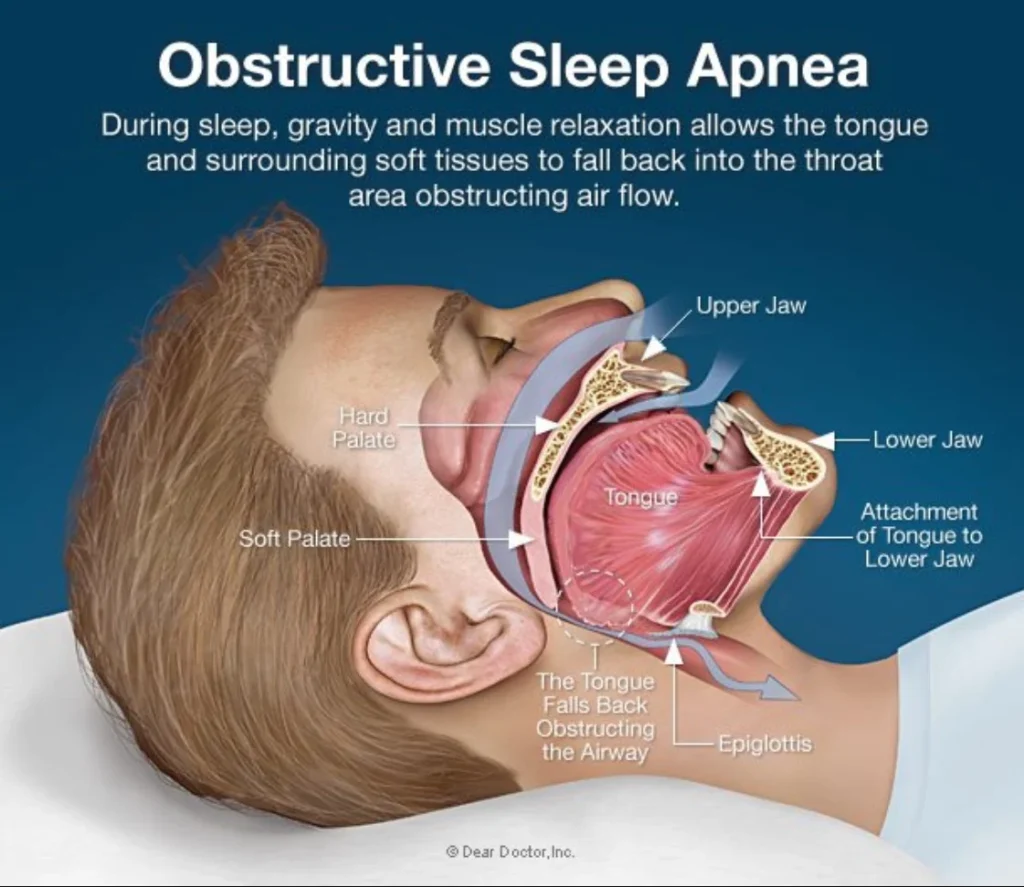
Snoring usually happens when airflow is partially blocked and soft tissues vibrate. Common contributors include sleeping on your back, nasal congestion, alcohol close to bedtime, and weight changes. Stress and burnout can also play a role by pushing sleep later and shortening total sleep time.
What you’re really watching for is whether snoring is a harmless annoyance or a sign your breathing is disrupted. Loud snoring paired with gasping, choking, witnessed pauses in breathing, morning headaches, or heavy daytime sleepiness deserves a closer look.
Why sleep quality can drop even if you “stay in bed”
Sleep can look normal on the outside and still be fragmented. Micro-awakenings (for you or your partner) can reduce deep sleep and leave you feeling unrefreshed. That’s why “I got eight hours” can still feel like “I got hit by a truck.”
How to try a realistic at-home plan this week
Keep this simple. You’re not building a lab. You’re building a repeatable bedtime that survives work stress, travel days, and late dinners.
Step 1: Pick one baseline change (not five)
Choose one that fits your life:
- Side-sleep setup: Use a pillow arrangement that makes back-sleeping less likely.
- Nasal support: If you’re often congested, consider saline rinse or nasal strips (follow product directions).
- Alcohol timing: Move drinks earlier in the evening when possible.
- Bedroom “power down”: Dim lights and reduce noise for the last 30–60 minutes.
Step 2: Where an anti snoring mouthpiece fits
If your snoring is worse on your back or you notice a “jaw slipping back” feeling, a mouthpiece may be worth considering. Many anti-snoring mouthpieces aim to support a forward jaw position, which can help keep the airway more open during sleep.
Comfort and fit matter. A device that hurts your jaw or makes you dread bedtime won’t last long enough to help.
If you’re comparing options, take a look at this anti snoring mouthpiece. It’s the kind of setup some people explore when mouth-breathing or jaw drop seems to be part of their snoring pattern.
Step 3: Track two signals (keep it low effort)
- Partner report: Was snoring quieter, shorter, or unchanged?
- Next-day function: How’s your morning energy and focus?
Skip perfection. You’re looking for directionally better, not “zero snoring forever.”
Night shift and travel fatigue: adjust expectations, not just gear
When your schedule flips or you’re sleeping in a hotel, snoring can flare up. Fatigue, dry air, and irregular timing can all add friction. Prioritize a consistent wind-down routine and hydration, then layer in your device or nasal support if you use one.
When it’s time to seek help (don’t white-knuckle it)
Get medical guidance if any of these are true:
- Someone notices breathing pauses, choking, or gasping during sleep
- You have significant daytime sleepiness or drowsy driving risk
- Snoring is loud and persistent despite basic changes
- You have high blood pressure, heart concerns, or morning headaches
- You develop jaw pain, tooth pain, or bite changes with a mouthpiece
A clinician can help rule out sleep apnea and discuss options that match your anatomy and symptoms. That might include a sleep study and different treatments depending on the findings.
FAQ (quick answers)
Do anti-snoring mouthpieces stop snoring completely?
Sometimes they reduce it a lot, sometimes only a little. Results depend on what’s driving the snoring and how well you can wear the device consistently.
What’s the biggest beginner mistake?
Changing too many things at once. Start with one habit plus one device approach so you can tell what’s actually helping.
Can stress and burnout make snoring worse?
They can indirectly. Stress often shortens sleep and shifts bedtime later, which can worsen sleep fragmentation and make snoring more noticeable.
Next step: get a calmer night (and a quieter room)
If you want a practical starting point, explore a mouthpiece option and keep your plan simple for two weeks. Consistency beats novelty.
How do anti-snoring mouthpieces work?
Medical disclaimer: This article is for general education only and isn’t medical advice. It doesn’t diagnose, treat, or replace care from a qualified clinician. If you suspect sleep apnea, have significant daytime sleepiness, or develop jaw/tooth pain with any device, seek professional evaluation.