
- Snoring is having a moment again—sleep gadgets, wearables, and “biohacking” talk are everywhere.
- Better sleep quality is the real goal. Less noise is great, but daytime energy matters more.
- An anti snoring mouthpiece may help when snoring comes from airway vibration during sleep.
- Safety isn’t optional. Clean it, fit it correctly, and document what you tried.
- If snoring comes with breathing pauses or heavy sleepiness, treat it as a screening issue, not a “funny quirk.”
What people are talking about right now (and why)
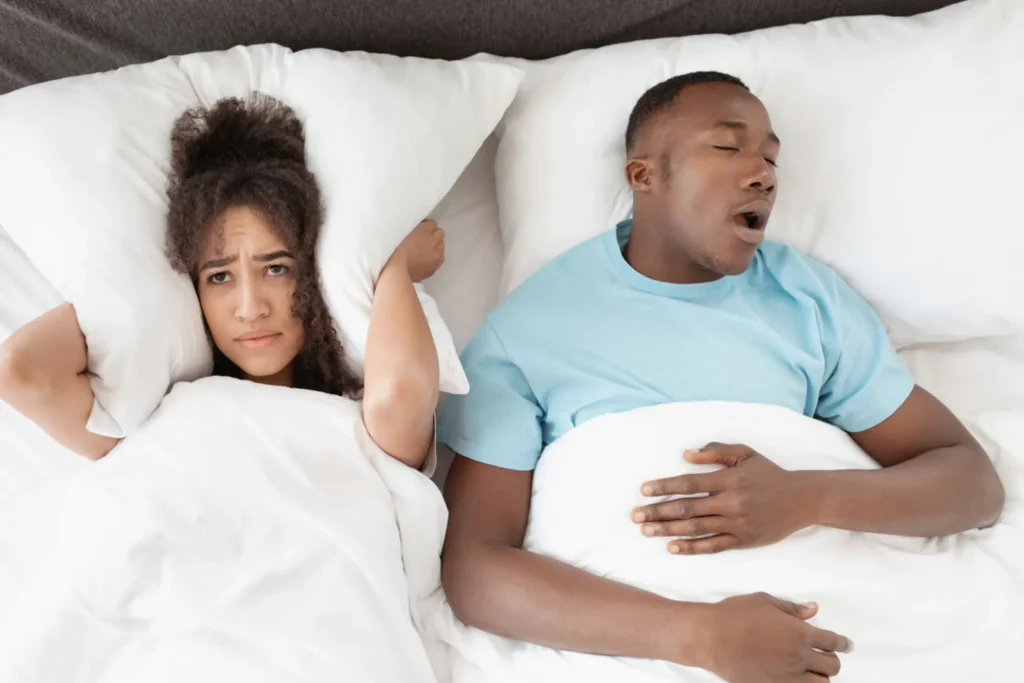
Snoring used to be a punchline. Now it’s a relationship issue, a travel problem, and a workplace-burnout multiplier. When you’re running on short sleep, even a small disruption feels huge.
Recent coverage has also pushed sleep apnea into more mainstream conversation, including benefits and documentation topics for veterans and disability claims. If you’ve seen discussions around a Sleep Apnea VA Rating Guide: How to Get 50% or Higher, the big takeaway is simple: symptoms, testing, and records matter.
On the consumer side, mouthpieces keep showing up in “best of” roundups and product reviews. That’s useful, but it can also make snoring feel like a quick purchase instead of a health check.
What matters medically (without the drama)
Snoring usually happens when tissues in the upper airway vibrate as you breathe. That can be louder with nasal congestion, alcohol, back-sleeping, or weight changes. It can also show up during stressful weeks, when sleep is lighter and more fragmented.
Snoring is not the same thing as sleep apnea. Still, loud snoring can be a clue. If someone notices breathing pauses, choking, or gasping, treat it as a reason to get evaluated.
Red flags worth taking seriously
- Witnessed pauses in breathing
- Gasping or choking during sleep
- High daytime sleepiness (dozing off easily)
- Morning headaches or dry mouth most mornings
- High blood pressure or heart risk factors
Medical disclaimer: This article is for general education and does not diagnose, treat, or replace care from a clinician or dentist. If you suspect sleep apnea or have severe symptoms, seek professional evaluation.
How to try at home (a low-drama plan)
If your snoring seems situational—and you don’t have major red flags—start with a simple, trackable approach. You want fewer variables, not more gadgets.
Step 1: Run a 10-night “sleep quality” mini-audit
- Pick one snoring-tracking method (a phone app or partner notes).
- Write down bedtime, alcohol, congestion, and sleep position.
- Rate morning energy from 1–10.
This creates a paper trail. It also helps you avoid guessing later.
Step 2: Try the basics that reduce vibration
- Side-sleeping support (pillow positioning can help).
- Address temporary nasal stuffiness (saline rinse or shower steam can be enough for some people).
- Reduce alcohol close to bedtime if it’s a trigger for you.
- Set a consistent wind-down so you’re not “crashing” from burnout.
These steps are boring. They’re also commonly helpful, especially after travel fatigue or schedule chaos.
Step 3: Where an anti-snoring mouthpiece fits
Many anti-snoring mouthpieces are designed to gently bring the lower jaw forward. That can reduce airway vibration for some sleepers. It’s not a universal fix, and comfort matters.
If you’re researching products, start with a clear goal: reduce snoring while protecting your teeth and jaw. Look for fit guidance, cleaning instructions, and realistic return policies. You can compare anti snoring mouthpiece and narrow to what matches your mouth and tolerance.
Safety checklist (reduce infection and “oops” moments)
- Wash hands before handling the device.
- Clean it daily and let it dry fully (moist cases can get gross fast).
- Don’t share mouthpieces. Ever.
- Stop if you get sharp jaw pain, tooth pain, bleeding gums, or new bite changes.
- If you have TMJ issues, significant dental work, or gum disease, consider a dentist consult first.
Also: document your choice. Note the brand/model, start date, and any side effects. If you later need a clinical conversation, you’ll be glad you did.
When to seek help (and what to bring)
Get medical input sooner if snoring is paired with gasping, breathing pauses, or heavy daytime sleepiness. The goal is not to “win” against snoring. The goal is safer sleep and better oxygenation.
Bring this to an appointment
- Your 10-night notes (snoring, energy, triggers)
- Any recordings or partner observations
- A list of what you tried (positioning, nasal steps, mouthpiece)
- Current meds/supplements and alcohol use patterns
That prep can speed up next steps, including possible sleep testing if a clinician thinks it’s appropriate.
FAQ (quick answers)
Will a mouthpiece fix snoring caused by a cold?
It might not. Congestion changes airflow. Address the short-term trigger first, then reassess once you’re back to baseline.
What if my partner says I still snore with a mouthpiece?
Adjustments, fit, and sleep position can change results. If loud snoring persists or symptoms suggest apnea, consider a professional evaluation.
Can mouthpieces cause bite changes?
They can in some cases, especially with poor fit or prolonged use despite discomfort. Pay attention to new morning jaw tightness or teeth not fitting together normally.
CTA: Get a clear next step
If you’re ready to compare options and keep your plan simple, start here: