
Q: Is your snoring just “annoying,” or is it wrecking your sleep quality?
Q: Are you buying sleep gadgets because you’re tired, stressed, and out of ideas?
Q: Do you want an anti snoring mouthpiece that helps without starting a relationship argument?
A: Snoring is having a moment in the wellness world for a reason. People are traveling more, running on burnout fumes, and trying everything from apps to wearables. The problem is simple: if sleep gets worse, everything feels worse. That includes patience, focus, and the “who’s keeping who awake” conversation.
Why snoring feels louder right now (and more personal)
Sleep advice is everywhere. Headlines keep pointing to how one nighttime habit or “small mistake” can matter for long-term health, even for younger adults. You don’t need to panic, but you also don’t need to ignore patterns that keep showing up.
Snoring also lands in the middle of relationship dynamics. One person is desperate for rest. The other person is embarrassed, defensive, or convinced it’s “not that bad.” Add workplace stress, doom-scrolling, and late-night snacks, and you get a perfect storm.
If you want a general read on what people are discussing about nighttime risk and habits, see this source: 7 Ways to Help Manage Sleep Apnea, Starting Tonight.
The decision guide: if…then… (no drama, just choices)
Use this as a practical map. It won’t replace medical care, but it can stop the endless guessing loop.
If the snoring is occasional… then start with the “situational” triggers
If you only snore after alcohol, big meals, allergies, or travel fatigue, then focus on the basics first. Those triggers can swell tissues, dry out airways, and change sleep position.
- Try side-sleeping support (pillow tweaks or positional habits).
- Keep the bedroom air comfortable and not overly dry.
- Give your body a wind-down buffer after late flights or late work nights.
These moves sound boring. They also work surprisingly often for “sometimes” snorers.
If your partner reports loud, nightly snoring… then consider a mouthpiece path
If snoring is consistent and your partner is wearing earplugs like it’s a full-time job, then a mouthpiece may be worth testing. An anti snoring mouthpiece is designed to help keep the airway more open during sleep, often by gently changing jaw or tongue position.
This is where the current sleep trend cycle can mislead people. Reviews and “best-of” lists are helpful for shopping, but fit and comfort decide whether you’ll actually use the device at 2 a.m. Consistency beats perfection.
If you wake up with dry mouth or you’re a mouth-breather… then look at mouth support options
If you wake up parched, then you may be sleeping with your mouth open. In that case, some people do better with added support that encourages nasal breathing. A combined approach can be simpler than stacking random gadgets.
Here’s a product-style option to compare if you’re researching: anti snoring mouthpiece.
If you have jaw pain, dental issues, or you grind… then slow down and choose carefully
If you already deal with jaw clicking, tooth sensitivity, or grinding, then comfort and design matter even more. A poor fit can create new problems. Consider talking with a dental professional before you commit to nightly use, especially if symptoms flare.
If there are red flags for sleep apnea… then don’t “hack” your way around it
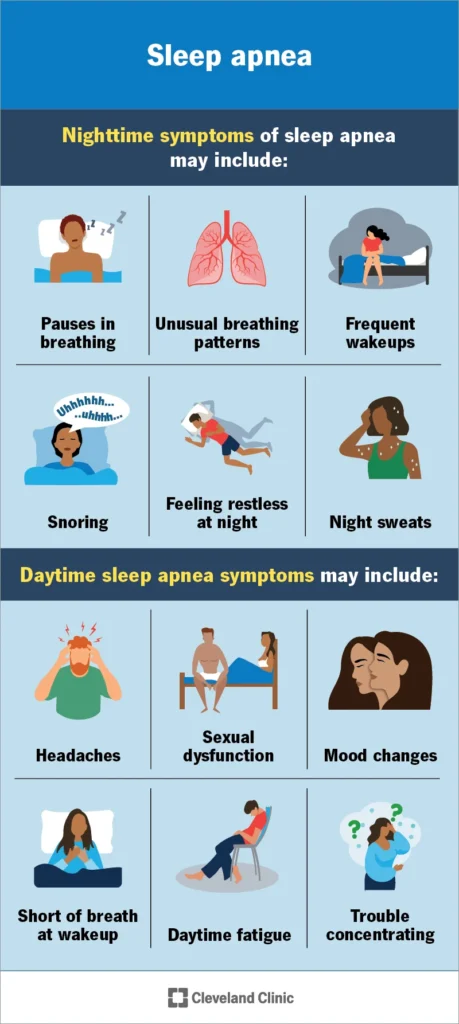
If snoring comes with choking, gasping, witnessed breathing pauses, or major daytime sleepiness, then treat it as a reason to get evaluated. Some headlines have also highlighted broader heart-health concerns tied to sleep habits. The safest move is getting real guidance rather than relying on trial-and-error alone.
You can still use comfort steps while you pursue help. Just don’t let a gadget delay a checkup when symptoms look serious.
How to talk about snoring without starting a fight
Snoring is funny in sitcoms. In real bedrooms, it can feel like rejection, disrespect, or a nightly power struggle. A better script helps.
- Use a shared goal: “I want us both to sleep better,” not “You keep me up.”
- Stick to observations: frequency, volume, and how you feel in the morning.
- Offer options: “Want to test a mouthpiece for two weeks and reassess?”
Make it a short experiment with a clear review date. That keeps it from turning into a permanent label.
Quick buying cues: what to prioritize in a mouthpiece
- Comfort first: the best device is the one you’ll keep in.
- Fit clarity: know whether it’s adjustable and how sizing works.
- Materials and care: easy cleaning supports consistent use.
- Return policy: your mouth may disagree with a “top-rated” pick.
FAQs
Can an anti snoring mouthpiece fix snoring permanently?
It can reduce snoring while you use it, but “permanent” depends on the underlying cause and lifestyle factors. Think of it as a tool, not a cure-all.
What if my snoring is worse when I’m stressed?
Stress can worsen sleep quality and increase light sleep, which may make snoring more noticeable. A consistent bedtime routine and a comfort-focused device trial can help you test what changes the pattern.
Is it normal to drool with a mouthpiece at first?
Yes, extra saliva can happen early on. Many people adjust after several nights.
CTA: make your next step simple
If you’re ready to stop guessing and start testing a realistic solution, begin with one clear question and one clear plan.
How do anti-snoring mouthpieces work?
Medical disclaimer: This article is for general education and is not medical advice. Snoring can have many causes. If you have choking/gasping, breathing pauses, severe daytime sleepiness, chest pain, or concerns about heart health, seek evaluation from a qualified clinician.