
- Snoring is a sleep-quality problem, not just a noise problem.
- An anti snoring mouthpiece can help when jaw position and airway narrowing are part of the issue.
- Comfort and fit decide whether you’ll actually use it.
- Positioning still matters: back-sleeping, alcohol, and congestion can overpower any gadget.
- Cleanup is simple, but consistency prevents odor and irritation.
Sleep is having a cultural moment. People are buying trackers, trying “sleep tourism,” and swapping burnout stories like weather updates. Meanwhile, snoring keeps doing what it does: breaking up sleep for the snorer and anyone within earshot. If you’ve ever negotiated pillow placement like a peace treaty, you’re not alone.
There’s also fresh buzz about new research and devices aimed at sleep disruption. If you like following the science, here’s a relevant read: New clinical trial will test innovative anti-snoring device to tackle sleep disruption.
Is snoring “normal,” or is it hurting my sleep quality?
Occasional snoring can happen to anyone. A cold, a late night, or a couple of drinks can be enough. The bigger issue is what comes with it: lighter sleep, more awakenings, dry mouth, morning headaches, or feeling wiped out even after “eight hours.”
Snoring also has a social cost. Partners lose sleep. Kids wake up. Roommates start “joking” about earplugs. Over time, that sleep debt can stack up and make stress and workplace burnout feel worse.
Quick self-check
- Do you wake up unrefreshed most days?
- Do you fall asleep easily during quiet moments?
- Has anyone noticed pauses, choking, or gasping?
- Is snoring worse on your back or after alcohol?
If you see red flags like breathing pauses or severe daytime sleepiness, don’t self-treat in silence. Ask a clinician about screening for sleep apnea.
What are people using right now to deal with snoring?
Sleep gadgets are everywhere. Some people start with apps, smart rings, or “anti-snore” pillows. Others try nasal strips, humidifiers, or allergy routines. And many end up looking at mouthpieces because they’re simple and travel-friendly.
That trend shows up in the steady stream of roundups and reviews of mandibular advancement devices (MADs). The takeaway is consistent: the best tool is the one you can tolerate nightly.
What does an anti snoring mouthpiece actually do?
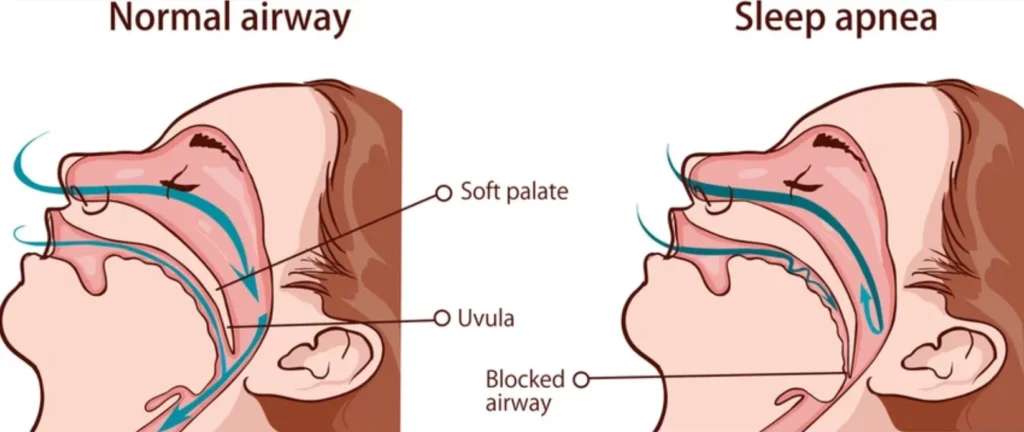
Most anti-snoring mouthpieces are designed to support airflow by changing positioning inside the mouth. A common style is a mandibular advancement device. It gently holds the lower jaw a bit forward, which can help keep the airway more open for some people.
Think of it like adjusting the “alignment” of your sleep posture, but from the inside. It’s not magic. It’s mechanics.
Who tends to benefit
- People whose snoring is worse when back-sleeping
- Those with mild-to-moderate snoring without major red flags
- Travelers who notice snoring spikes with fatigue or hotel pillows
Who should be cautious
- Anyone with jaw pain, significant TMJ issues, or loose dental work
- People with suspected sleep apnea symptoms (get evaluated)
- Those with ongoing gum disease or tooth instability
How do I choose a mouthpiece without wasting money?
Skip the hype and focus on fit, adjustability, and comfort. A mouthpiece that sits in a drawer helps no one.
Use this simple buying checklist
- Adjustability: Small changes can make a big comfort difference.
- Material feel: Too bulky can trigger gagging or drooling.
- Breathing comfort: If you’re congested often, mouth-breathing may increase.
- Cleaning routine: If it’s annoying to clean, you’ll skip it.
If you’re comparing options, start here: anti snoring mouthpiece.
What’s the “ICI” basics: fit, comfort, and follow-through?
Here’s the practical part people don’t talk about enough. Results depend on ICI: Initial fit, Comfort over time, and Implementation nightly.
Initial fit: start gentle
Many mouthpieces work best when you ease in. Use the least aggressive setting that still feels supportive. If you jump to “maximum forward,” you may quit by night three.
Comfort: reduce the usual deal-breakers
- Jaw soreness: Back off the setting and build up slowly.
- Drooling: Common early on. It often improves as you adapt.
- Dry mouth: Check room humidity and nasal congestion triggers.
Implementation: pair it with positioning
A mouthpiece can’t outwork habits that collapse your airway. If your snoring spikes on your back, try side-sleep supports. If alcohol worsens it, treat that like a known trigger. Travel fatigue matters too, especially after late flights and weird pillows.
How should I clean and store a mouthpiece?
Keep it simple and consistent. Rinse after use, brush gently with a soft toothbrush, and let it dry fully. Store it in a ventilated case so it doesn’t stay damp.
If you notice irritation, odor that won’t go away, or changes in how your bite feels, pause and reassess. A dental professional can help you troubleshoot fit and oral health issues.
Common questions (fast answers)
Will a mouthpiece fix snoring overnight?
Sometimes you’ll notice a difference quickly, but comfort and fine-tuning often take days to weeks.
Is snoring always a sign of sleep apnea?
No. But loud, frequent snoring plus choking/gasping or daytime sleepiness is a reason to get checked.
Can I use a mouthpiece with a cold?
Congestion can make any solution harder. Focus on breathing comfort and consider pausing if it feels unsafe or intolerable.
Medical disclaimer
This article is for general education and does not provide medical advice. Snoring can be a symptom of obstructive sleep apnea or other health conditions. If you have breathing pauses, choking/gasping, chest pain, severe daytime sleepiness, or concerns about heart health, seek evaluation from a qualified clinician.
Next step: If you want a simple, travel-friendly approach, start by learning the basics and choosing a comfortable fit.