
Is your snoring becoming a nightly argument?
Are you buying sleep gadgets hoping one of them finally works?
Are you wondering if an anti snoring mouthpiece is the “real” fix or just another trend?
Yes, snoring is having a moment. Product roundups, science-backed tip lists, and wearable sleep scores keep pushing “optimize your nights” into the spotlight. But your bedroom isn’t a lab. It’s where relationships, stress, travel fatigue, and burnout all show up at once.
This guide breaks down what people are talking about right now, what actually matters for sleep health, and how to try practical steps at home without turning bedtime into a performance review.
What people are trying right now (and why it’s relatable)
Sleep is trending like fitness did a few years ago. You’ll see lists of products that promise faster sleep, fewer wake-ups, and better mornings. Some people swear by white noise, cooling bedding, or new sleep trackers. Others chase the “perfect” routine after a week of travel, late-night emails, or a partner’s complaints.
Snoring sits right in the middle of those trends because it’s social. It affects the person who snores and the person lying next to them. That’s why snoring fixes often get wrapped in relationship humor—until everyone’s exhausted and nobody’s laughing.
The real reason snoring feels worse lately
When life gets louder, sleep gets lighter. Stress and irregular schedules can make you more sensitive to noise and more reactive at night. Add a few common factors—like alcohol close to bedtime, nasal congestion, or sleeping on your back—and snoring can spike.
What matters medically (without the panic)
Snoring is air vibrating through a narrowed airway. Sometimes it’s just annoying. Sometimes it’s a clue that breathing is being disrupted during sleep.
More health coverage has been connecting snoring to bigger conversations about sleep apnea and cardiovascular strain. If you want a starting point for that broader context, see this resource on These 28 sleep products help us fall asleep faster and wake up more rested.
Signs your snoring deserves more attention
- Gasping, choking, or witnessed pauses in breathing
- Morning headaches or dry mouth most days
- Daytime sleepiness that affects driving, work, or mood
- High blood pressure, or a strong family history of sleep apnea
- Snoring that ramps up with weight changes or gets steadily worse
If any of these fit, don’t just keep buying gadgets. Consider a medical conversation and possible sleep testing.
How to try at home (low-drama, high-impact)
You don’t need a 28-step bedtime routine. Start with a few moves that cover the most common drivers of snoring and poor sleep quality.
1) Make the bedroom a “no blame” zone
Snoring can feel personal, even when it isn’t. Try a script that reduces tension: “We’re both losing sleep. Let’s test one change for a week and see what happens.” That keeps the focus on teamwork.
2) Reduce the stuff that narrows the airway
- Side-sleeping support: A body pillow or positional aid can cut back snoring for back-sleepers.
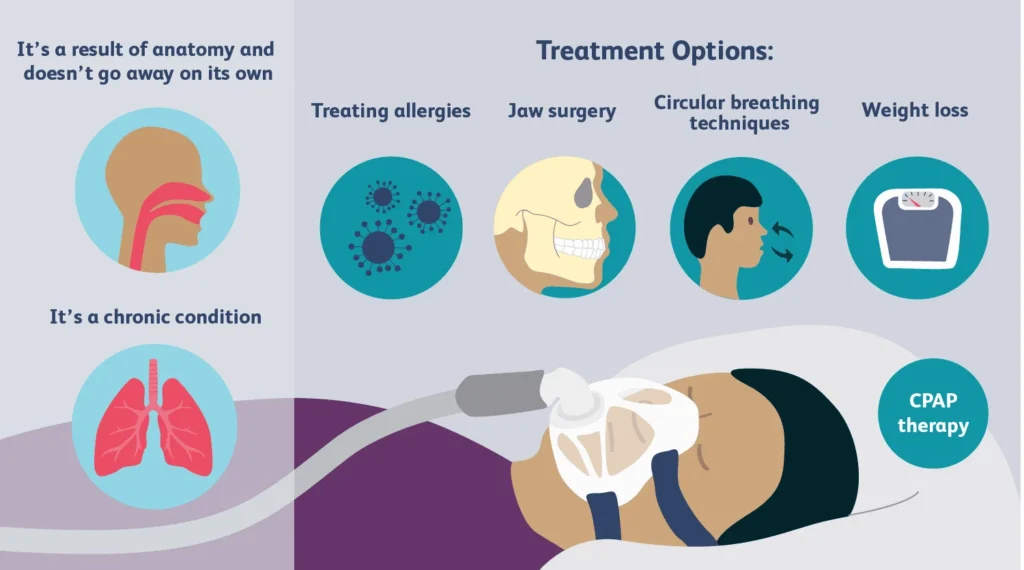
- Nasal breathing help: If you’re congested, consider simple steps like saline rinse or a humidifier. If symptoms persist, ask a clinician about allergies or chronic congestion.
- Alcohol timing: Many people snore more after drinking near bedtime. Pull it earlier when possible.
3) Where an anti-snoring mouthpiece can fit
An anti-snoring mouthpiece is designed to help keep the airway more open during sleep, often by positioning the jaw and tongue in a way that reduces vibration. It can be a practical option when snoring is frequent and positional changes aren’t enough.
If you’re comparing options, this anti snoring mouthpiece is one approach some shoppers look for when they want both jaw support and help keeping the mouth closed at night.
4) Track outcomes that matter (not just “scores”)
Wearables can be motivating, but they can also create anxiety. Use simple markers for two weeks:
- How many nights your partner notices loud snoring
- How rested you feel in the morning (1–10)
- Midday sleepiness or irritability
- Morning headaches or sore jaw
Those signals help you decide whether the plan is working or whether it’s time to escalate.
When to seek help (and what to ask for)
If snoring comes with choking, breathing pauses, or significant daytime fatigue, ask about sleep apnea evaluation. If you have jaw pain, dental issues, or bite changes with a device, talk to a dentist or clinician familiar with oral appliances.
Bring these questions to a visit
- “Do my symptoms suggest obstructive sleep apnea?”
- “Would a sleep test make sense for me?”
- “Am I a candidate for an oral appliance, and should it be custom-fitted?”
- “What lifestyle changes would move the needle most in my case?”
Medical disclaimer: This article is for general education and is not medical advice. It does not diagnose or treat any condition. If you have severe symptoms, breathing pauses, chest pain, or concerning daytime sleepiness, seek medical care promptly.
FAQ
Do anti-snoring mouthpieces work for everyone?
No. They tend to help best when snoring comes from airway narrowing that improves when the jaw is gently positioned forward. If snoring is driven by congestion, alcohol, or certain sleep positions, results vary.
Is loud snoring always sleep apnea?
Not always, but it can be a sign. If you have choking/gasping, witnessed breathing pauses, or heavy daytime sleepiness, it’s worth discussing sleep apnea screening with a clinician.
How long does it take to get used to a mouthpiece?
Many people need a few nights to a couple of weeks. Mild jaw or tooth soreness can happen early on. Persistent pain is a reason to stop and get guidance.
Can a mouthpiece replace CPAP?
For some people with diagnosed obstructive sleep apnea, a dentist-fitted oral appliance may be an option. CPAP remains a common first-line therapy for many cases, so decisions should be made with a sleep professional.
What else should I try alongside a mouthpiece?
Pair it with sleep basics: consistent schedule, side-sleeping support, limiting alcohol close to bedtime, and treating nasal congestion when appropriate.
CTA: One next step that won’t overwhelm you
If you’re ready to stop guessing and start testing a real option, begin with one change for 7–14 nights and measure the outcome. If you want to learn the basics before you buy anything, start here: