
- Snoring is a sleep-quality problem—not just a noise problem.
- Sleep gadgets are trending, but the best fix is often the least flashy.
- An anti snoring mouthpiece can help when jaw position is part of the issue.
- Relationships feel the impact: resentment builds fast when one person can’t recover.
- Safety matters: jaw pain, dental issues, and apnea red flags change the plan.
The big picture: why everyone is suddenly talking about sleep
Sleep has turned into a culture-wide project. People swap recommendations like they’re trading coffee orders. You’ve seen the lists of “must-have” sleep products, the expert-backed tips making the rounds, and the constant debate over what’s hype versus what’s helpful.
That surge makes sense. Travel fatigue is real, screens are everywhere, and workplace burnout doesn’t clock out at 5 p.m. When sleep gets fragile, snoring becomes louder—literally and emotionally.
Snoring’s real cost: fragmented sleep
Even when the snorer feels “fine,” the bed partner often gets the worst of it. Micro-awakenings add up. Less deep sleep means you wake up tired, shorter-tempered, and more caffeine-dependent.
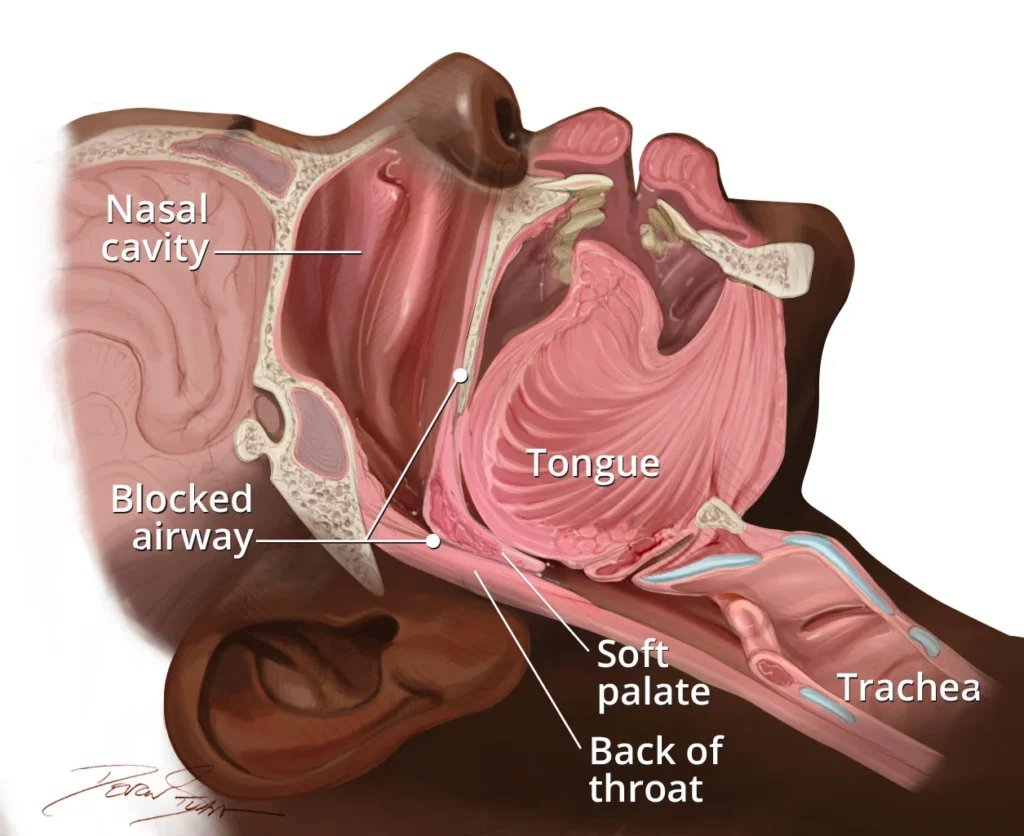
Snoring can also be a clue that breathing is being challenged during sleep. Sometimes it’s simple airflow turbulence. Other times it overlaps with sleep apnea. If you’re not sure which camp you’re in, treat that uncertainty seriously.
The emotional side: pressure, blame, and the 2 a.m. negotiation
Snoring turns bedrooms into negotiation rooms. One person wants rest. The other wants to not feel judged for something they can’t fully control. Add a few nights of poor sleep and suddenly it’s “You never listen” instead of “Can we try a new pillow?”
Humor helps, but only up to a point. If you’re rotating between the couch and the guest room, you’re already paying a relationship tax.
Make it a shared problem (not a character flaw)
Use language that keeps you on the same team. Talk about sleep quality and energy, not “your snoring.” Agree on a short trial window for changes. Then review results like adults, not rivals.
Practical steps: a simple, testable plan
Skip the all-or-nothing overhaul. Run a two-week experiment. Keep notes on snoring intensity (your partner’s rating is fine), morning dryness, and daytime sleepiness.
Step 1: Remove the common accelerants
- Side-sleeping support: A body pillow or positional strategy can reduce back-sleep snoring for many people.
- Alcohol timing: If you drink, keep it earlier. Late-night drinks can relax airway tissues and worsen snoring.
- Nasal comfort: Address congestion and dryness. Mouth breathing often amplifies snoring volume.
- Sleep schedule: Inconsistent bedtimes can make sleep lighter and more fragmented.
Step 2: Decide if an oral appliance fits your pattern
If your snoring is worse on your back, worse after alcohol, or paired with a “jaw slack” feeling, an oral appliance may be worth testing. A mandibular advancement style mouthpiece gently positions the lower jaw forward. That can reduce tissue collapse and improve airflow for some people.
It’s also a trend for a reason: it’s small, travel-friendly, and doesn’t require charging. In a world of sleep trackers and smart alarms, that simplicity is a feature.
To compare options, start here: anti snoring mouthpiece.
Step 3: Pair the mouthpiece with a “quiet bedroom” routine
Don’t make the mouthpiece do all the work. Combine it with basics that get repeated in expert roundups because they’re boring and effective: consistent wind-down time, cooler room temperature, and less late-night scrolling.
If you like gadgets, keep them supportive. A tracker can help you notice patterns. It can’t replace a fix that actually reduces snoring.
Safety and testing: how to use a mouthpiece without creating new problems
Comfort is not optional. If you power through pain, you may trade snoring for jaw soreness and headaches.
What “good fit” feels like
- Secure, but not crushing pressure
- No sharp edges rubbing gums or cheeks
- Jaw feels “supported,” not forced
- Morning bite returns to normal quickly
Red flags to take seriously
- Loud snoring with choking, gasping, or witnessed breathing pauses
- Severe daytime sleepiness or dozing off unintentionally
- New or worsening jaw pain, tooth pain, or gum irritation
- Frequent morning headaches
Some recent coverage also highlights how nighttime habits can affect long-term health. Keep that takeaway general: sleep is protective, and repeated poor sleep isn’t something to shrug off.
A quick reality check on “expert tips” and product lists
Roundups can be useful for ideas, but your body is the real test. If you want a snapshot of what’s being discussed in the mainstream right now, see: These 28 sleep products help us fall asleep faster and wake up more rested.
FAQ: quick answers before you buy anything
Will a mouthpiece help if my nose is blocked?
It may help some, but nasal blockage can still drive mouth breathing. Address congestion and dryness in parallel.
What if my partner says the snoring changed but didn’t disappear?
That can still be a win. Lower volume and fewer wake-ups often improve sleep quality even if some sound remains.
Is “more advanced” always better?
No. The best option is the one you can wear consistently and comfortably, while still addressing your snoring pattern.
CTA: make tonight a test night, not another argument
If snoring is turning sleep into a nightly conflict, pick one change you can measure. For many people, an anti snoring mouthpiece is a practical place to start because it’s simple and travel-ready.
How do anti-snoring mouthpieces work?
Medical disclaimer: This article is for general education and does not provide medical advice or a diagnosis. If you suspect sleep apnea or have significant daytime sleepiness, breathing pauses, chest pain, or ongoing jaw/dental pain, talk with a qualified clinician or dentist.