
Myth: Snoring is just an annoying sound, so the fix is simply “sleep harder.”
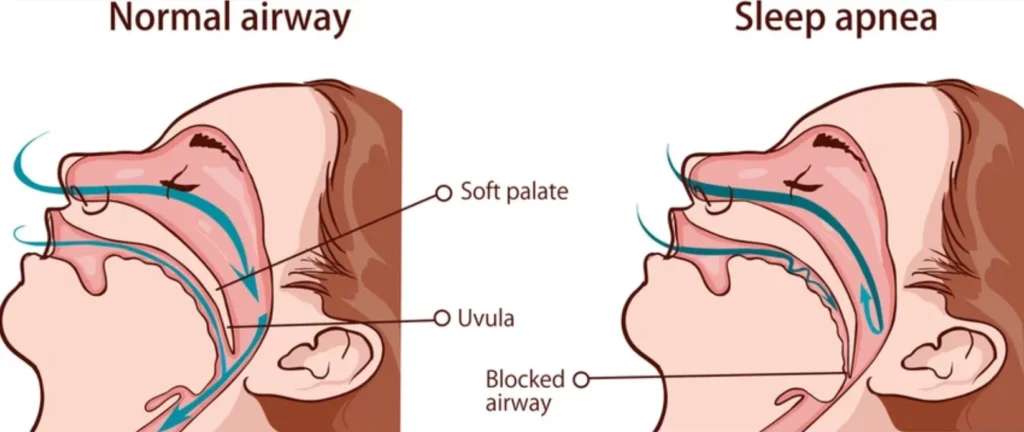
Reality: Snoring often tracks with fragmented sleep, next-day fog, and relationship tension. That’s why “sleep optimization” gadgets keep trending, from wearables to nasal strips to mouthpieces.
People are also talking more about airflow and performance lately—especially the role of nasal breathing and how it can affect sleep and recovery. If travel fatigue, workplace burnout, or a partner’s elbow at 2 a.m. is pushing you to act, an anti snoring mouthpiece can be a practical starting point.
Overview: where mouthpieces fit in today’s sleep talk
Snoring usually happens when airflow becomes turbulent as tissues relax during sleep. That turbulence can ramp up after alcohol, congestion, back-sleeping, or long stretches of stress and short sleep.
Anti-snoring mouthpieces are popular because they’re simple and non-invasive for many adults. Some designs gently guide the lower jaw forward, which can help keep the airway more open. Others focus on keeping the mouth positioned to reduce vibration.
Important note: snoring can also be linked with sleep apnea. If you suspect that, don’t self-manage only with gadgets. Use tools as support, not as a substitute for evaluation.
Timing: when to try a mouthpiece (and when not to)
Good times to test one
- After a “snore spike” week: travel, jet lag, allergies, or a stressful sprint at work.
- When sleep quality is slipping: more wake-ups, dry mouth, or partner complaints.
- When you want a low-lift experiment: one change at a time, track results, then adjust.
Pause and get medical guidance first
- Choking/gasping, witnessed breathing pauses, or intense daytime sleepiness.
- Uncontrolled jaw pain, jaw locking, or major dental issues.
- Concerns about sleep apnea (which has specific symptoms and risks).
For a general overview of symptoms and causes that may signal sleep apnea, see this resource: Could Your Nose Be Key to Better Performance?.
Supplies: what to have ready (so you don’t quit on night two)
- Your mouthpiece and its case.
- Mirror + good light for fit checks.
- Toothbrush and a gentle cleaner (follow the product instructions).
- Notebook or phone notes for a 7-night mini log: snoring reports, comfort, wake-ups.
- Optional comfort helpers: nasal rinse or strip if congestion is part of your pattern.
If you’re comparing styles, start here: anti snoring mouthpiece.
Step-by-step (ICI): Insert, Check, Improve
Use this ICI routine for the first week. It keeps you consistent without overthinking.
1) Insert
Put the mouthpiece in before you’re fully exhausted. When you’re half-asleep, you’ll rush the fit and hate it.
Seat it gently. Avoid biting down hard “to make it work.” That usually creates soreness and makes you abandon it.
2) Check
- Comfort check: You should feel secure, not strained.
- Jaw check: No sharp pain. Mild pressure is different from pain.
- Seal check: If you drool heavily or it pops loose, the fit may be off.
If you share a room, ask for one simple data point in the morning: “Was it quieter, the same, or worse?” Keep it light. Relationship humor helps, but consistent tracking helps more.
3) Improve
Make one small change at a time, then give it two nights before changing again.
- If you feel bulky: Re-seat it earlier in the evening and practice relaxed breathing.
- If dryness shows up: Review hydration and bedroom humidity, and check whether you’re mouth-breathing due to congestion.
- If you still snore: Pair the mouthpiece with position changes (side-sleeping support) and a consistent wind-down.
Mistakes that make people think “mouthpieces don’t work”
Chasing a perfect first night
Most sleep tools have an adjustment curve. Treat the first week like a trial, not a verdict.
Changing three variables at once
If you add a new pillow, a new supplement, a new mouthpiece, and a new bedtime, you won’t know what helped. Pick one main change and keep the rest steady.
Ignoring nasal comfort
Recent sleep-and-performance chatter has put a spotlight on breathing mechanics. If you’re congested, you may fight the mouthpiece all night. Addressing nasal comfort can make the whole setup feel easier.
Skipping cleanup and storage
Most people quit because the routine feels annoying. Rinse, clean as directed, dry, and store it. Keep it simple and consistent.
FAQ: quick answers people want before they buy
Do I need a sleep study before trying a mouthpiece?
Not always. But if you have classic red flags for sleep apnea, get evaluated. A mouthpiece can be supportive, not diagnostic.
Can a mouthpiece fix snoring caused by alcohol or exhaustion?
It may reduce it, but lifestyle triggers can still overpower any device. If snoring only happens after certain nights, start there too.
What’s the best way to measure progress?
Use a simple 7-night log: bedtime, alcohol, congestion, side vs. back sleeping, comfort score, and partner feedback.
CTA: make your next week quieter (and more predictable)
If you want a practical tool that fits the current “sleep health” moment—without turning your bedroom into a tech lab—start with a mouthpiece plan you can actually follow.
How do anti-snoring mouthpieces work?
Medical disclaimer: This article is for general education and does not provide medical advice. Snoring can be a symptom of sleep apnea or other health conditions. If you have breathing pauses, gasping, chest pain, severe daytime sleepiness, or persistent jaw/tooth pain, seek care from a qualified clinician.