
On the third night of a work trip, Alex did the thing everyone jokes about but nobody enjoys. He fell asleep fast, snored louder, and woke up to a text that simply read, “You okay?” The hotel bed felt fine. The wearable sleep tracker looked impressive. Yet the morning still came with brain fog.
That mix of sleep gadgets, travel fatigue, and “are we getting older?” humor is everywhere right now. And it’s why so many people are searching for an anti snoring mouthpiece—not for a miracle, but for a quieter night and better sleep quality.
Overview: why snoring is suddenly everyone’s sleep metric
Snoring isn’t just a relationship punchline anymore. It’s become a signal people track alongside steps and screen time. When your partner records the audio, or your app flags “disrupted sleep,” it’s hard to ignore.
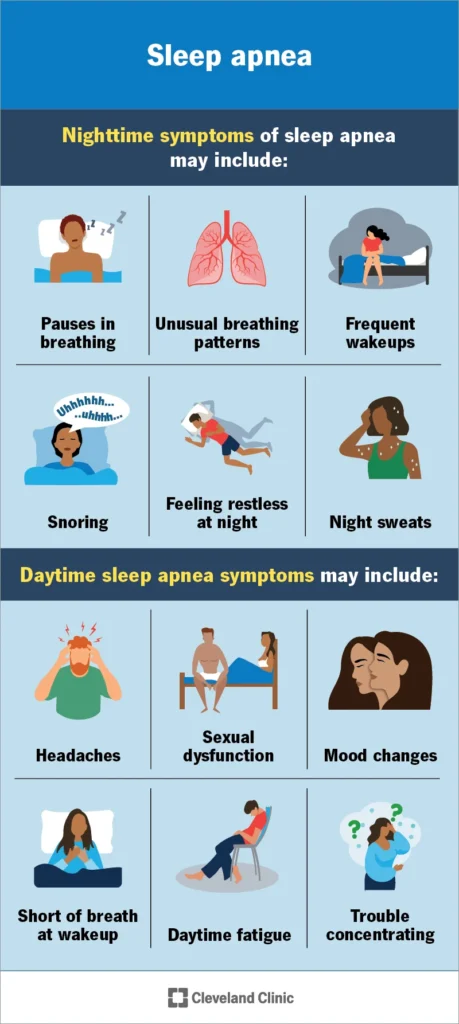
Snoring can come from vibration in the soft tissues of the throat as air moves through a narrowed airway. Sometimes it’s tied to sleep position, congestion, alcohol, or exhaustion. In other cases, snoring can overlap with sleep-disordered breathing, which is why red flags matter.
For broader context on when symptoms can point beyond simple snoring, see Mayo Clinic’s overview here: How to improve sleep habits in children: Doctor shares tips, says sleep is as important as nutrition and immunization for kids.
Timing: when a mouthpiece is worth trying (and when it’s not)
Try a mouthpiece when snoring is frequent, bothersome, and seems linked to jaw/tongue position—especially if you snore more on your back. It can also be a practical experiment if you’re burned out and short on time, and you want a low-lift tool to test while you clean up your sleep routine.
Pause and get checked if any of these show up
- Breathing pauses observed by a partner
- Gasping or choking during sleep
- Severe daytime sleepiness or dozing off unintentionally
- Morning headaches, high blood pressure concerns, or persistent insomnia
Those don’t confirm a diagnosis, but they do raise the stakes. In that scenario, a clinician should guide next steps.
Supplies: what to gather before you start
- Your chosen anti-snoring mouthpiece (and case)
- A mirror and good lighting for fitting
- Toothbrush and mild soap (or cleaner as directed by the product)
- A small towel for drying
- Optional: a chin strap if you tend to mouth-breathe
If you want a combined option, here’s a relevant product-style example to compare: anti snoring mouthpiece.
Step-by-step (ICI): Insert → Check → Improve
Think of this as an ICI loop. You insert the device, check how it feels and performs, then improve the fit and habits that affect results.
1) Insert: start calm, not rushed
Fit the mouthpiece when you’re not half-asleep. If it’s a boil-and-bite style, follow the included directions exactly. Don’t “wing it” with water temperature or timing.
Before bed, brush your teeth and rinse the device. Seat it gently. You want it secure, not clamped.
2) Check: comfort, seal, and morning after
- Comfort: Mild pressure can be normal. Sharp pain isn’t.
- Jaw feel: Notice any clicking, locking, or worsening soreness.
- Dry mouth: This can hint at mouth-breathing or poor seal.
- Feedback: Ask your partner for a simple rating: “better, same, worse.”
Also check your daytime energy. Snoring volume is one metric. Sleep quality is the bigger win.
3) Improve: small adjustments that matter
Positioning: Many people snore more on their back. Side-sleeping supports airflow for some sleepers and can make a mouthpiece feel more effective.
Wind-down: The trends are right on this one: consistent sleep timing and a lighter pre-bed routine often beat a new gadget alone. Cut the “scroll spiral,” dim lights, and give yourself a buffer.
Cleanup: Rinse after use and clean as directed. Let it dry fully before storing. Funky buildup can ruin comfort fast.
Mistakes that sabotage results (even with a good device)
Over-tightening and powering through pain
If you treat a mouthpiece like a weightlifting mouthguard, you’ll hate it. Fit should feel stable, not aggressive. Persistent pain is a stop sign.
Expecting instant perfection
First-night results vary. Some people notice less noise quickly. Others need a short adjustment period for saliva, jaw comfort, and sleep position.
Ignoring the “why” behind the snore
Congestion, alcohol close to bedtime, and travel exhaustion can all ramp up snoring. If you only change the device and nothing else, you may get partial results.
Using adult solutions for kids
Sleep is a big health pillar for children, right up there with nutrition in many public health conversations. If a child snores regularly, it’s worth discussing with a pediatric clinician rather than improvising with adult devices.
FAQ: quick answers people want before they buy
Is an anti-snoring mouthpiece the same as treating sleep apnea?
No. Snoring and sleep apnea can overlap, but they aren’t identical. If you suspect apnea, get medical guidance.
What if I drool a lot the first week?
Extra saliva is common early on. It often improves as you adapt. If it stays severe, reassess fit and comfort.
Can I use it if I have dental work or jaw issues?
It depends. If you have TMJ symptoms, loose teeth, or significant dental work, it’s smart to ask a dentist or clinician before using a device.
CTA: pick a simple next step tonight
If snoring is cutting into your sleep quality, don’t overcomplicate it. Choose one tool and one habit change, then reassess after a week.
How do anti-snoring mouthpieces work?
Medical disclaimer: This article is for general education only and isn’t medical advice. It doesn’t diagnose, treat, or replace care from a qualified clinician. If you have choking/gasping, breathing pauses, significant daytime sleepiness, or other concerning symptoms, seek medical evaluation.