
- Snoring isn’t just “noise.” It often means your sleep is getting fragmented.
- Trend alert: sleep gadgets are everywhere, but the basics still win—airway, comfort, consistency.
- An anti snoring mouthpiece can be a practical tool when snoring is position- or airway-related.
- Fit matters more than hype. The wrong fit can mean drool, sore teeth, or quitting after three nights.
- Know the red flags. Loud snoring plus choking/gasping or big daytime fatigue needs medical attention.
Why is everyone suddenly talking about snoring and sleep quality?
Sleep has become a full-on culture topic. People compare sleep scores like step counts. New sleep wearables and “smart” bedside gear keep showing up in feeds. Meanwhile, travel fatigue is back in the mix, and burnout talk hasn’t slowed down.
In real life, snoring is also relationship content. It’s the classic “one person sleeps, the other negotiates with pillows” situation. Under the jokes, though, many people are asking a serious question: “Why am I still tired?”
If your sleep quality is poor, your mood, focus, and patience take the hit first. That’s why snoring isn’t a small issue when it keeps repeating night after night.
Is snoring just annoying, or can it signal something bigger?
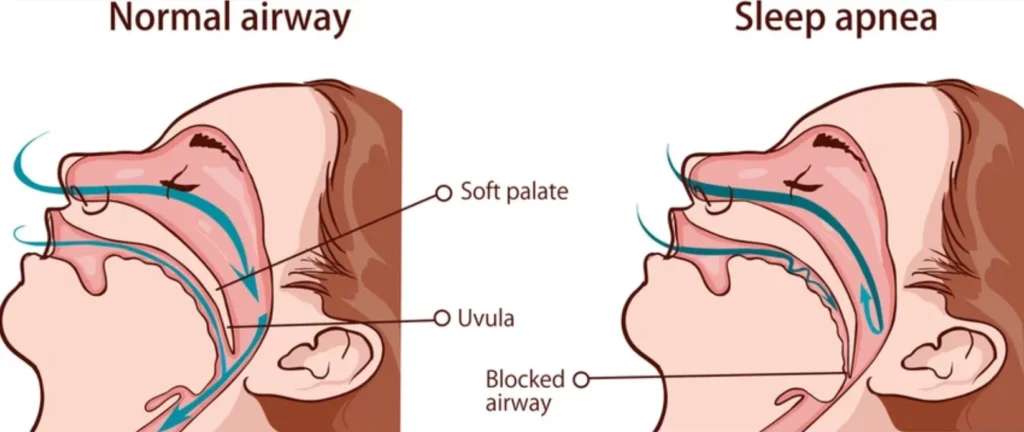
Snoring can be harmless. It can also be a clue that your airway is partially blocked during sleep. That matters because disrupted breathing and disrupted sleep can ripple into daytime health.
Some recent health coverage has emphasized that sleep apnea is more than a nuisance and can relate to broader health risks, including heart-related concerns. If you want a general explainer from the news, see Best Anti-Snoring Mouthpieces and Mouthguards of 2026.
Red flags to take seriously: loud snoring with witnessed breathing pauses, choking/gasping, morning headaches, or heavy daytime sleepiness. Those are reasons to talk with a clinician and ask about sleep apnea screening.
What actually causes the snoring sound?
Snoring is vibration. As you sleep, soft tissues in the throat and mouth relax. When air has to squeeze through a narrower space, tissues can flutter and create sound.
A few common drivers include sleep position (especially back sleeping), nasal congestion, alcohol near bedtime, and anatomy that makes the airway easier to crowd. Weight changes can also shift the picture for some people.
What is an anti snoring mouthpiece supposed to do?
Most anti-snoring mouthpieces aim to keep the airway more open by changing what your jaw or tongue does during sleep. Think of it like making a little more “lane space” for airflow so tissues vibrate less.
Two common styles get discussed:
- Mandibular advancement devices (MADs): gently bring the lower jaw forward.
- Tongue-retaining devices (TRDs): help keep the tongue from falling back.
People often look for mouthpiece roundups and “best of” lists because the category is crowded. That’s understandable. Still, your best choice is usually the one you’ll actually wear all night.
How do I choose a mouthpiece without getting lost in gadget hype?
Skip the flashy promises and focus on four decision points: comfort, adjustability, fit approach, and materials/maintenance. If a device feels bulky or sharp, you won’t stick with it—no matter how good the reviews are.
1) Comfort: what you’ll notice by night three
Early discomfort is common, but it should be mild and improving. Watch for persistent tooth pain, jaw pain, or headaches. Those are “stop and reassess” signals.
If you’re already dealing with workplace burnout, you don’t need a new nightly struggle. Comfort is not a luxury feature. It’s the whole game.
2) Adjustability: tiny changes can make a big difference
Many MAD-style devices allow small step-by-step jaw advancement. That’s useful because too little change may not help snoring, and too much can irritate your jaw.
A slow, patient approach usually beats aggressive “max it out” thinking.
3) Fit approach: boil-and-bite vs. custom
Some mouthpieces use a mold-at-home method. Others are made to your teeth from an impression or scan. In general, better fit tends to mean better comfort and better follow-through.
If you’re comparing options, start here: anti snoring mouthpiece.
4) Cleanup: the unglamorous habit that protects your investment
Quick routine, fewer problems: rinse, gently brush with mild soap, and air-dry. Avoid hot water that can warp some materials. Also, store it dry so it doesn’t pick up odors.
If you travel a lot, pack a ventilated case. Travel fatigue is real, and “I forgot to clean it” is how devices end up abandoned in luggage pockets.
What else improves sleep quality while you test a mouthpiece?
Mouthpieces work best when you also reduce the stuff that crowds the airway or fragments sleep. Keep it simple and repeatable.
- Side-sleeping support: a body pillow or positional cue can reduce back-sleep snoring for some people.
- Nasal breathing help: address congestion with clinician-approved options if allergies or colds are a factor.
- Alcohol timing: moving drinks earlier can reduce throat relaxation close to bedtime.
- Wind-down consistency: even 20–30 minutes of predictable pre-sleep routine can help sleep depth.
These aren’t “biohacks.” They’re the boring supports that make tools more effective.
How do I know if it’s working (beyond “my partner stopped complaining”)?
Relationship peace is a valid metric, but track a few personal signals too. Look for fewer wake-ups, less dry mouth, and better morning energy. If you use a sleep tracker, treat the numbers as hints, not a diagnosis.
Try a two-week test window. Aim for consistency, then adjust one variable at a time (fit setting, sleep position, alcohol timing). That keeps you from guessing.
When should I skip DIY and get evaluated?
If you suspect sleep apnea, don’t rely on a gadget alone. Get checked if you have loud snoring plus choking/gasping, witnessed breathing pauses, significant daytime sleepiness, or high blood pressure concerns.
A clinician can help you sort out what’s going on and what tools are appropriate for your situation.
FAQ: quick answers people ask before buying
Is drooling normal at first?
Yes, extra saliva can happen in the adjustment phase. It often settles as your mouth adapts.
Will it hurt my jaw?
Mild tightness can happen early. Ongoing pain isn’t normal—stop and consult a dentist/clinician.
Can I use it with a retainer?
Sometimes, but it depends on your dental setup. Ask your dentist to avoid tooth movement or fit conflicts.
Does it cure snoring?
It may reduce or control snoring while you use it. Snoring can have multiple causes, so results vary.
Ready to learn the mechanism before you buy?
If you want a plain-language walkthrough of what these devices do and why fit matters, start here.
How do anti-snoring mouthpieces work?
Medical disclaimer: This article is for general education and does not provide medical advice or a diagnosis. If you have symptoms of sleep apnea (such as choking/gasping, witnessed breathing pauses, or severe daytime sleepiness), talk with a qualified clinician.