
Before you try another sleep gadget, run this checklist.
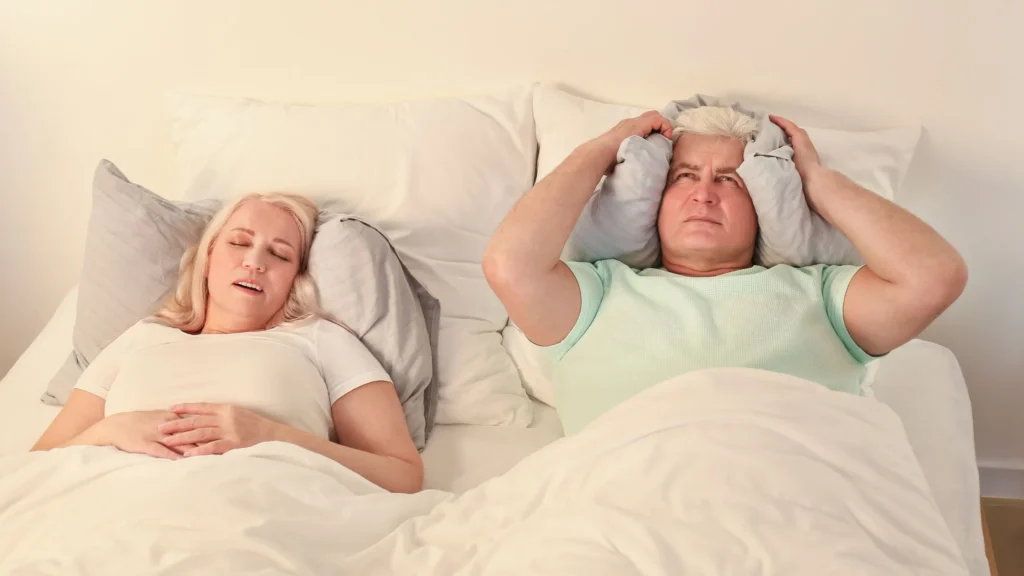
- Confirm the problem: Are you snoring, waking up tired, or both?
- Spot the pattern: Worse on your back, after alcohol, during travel, or when congested?
- Screen for red flags: Choking/gasping, witnessed breathing pauses, morning headaches, high blood pressure, or severe daytime sleepiness.
- Protect your mouth: Any jaw clicking, TMJ pain, loose dental work, or gum issues?
- Document the choice: Note your baseline (snore intensity, awakenings, energy) for 7 nights so you can tell if a change helps.
People are talking about sleep like it’s a performance metric right now—wearables, smart rings, “sleep score” debates, and the classic relationship joke: “I love you, but your snoring is a jump-scare.” Add travel fatigue and workplace burnout, and it’s no surprise many folks feel drained even after a full night in bed.
Use this decision guide: if…then…
If you’re tired after 8 hours, then stop assuming it’s “just stress”
Eight hours on the clock doesn’t guarantee eight hours of restorative sleep. Fragmented sleep can come from snoring, breathing resistance, reflux, pain, anxiety, or a schedule that fights your body clock.
If your partner reports snoring or you wake up unrefreshed, treat it like a data problem. Track a week. Compare workdays vs weekends, travel days, and nights after late meals or drinks.
For a general overview of the “still tired after 8 hours” conversation, see We Asked a Doctor What to Do If You’re Still Tired After 8 Hours of Sleep.
If snoring is loud or frequent, then treat it as a health signal—not a punchline
Snoring can be harmless. It can also show that your airway is narrowing during sleep. In some people, that pattern overlaps with sleep apnea, which is linked with broader health risks.
If you notice choking/gasping, witnessed pauses in breathing, or extreme daytime sleepiness, prioritize medical screening. An anti snoring mouthpiece may help some cases, but it should not delay evaluation when red flags are present.
If your snoring gets worse with travel or burnout, then fix the “inputs” first
Airplane cabins, dry hotel rooms, and time-zone shifts can irritate your nose and disrupt sleep stages. Burnout can also push later bedtimes and lighter sleep. Those conditions often make snoring louder and mornings rougher.
Try tightening the basics for a week: consistent sleep window, less alcohol near bedtime, and earlier meals. If snoring persists, move to targeted tools.
If your nose feels blocked at night, then don’t ignore nasal breathing
Nasal congestion can increase mouth breathing, which may worsen snoring. Many athletes and outdoor-focused communities are also paying attention to nasal airflow as part of performance and recovery.
If congestion is seasonal or environmental, address the trigger (like dryness or allergens). If blockage is persistent, consider discussing it with a clinician.
If your snoring is position-driven, then start with the simplest lever
If you mostly snore on your back, positional changes can be a high-impact first step. Some people use pillows or wearable prompts to stay on their side.
If that helps but doesn’t solve it, a mouthpiece may still be useful—especially if jaw position seems to play a role.
If you want a tool you can test quickly, then consider an anti snoring mouthpiece
An anti snoring mouthpiece typically aims to reduce snoring by supporting jaw or tongue position to keep the airway more open. Fit and comfort matter. So does consistency.
Safety and screening first: If you have TMJ pain, significant dental work, loose teeth, or gum disease, get guidance before using an oral device. Discomfort that escalates is a reason to stop and reassess.
When you test any device, reduce risk and confusion:
- Change one variable at a time. Don’t add three new gadgets in one night.
- Set a short trial window. Aim for 10–14 nights unless pain occurs.
- Track outcomes. Snoring reports, awakenings, dry mouth, jaw soreness, and daytime energy.
- Keep it clean. Follow manufacturer cleaning directions to lower irritation and infection risk.
If you’re comparing options, this anti snoring mouthpiece is one example people consider when they want both oral support and help keeping the mouth closed.
If your partner is losing sleep, then make the plan “relationship-proof”
Snoring turns into resentment fast. Keep the conversation practical: pick a two-week experiment, agree on what “better” means, and review the results together.
Humor helps, but results matter more. A simple note like “3 wake-ups vs 1” beats arguing about who is “overreacting.”
Quick FAQ: the fast answers people want
Does an anti snoring mouthpiece work right away?
Some people notice improvement quickly. Others need an adjustment period. If pain builds or your bite feels off during the day, stop and reassess.
What if I snore but don’t feel tired?
You can still disrupt your partner’s sleep, and snoring can still signal airway narrowing. If snoring is loud or escalating, consider screening for sleep apnea risk factors.
Can I use a mouthpiece if I clench or grind?
It depends. Grinding can complicate fit and comfort. A dental professional can help you choose an appropriate approach.
Is a chinstrap alone enough?
Sometimes it helps if mouth opening is a major contributor. In other cases, airway position is the bigger issue. Tracking your pattern is key.
Call to action: make one choice, then measure it
If you’re stuck in the loop of buying sleep tech and still waking up foggy, switch to a decision approach. Screen for red flags, pick one intervention, and document the outcome for two weeks.
How do anti-snoring mouthpieces work?
Medical disclaimer
This article is for general education and does not provide medical advice, diagnosis, or treatment. Snoring with choking/gasping, witnessed breathing pauses, chest pain, or severe daytime sleepiness should be evaluated by a qualified clinician.