
- Snoring is a sleep-quality problem, not just a “funny” bedtime soundtrack.
- Sleep gadgets are trending, but basics still beat most hacks.
- An anti snoring mouthpiece may help when snoring is tied to jaw/tongue position.
- Screen for red flags (possible sleep apnea) before you DIY your way into risk.
- Document what you try so you can tell what worked, what didn’t, and what caused side effects.
Big picture: why snoring is suddenly everyone’s topic
Snoring sits at the intersection of wellness culture and real-life exhaustion. People are buying sleep trackers, testing “smart” alarms, and swapping bedtime routines the way they used to swap workout splits. Add travel fatigue, late-night scrolling, and workplace burnout, and you get a lot of tired people looking for a fast fix.
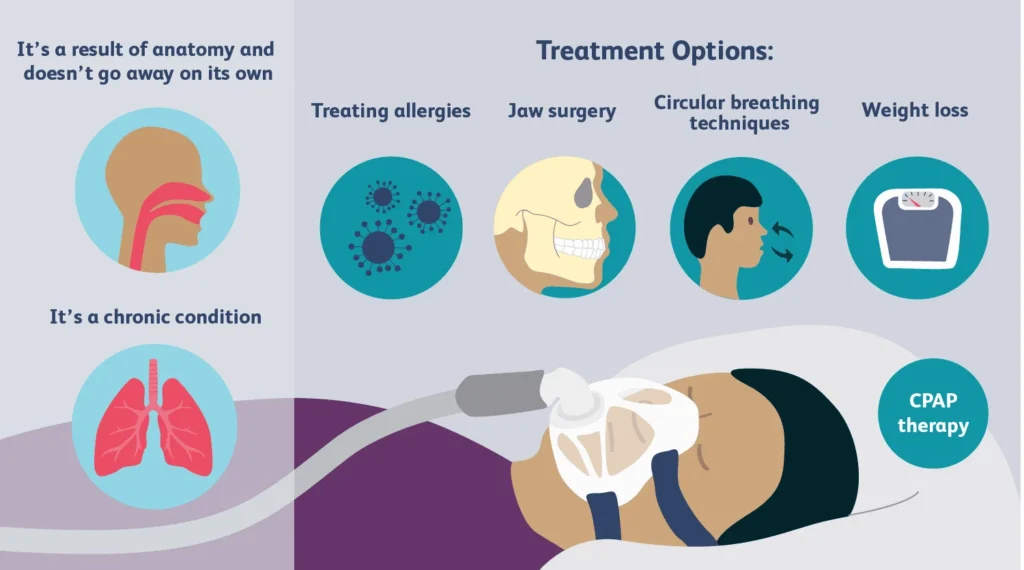
There’s also a bigger conversation happening about sleep as a foundation for health, not a luxury. That includes children’s sleep habits too. If you want a broad, culture-level take on that idea, see this reference: How to improve sleep habits in children: Doctor shares tips, says sleep is as important as nutrition and immunization for kids.
Emotional side: snoring is a relationship issue (and a confidence issue)
Snoring jokes land because they’re relatable. The reality is less funny at 2:17 a.m. when one person is awake, the other is rattling the room, and both have work in the morning.
Over time, the “sleep divorce” trend (separate rooms, separate schedules) becomes a coping strategy. Some couples love it. Others feel weird about it. Either way, snoring can quietly create resentment, especially when both people are already stretched thin.
Practical steps: what to try before (and alongside) a mouthpiece
Think of snoring as a signal. Sometimes it’s just anatomy and positioning. Other times it’s lifestyle, congestion, or a bigger sleep-breathing issue. Start with the low-risk moves that help sleep quality overall.
Step 1: tighten the “sleep window”
Pick a consistent wake time and guard it. A stable schedule often does more than another gadget on the nightstand. It also makes your results easier to interpret when you test changes.
Step 2: reduce the common snore amplifiers
Many people notice louder snoring with alcohol close to bedtime, heavy late meals, or significant sleep deprivation. Nasal stuffiness can matter too. You don’t need perfection. You need a repeatable baseline.
Step 3: try positional tweaks
Back sleeping can worsen snoring for some people. Side-sleeping supports or pillow changes may help. Keep it simple and track whether it changes the volume and frequency.
Where an anti snoring mouthpiece fits (and what it’s actually doing)
Oral appliances are popular because they’re mechanical, portable, and relatively straightforward. In plain terms, many mouthpieces aim to improve airflow by adjusting jaw or tongue position during sleep.
If your snoring is mostly positional or related to how your jaw relaxes at night, a mouthpiece may be worth testing. If your snoring comes with repeated breathing pauses, gasping, or heavy daytime sleepiness, you should prioritize medical screening instead of guessing.
What to look for in a mouthpiece plan
- Fit and comfort: a device you can’t tolerate won’t be used consistently.
- Materials and cleaning routine: treat it like a personal oral device, because it is.
- Trial mindset: set a test period and track outcomes, not vibes.
If you’re comparing options and want a combined approach, you can review this: anti snoring mouthpiece.
Safety and screening: reduce risk and make smarter decisions
This is the part most people skip. It’s also the part that protects you.
Red flags to take seriously
- Choking, gasping, or witnessed breathing pauses during sleep
- Morning headaches, dry mouth, or unrefreshing sleep that persists
- Significant daytime sleepiness or dozing off unintentionally
- High blood pressure or other cardiometabolic concerns (discuss with a clinician)
These can be associated with sleep apnea. A mouthpiece might still be part of a plan, but you shouldn’t self-diagnose. Get evaluated.
Simple “testing” that keeps you honest
- Baseline week: track snoring and energy for 5–7 nights before changing anything.
- One change at a time: mouthpiece OR new pillow OR alcohol timing, not all at once.
- Log side effects: jaw soreness, tooth discomfort, gum irritation, or bite changes.
- Partner notes: a quick 1–5 rating can be more useful than an app graph.
Hygiene and infection-risk basics
- Don’t share oral devices.
- Clean and dry the device as directed by the manufacturer.
- Replace it if it’s damaged, warped, or develops persistent odor or residue.
Document your choice (yes, really)
If you’re trying to protect your health and your wallet, write down what you bought, when you started, and what changed. This also helps if you end up talking with a dentist or sleep clinician later. It turns “I tried a thing” into usable information.
FAQ
Do anti-snoring mouthpieces work for everyone?
No. They can help some people who snore from jaw or tongue position, but they won’t fix every cause of snoring.
What’s the difference between snoring and sleep apnea?
Snoring is a sound from airflow resistance. Sleep apnea involves repeated breathing pauses and needs medical screening if suspected.
How long does it take to get used to a mouthpiece?
Many people need several nights to a few weeks. Mild jaw or tooth soreness can happen early on.
Is it safe to share a mouthguard-style device?
No. Oral devices are personal-use items. Sharing increases hygiene risks and can affect fit and comfort.
Can kids use anti-snoring mouthpieces?
Children’s snoring should be evaluated by a pediatric clinician. Don’t use adult oral appliances for kids unless a professional recommends it.
What should I track to know if it’s helping?
Track snoring volume (partner feedback or app), morning energy, nighttime awakenings, and any jaw/tooth discomfort.
CTA: make the next step simple
You don’t need a drawer full of sleep gadgets. Pick one approach, test it, and keep notes. If an oral device is your next experiment, start with comfort, hygiene, and a clear screening checklist.
How do anti-snoring mouthpieces work?
Medical disclaimer: This article is for general education only and is not medical advice. Snoring can have multiple causes, including conditions that require professional evaluation. If you suspect sleep apnea or have persistent symptoms, seek guidance from a qualified clinician.