
Is your snoring getting louder—or just more noticeable lately?
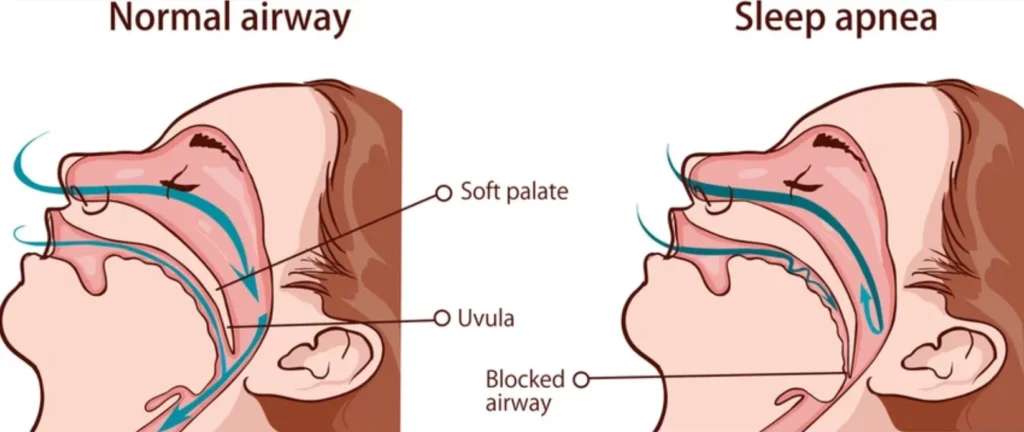
Are sleep gadgets everywhere, but your sleep quality still feels off?
Should you try an anti snoring mouthpiece, or is it time to talk to a dentist?
Yes, snoring is having a moment. Between sleep trackers, “recovery scores,” and travel fatigue that turns one bad night into a week of grogginess, people are paying attention. Add in workplace burnout and the classic relationship joke—“I didn’t know I married a chainsaw”—and suddenly snoring isn’t a minor quirk. It’s a sleep health problem.
Here’s the grounded take: snoring can be harmless, but it can also signal airway narrowing that disrupts sleep. And when sleep quality drops, everything feels harder the next day.
Start here: the no-drama decision guide
Use these “if…then…” branches to decide what to do next. Keep it simple. You’re aiming for quieter nights and better rest, not a perfect biohacking setup.
If your partner complains but you feel “fine,” then do a quick reality check
If you wake with a dry mouth, morning headaches, or you’re dragging by mid-afternoon, your sleep may be getting fragmented. Snoring can be the noise you hear, while the real issue is the sleep you don’t get.
If you have a wearable, treat the data as a clue—not a diagnosis. A sudden change after travel, late dinners, or alcohol is common and usually fixable.
If snoring got worse after travel or a stressful stretch, then try the easy levers first
Travel fatigue and burnout love to stack the deck against good sleep. Late flights, hotel air, and inconsistent bedtimes can all make snoring louder.
- If you’re congested, then address nasal comfort (humidification, gentle rinses, or other non-prescription supports you already tolerate).
- If you’re sleeping on your back, then try side-sleeping. For many people, position changes the sound dramatically.
- If alcohol is in the mix, then pull it earlier. Many people notice snoring spikes when drinks land close to bedtime.
If you want a device that targets the mechanics of snoring, then consider a mouthpiece
An anti snoring mouthpiece usually works by adjusting jaw or tongue position to reduce airway vibration. That can mean less noise and fewer micro-wake-ups for you and your partner.
People are comparing devices more than ever, and mainstream coverage has been leaning into “what sleep doctors recommend” and product roundups. That’s useful as a starting point, but your best pick depends on your mouth, your comfort, and your snoring pattern.
If you’re researching, start with anti snoring mouthpiece to see common styles and what they’re designed to do.
If you have jaw pain, dental work, or bite concerns, then don’t guess—get guidance
Mouthpieces can irritate the jaw joint, shift bite comfort, or clash with certain dental situations. If you already deal with TMJ symptoms, frequent dental sensitivity, or extensive dental restorations, get professional input before you commit.
It’s also worth knowing that dentists increasingly talk publicly about how they evaluate snoring and coordinate care when sleep apnea is a concern. If you want the broader clinical context, search-style reading like In HelloNation, Dental Expert Dr. Eric Runyon of Belton, MO Discusses How Dentists Treat Snoring & Sleep Apnea can help you understand how oral appliances fit into the bigger picture.
If any “red flags” show up, then prioritize a medical check
Snoring plus certain symptoms can point to obstructive sleep apnea or another sleep-breathing issue. Don’t self-manage those risks.
- Breathing pauses witnessed by a partner
- Gasping or choking at night
- Severe daytime sleepiness
- High blood pressure or heart risks alongside loud snoring
If these apply, talk to a clinician. They may suggest a sleep evaluation and then discuss options that can include CPAP, oral appliances, or other therapies.
What people are talking about right now (and what matters)
Sleep tech is loud; sleep fundamentals are quieter
Sleep products and “expert-backed tips” keep trending, and some are genuinely helpful. Still, the basics often carry the most weight: consistent timing, a darker room, less late-night scrolling, and fewer bedtime curveballs.
Relationship peace counts as a health win
Snoring isn’t just a you problem. It can split bedrooms, spark resentment, and turn mornings into negotiations. A practical solution—like a mouthpiece that’s tolerable—can be a quality-of-life upgrade for two people at once.
Burnout makes everything feel worse
When you’re stressed, you may sleep lighter and wake more easily. That makes snoring feel louder, even if the snoring didn’t change much. Improving sleep quality can create a positive loop: better rest, better resilience, less sensitivity to disruptions.
FAQ: quick answers before you buy anything
Is a mouthpiece the first thing I should try?
Not always. If your snoring is clearly tied to back-sleeping, alcohol near bedtime, or congestion, start there. If those don’t move the needle, a mouthpiece can be a logical next step.
How fast should I expect results?
Some people notice less noise on night one. Comfort and fit can take several nights to dial in. If pain builds or your bite feels “off” during the day, stop and get advice.
Can I use a mouthpiece if I grind my teeth?
Maybe. Bruxism can affect comfort and durability. If you suspect grinding, a dentist can help you choose an approach that doesn’t create new problems.
Next step: choose a simple plan for tonight
If you want a low-friction starting point, review mouthpiece types and decide whether a trial makes sense for your situation. If your symptoms sound more serious, skip the experimenting and get evaluated.
How do anti-snoring mouthpieces work?
Medical disclaimer: This article is for general education only and is not medical advice. Snoring can have many causes, including conditions that require professional evaluation. If you have choking/gasping at night, witnessed breathing pauses, or significant daytime sleepiness, talk with a qualified clinician.