
Snoring has become a group project. Your partner hears it, your smartwatch flags “poor recovery,” and your coworkers can spot your burnout from across the Zoom grid.
Meanwhile, travel fatigue and late-night scrolling keep turning “just one more episode” into a weekly habit.
Right now, people want simple fixes that protect sleep quality—without turning the bedroom into a gadget lab.
Why is everyone suddenly talking about snoring again?
Sleep is having a cultural moment. Wearables and sleep trackers make rough nights feel measurable, which makes them harder to ignore. Add in workplace stress, irregular schedules, and constant travel, and snoring becomes the loudest symptom of a bigger sleep problem.
There’s also the relationship factor. Snoring jokes are everywhere, but the impact is real: one person snores, two people sleep badly. That’s why “quiet the room” solutions are trending.
Is snoring “just annoying,” or can it affect sleep health?
Snoring can be harmless, but it can still crush sleep quality. Noise can cause repeated micro-awakenings for the person sharing the room. It can also signal airflow restriction, especially when paired with choking sounds, long pauses, or extreme daytime fatigue.
If you’re seeing headlines about sleep apnea symptoms and causes, that’s the reason. Some snorers have obstructive sleep apnea, and some don’t. The goal is to pay attention to the pattern, not just the punchline.
What causes snoring on a typical night?
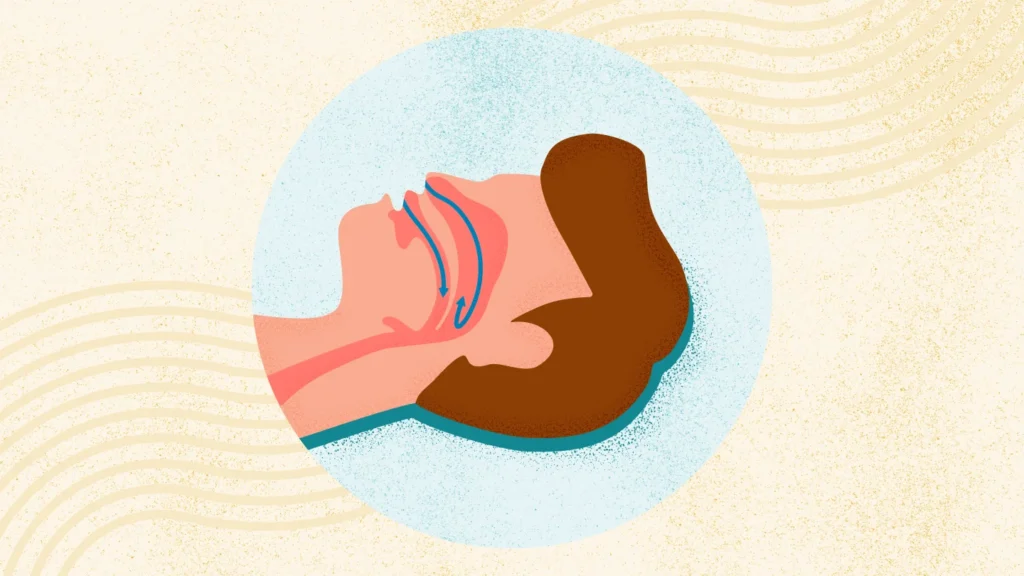
Most snoring happens when airflow gets turbulent and soft tissues vibrate. Common contributors include sleeping on your back, nasal congestion, alcohol close to bedtime, and a jaw or tongue that relaxes backward during sleep.
Travel can make it worse. Dry hotel air, late meals, and exhaustion can all change how you breathe at night. Even “healthy” people can notice new sleep issues during stressful stretches, which is why sleep-health headlines keep popping up.
What’s an anti snoring mouthpiece, and what is it trying to do?
An anti snoring mouthpiece is designed to improve airflow by changing oral positioning during sleep. Many options work by gently guiding the lower jaw forward, which can reduce airway narrowing for certain snorers. Others focus on stabilizing the tongue or supporting mouth closure.
People like mouthpieces because they’re portable, relatively low-tech, and compatible with real life—like red-eye flights, tight schedules, and partners who need silence to function.
How do you pick a mouthpiece without guessing?
Start with your main problem: noise, breathing, or both
If the issue is mostly volume and back-sleeping, a jaw-forward style may be worth discussing or trying. If mouth-breathing and open-mouth snoring are common, a combined approach can be appealing.
Look for comfort and adjustability, not “maximum pressure”
The best device is the one you can actually wear. Comfort matters because a painful fit can interrupt sleep more than snoring does. Adjustability can help you find a workable position instead of forcing a single setting.
Know your “stop signs”
If you have jaw pain, dental issues, or symptoms that suggest sleep apnea, get medical guidance before you commit. A mouthpiece can be part of a plan, but it shouldn’t delay proper evaluation.
For a general overview of what experts are comparing right now, see We Consulted Sleep Doctors To Find The 4 Best Anti-Snore Devices.
What else can improve sleep quality while you address snoring?
Think “less friction at night.” Keep your nose clear when possible, keep your sleep window consistent, and avoid stacking late alcohol with a heavy meal. If you’re in a burnout season, a calmer pre-bed routine often helps more than another app.
If travel is the trigger, pack for sleep like you pack for comfort: hydration, a stable bedtime when you can, and a snoring plan that fits in a carry-on.
When is snoring a sign you should get checked for sleep apnea?
Don’t self-diagnose, but don’t brush it off either. Consider a clinical conversation if you have loud snoring plus pauses in breathing, gasping, morning headaches, high blood pressure, or strong daytime sleepiness. Those patterns can line up with obstructive sleep apnea, which needs proper evaluation.
FAQ: quick answers people are searching right now
- Do anti-snoring mouthpieces work for everyone? Not for everyone. They can help certain snoring patterns, but results depend on the cause and fit.
- What’s the difference between snoring and sleep apnea? Snoring is a sound. Sleep apnea involves repeated breathing interruptions and can have health risks.
- How long does it take to get used to a mouthpiece? Often several nights to a few weeks. Persistent pain isn’t normal—pause and get guidance.
- Can a mouthpiece improve sleep quality even if I don’t wake up? Possibly. Reduced snoring can mean fewer sleep disruptions for you and your partner.
- When should I talk to a clinician? If you suspect sleep apnea symptoms or have significant daytime sleepiness, ask about screening.
Ready to try a mouthpiece approach?
If you want an option that targets snoring and mouth-breathing together, consider an anti snoring mouthpiece.
How do anti-snoring mouthpieces work?
Medical disclaimer: This article is for general education only and is not medical advice. Snoring can have many causes, including sleep apnea. If you have concerning symptoms (gasping, breathing pauses, chest pain, severe daytime sleepiness, or high blood pressure), seek evaluation from a qualified clinician.