
Myth: Snoring is just a “funny noise” and the person snoring is the only one who needs to deal with it.
Reality: Snoring can chip away at sleep quality for both people in the room. It can also create tension that shows up as jokes at breakfast and frustration at 2 a.m.
Right now, sleep is having a moment. People are buying trackers, trying new routines, and swapping “best device” lists in group chats. Add travel fatigue, workplace burnout, and the pressure to be “on” all day, and it’s no surprise that snoring solutions—especially an anti snoring mouthpiece—keep trending.
Why snoring feels louder lately (even if it isn’t)
When you’re stressed or running on fumes, you notice every disruption. A partner’s snore can feel like a personal attack when you’re already depleted.
There’s also a cultural shift toward taking sleep more seriously. You’ll see more conversations about sleep health in mainstream coverage, plus broader policy discussions that touch sleep-related conditions. If you want context on that bigger picture, see VA Is Rewriting Big Pieces of the Disability Rating Playbook.
A decision map: If this is your snoring situation, then try this
This is a practical guide, not a diagnosis. Snoring has multiple causes, and the “best” fix depends on what’s driving the noise.
If you snore mostly on your back, then start with positioning + a mouthpiece check
Back-sleeping can make the airway more prone to vibration. Many people try pillows or positional tricks first.
If you also wake with a dry mouth, a snoring mouthpiece may be worth considering. Dry mouth can suggest mouth-breathing, which often makes snoring worse.
If your partner says you sleep with your mouth open, then look at mouth-breathing support
Mouth-breathing can turn the room into a wind tunnel. That airflow increases soft-tissue vibration, which is the sound you both hate.
In that case, people often explore a mouthpiece approach, sometimes paired with gentle mouth-closure support. One option to review is an anti snoring mouthpiece. The idea is simple: encourage a better overnight pattern so airflow is less chaotic.
If you wake up tired even after “enough” hours, then zoom out to sleep quality
Snoring can fragment sleep without you remembering it. Micro-wake-ups add up, and the next day feels like slogging through wet cement.
Try a two-week experiment. Keep it boring and consistent: bedtime window, caffeine cutoff, and one anti-snoring strategy at a time. That makes it easier to tell what actually helped.
If snoring is causing relationship stress, then treat it like a shared problem
Snoring fights rarely stay about snoring. They become about consideration, resentment, and who “gets to” be tired.
Use a neutral script: “We’re both losing sleep. Let’s test one change for a week and reassess.” That keeps the conversation collaborative instead of accusatory.
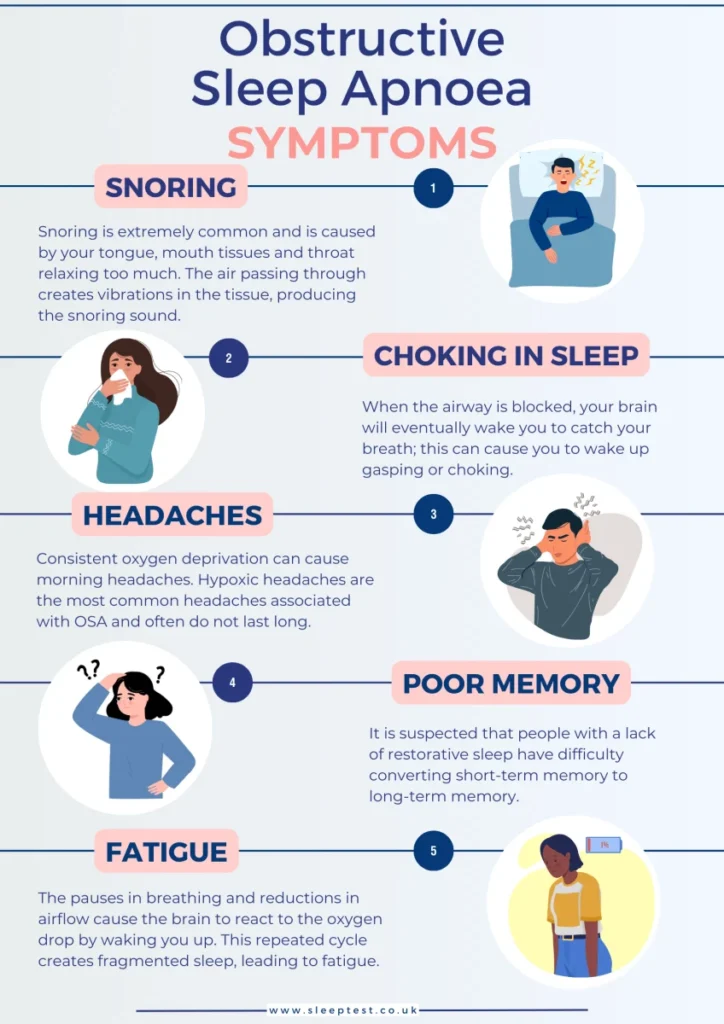
If you notice choking/gasping, witnessed breathing pauses, or severe daytime sleepiness, then get evaluated
Those can be signs of a bigger sleep-breathing issue that deserves professional attention. A mouthpiece might still be part of a plan, but it shouldn’t be guesswork.
What an anti snoring mouthpiece is trying to do (in plain language)
Most anti-snoring mouthpieces aim to reduce the vibration that creates snoring by improving airflow or gently changing jaw/tongue position. Less vibration usually means less noise.
Comfort matters more than people expect. The “best” device on a list won’t help if it sits in a drawer after night three.
How to shop without getting lost in sleep gadget hype
Pick one goal for the next 14 nights
Choose the main win you want: fewer wake-ups, less partner disruption, or better morning energy. One goal keeps you from chasing every trend at once.
Watch for these practical fit signals
- Morning jaw discomfort: mild adjustment can happen; persistent pain is a stop sign.
- Drooling or dryness: can improve as you adapt, but extreme symptoms may mean poor fit.
- Consistency: if you can’t wear it most nights, you won’t learn if it works.
Don’t ignore the “life stuff”
Travel changes everything: hotel air, alcohol at dinner, jet lag, and weird pillows. Burnout does, too. When your nervous system is fried, sleep becomes lighter and snoring complaints get louder.
That doesn’t mean you’re doomed. It means your plan should be realistic for real life, not just perfect weeks.
FAQ: quick answers people want before they buy
Is it safe to try a mouthpiece?
Many people do, but safety depends on your teeth, jaw, and symptoms. If you have jaw pain, dental issues, or concerning breathing symptoms, check with a clinician.
Will it stop snoring instantly?
Some people notice change quickly, others need adjustment time, and some won’t respond. Track outcomes for at least a week.
What if my partner is the one snoring?
Make it a team project. Offer to help track patterns (back-sleeping, alcohol, congestion, travel) and test one solution at a time.
Next step: choose one test and keep it simple
If you want a straightforward place to start, focus on comfort, consistency, and a clear two-week trial. That’s how you separate “internet hype” from real sleep improvement.
How do anti-snoring mouthpieces work?
Medical disclaimer: This article is for general education and is not medical advice. It does not diagnose, treat, or cure any condition. If you have loud habitual snoring with choking/gasping, witnessed breathing pauses, chest pain, severe daytime sleepiness, or jaw/dental pain, seek guidance from a qualified clinician.