
Myth: Snoring is just a funny quirk—annoying, but harmless.
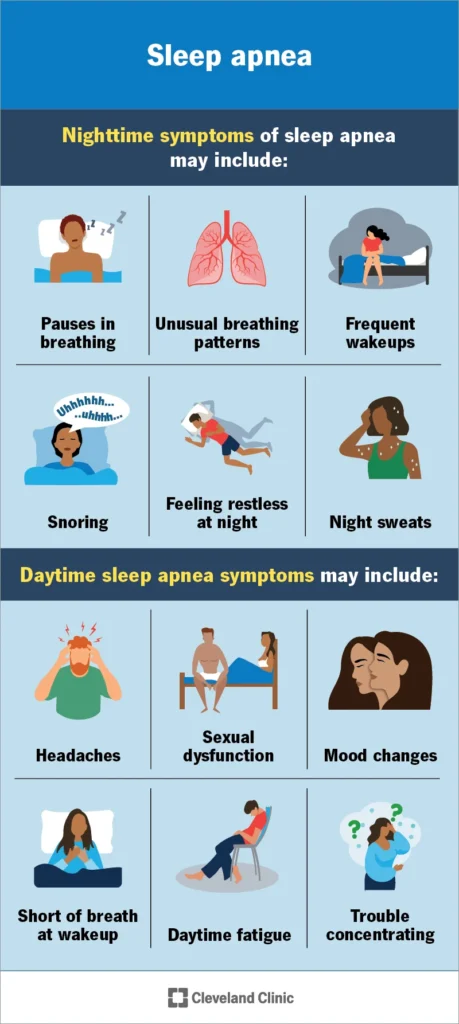
Reality: Snoring often signals disrupted sleep for at least one person in the room. That can spill into your mood, focus, workouts, and even how patient you feel with your partner the next day.
Right now, the “snore conversation” is everywhere. People are buying sleep trackers, trying new wellness routines, and searching for fixes that don’t require a full bedroom makeover. That’s a big reason interest in the anti snoring mouthpiece keeps climbing—alongside broader talk about sleep health, travel fatigue, and burnout.
The big picture: why snoring is having a moment
Sleep has become a mainstream health trend. You’ll see it in gadget launches, workplace wellness chatter, and those “I’m optimizing my bedtime” routines people share.
At the same time, real life is louder than ever: late-night scrolling, early meetings, and red-eye flights. If you’re already running on fumes, a nightly snore can feel like the final straw.
It also helps explain why market-watch headlines keep pointing to growing demand for anti-snoring solutions across regions. The takeaway isn’t a specific number—it’s the cultural shift: more people want quieter nights, and they want options.
The emotional side: snoring isn’t just noise
Snoring turns into relationship math fast. One person feels blamed. The other feels desperate to sleep. Then you get the “I’ll sleep on the couch” spiral, plus jokes that aren’t really jokes.
Try reframing it as a shared problem with a shared goal: protect both people’s sleep. That small shift can lower defensiveness and make it easier to test solutions calmly.
And if travel is part of your life, snoring can hit harder on the road. Jet lag, hotel pillows, alcohol at dinner, and exhaustion can all make nights feel more fragile. That’s why portable tools—like mouthpieces—stay on people’s shortlists.
Practical steps: a no-drama plan to sleep quieter
Step 1: spot your snoring pattern
You don’t need a lab to start learning. Ask a partner what they notice, or record a short sample. Pay attention to when it’s worse: after drinks, on your back, during allergy season, or when you’re overtired.
Step 2: try the “low-effort” fixes first
Small changes can matter:
- Side sleeping: Back sleeping often makes snoring louder.
- Alcohol timing: Many people snore more after evening drinks.
- Nasal support: Congestion can worsen airflow and vibration.
- Sleep schedule: Overtired nights can be surprisingly noisy.
If those help but don’t solve it, you’re not failing. You’re narrowing the cause.
Step 3: consider an anti snoring mouthpiece
An anti-snoring mouthpiece is popular because it’s straightforward: wear it at night, test results, adjust for comfort, and track whether sleep improves.
Many people compare options by reading roundups like Europe Anti-snoring Device Market Size and Forecast 2025–2033. Use those as a starting point, then focus on fit, comfort, and whether you can actually stick with it.
If you want a two-in-one approach that targets both jaw position and mouth breathing, look at an anti snoring mouthpiece. The “best” choice is the one you can wear consistently without pain.
Safety and testing: what to watch while you try it
Comfort is not optional
Some initial awareness is normal. Sharp pain is not. If you notice jaw soreness that doesn’t fade, tooth pain, or a bite that feels “off” in the morning and stays that way, pause and reassess.
Give it a fair trial (but not forever)
Test for about 1–2 weeks while keeping other variables steady. If snoring volume drops and you feel more rested, that’s useful feedback. If nothing changes, don’t keep forcing it—switch strategies.
Know when to get checked
Snoring can overlap with sleep-disordered breathing. If you have loud frequent snoring plus choking/gasping, morning headaches, or strong daytime sleepiness, talk with a qualified clinician. Dental professionals also discuss snoring and sleep apnea options in the public conversation lately, which reflects a broader point: persistent snoring deserves a real evaluation, not just guesswork.
FAQ: quick answers people want right now
Do anti-snoring mouthpieces work for everyone?
No. They can help some people, especially with position-related snoring, but results vary by anatomy and underlying causes.
How fast do you know if a mouthpiece is helping?
Many people notice changes within a few nights, but give it a couple of weeks to adjust and evaluate comfort and consistency.
Is snoring always a sign of sleep apnea?
Not always. Snoring can happen without apnea, but loud frequent snoring plus choking/gasping or daytime sleepiness should be evaluated.
Can a mouthpiece hurt my jaw or teeth?
It can if the fit is poor or if you have jaw issues. Stop if you get persistent pain, bite changes, or tooth discomfort and consider dental guidance.
What else improves sleep quality besides stopping snoring?
A stable sleep schedule, side-sleeping, limiting alcohol near bedtime, managing nasal congestion, and reducing late-night screen time can all help.
Should I talk to a dentist about snoring?
If snoring is chronic, disruptive, or paired with symptoms like morning headaches or daytime fatigue, a dentist or sleep clinician can help assess options.
Next step: pick one change and start tonight
Snoring solutions work best when you treat them like an experiment, not a personality flaw. Choose one lever—sleep position, nasal support, or an anti snoring mouthpiece—and track what happens for a week.
How do anti-snoring mouthpieces work?
Medical disclaimer: This article is for general education only and isn’t medical advice. It doesn’t diagnose or treat any condition. If you have severe symptoms, jaw pain, or signs of sleep apnea, seek care from a qualified healthcare professional.