
Myth: Snoring is just “noise,” so it doesn’t affect sleep quality.
Reality: Snoring often signals airflow resistance. That can fragment sleep for the snorer, the partner, or both. It’s also why anti-snoring devices keep showing up in sleep roundups and trend pieces, alongside the latest wearables and “sleep optimization” gadgets.
What people are talking about right now (and why it matters)
Sleep is having a moment. You see it in travel fatigue posts, workplace burnout conversations, and the relationship humor that starts with “I love you, but your snoring…” and ends with someone on the couch.
At the same time, more coverage is comparing anti-snore products and forecasting steady demand for them. The takeaway is simple: people want practical solutions that don’t require turning bedtime into a science project.
If you’re browsing lists of Europe Anti-snoring Device Market Size and Forecast 2025–2033, use the decision guide below to narrow your options quickly.
Fast decision guide: If…then… (pick your path)
This is a practical filter for choosing an anti snoring mouthpiece (or realizing you should look elsewhere first).
If your snoring is louder on your back, then start here
Then: You may be a “position-sensitive” snorer. A mouthpiece can help some back-sleepers by supporting a more open airway. Pair it with simple position changes (like side-sleeping support) for a higher chance of improvement.
Quick check: If your partner says the snoring drops when you roll to your side, that’s a useful clue.
If you wake up with a dry mouth, then consider mouth-breathing support
Then: Mouth breathing can amplify snoring for many people. A combined approach can make sense if you suspect your mouth falls open at night.
One option is an anti snoring mouthpiece, which targets both jaw position and mouth opening. Comfort and fit still matter most.
If snoring spikes after drinks, late meals, or exhaustion, then focus on timing
Then: Treat it like a “load management” problem. Alcohol and heavy meals close to bedtime can relax airway tissues and worsen vibration. Travel fatigue can do the same by pushing you into deeper, less stable sleep early in the night.
Try adjusting the routine first. If snoring remains frequent, a mouthpiece may still be worth testing.
If you have nasal congestion most nights, then don’t start with a mouthpiece
Then: When airflow is blocked at the nose, you may default to mouth breathing. A mouthpiece might not solve the root cause. Consider addressing nasal comfort and bedroom air dryness before you judge any oral device.
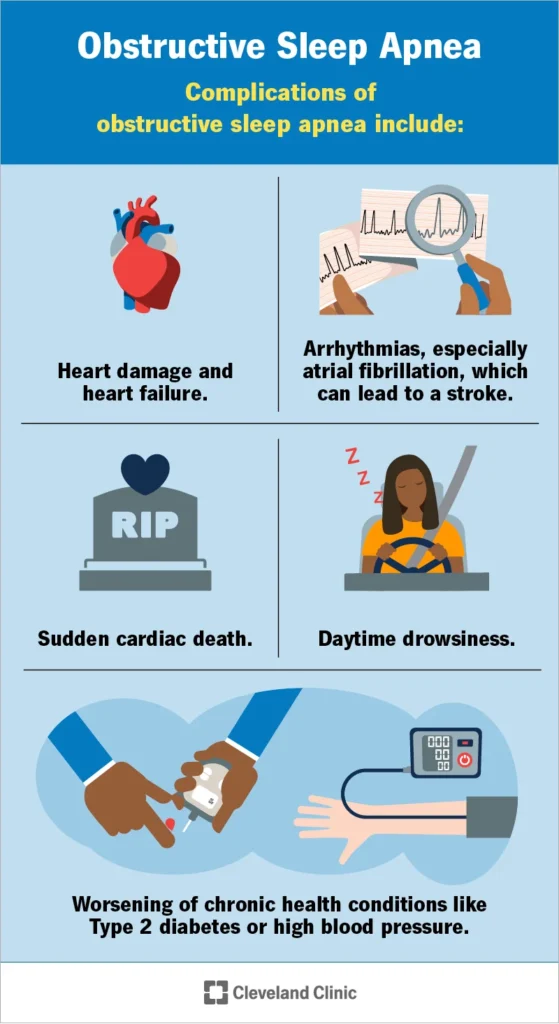
If your partner reports pauses, gasping, or you feel crushed by daytime sleepiness, then escalate
Then: Don’t treat this as “just snoring.” Those patterns can be consistent with sleep-disordered breathing. A clinician can help you rule out obstructive sleep apnea and guide safe next steps.
How to evaluate an anti snoring mouthpiece (without overthinking it)
- Fit: A poor fit is the #1 reason people quit. Prioritize comfort and a secure feel.
- Jaw comfort: Mild soreness can happen early on. Sharp pain, locking, or persistent TMJ symptoms are not “normal.”
- Consistency: Judge results over multiple nights, not one perfect or terrible night.
- Sleep quality wins: Track outcomes that matter: fewer wake-ups, less partner disruption, better morning energy.
FAQ
Do anti-snoring mouthpieces work for everyone?
No. They often help when snoring is tied to jaw/tongue position, but they’re not universal fixes.
What’s the difference between a mouthpiece and a chin strap?
A mouthpiece aims to improve airway space by adjusting oral/jaw position. A chin strap mainly helps keep the mouth closed.
Can snoring be a sign of sleep apnea?
Yes. If you notice choking, gasping, breathing pauses, or major daytime sleepiness, talk with a clinician.
How long does it take to get used to a mouthpiece?
Often several nights to a couple of weeks. Gradual adaptation beats forcing it.
Will travel and jet lag make snoring worse?
It can. Dry air, different sleep positions, alcohol, and exhaustion can all increase snoring temporarily.
CTA: Make the next step simple
If your snoring seems position-related or tied to mouth breathing, a mouthpiece-based approach may be a reasonable next test. Keep it practical: prioritize comfort, give it a fair trial, and measure sleep quality—not just volume.
How do anti-snoring mouthpieces work?
Medical disclaimer: This article is for general education only and isn’t medical advice. Snoring can have many causes, including sleep apnea. If you have breathing pauses, gasping, chest pain, severe daytime sleepiness, or concerns about TMJ/dental issues, consult a qualified clinician.