
Before you try anything tonight, run this checklist:
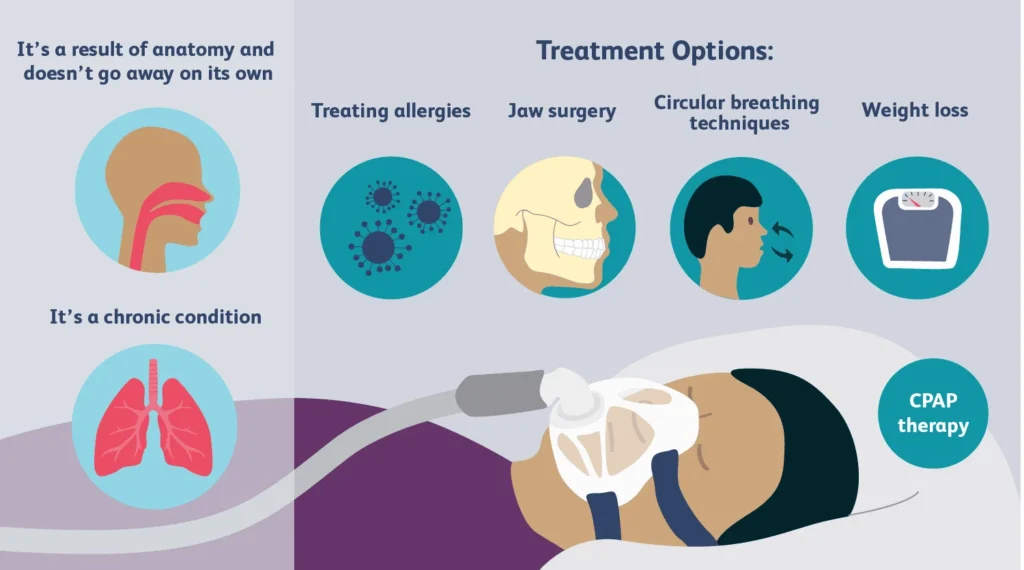
- Are you just snoring (annoying, but otherwise okay) or do you have red flags (gasping, pauses, extreme sleepiness)?
- Is this new after travel, stress, or a cold?
- Is your partner losing sleep (and patience) because you’re louder than the white-noise machine?
- Are you chasing gadgets—rings, tapes, pillows—without a plan?
If you want a direct path: match the cause to the tool. Snoring is having a moment in the culture right now because sleep tech is everywhere, burnout is real, and nobody wants to feel wrecked at work after a “full” eight hours that didn’t restore them.
What people are really asking: “Is my snoring hurting my sleep health?”
Snoring can be a simple vibration problem. It can also be a signal that your airway is narrowing more than it should. That’s why sleep doctors and dentists keep showing up in recent coverage—people want a fix that’s practical, not a lecture.
Also, the anxiety factor is rising. Headlines have been circulating about a single nighttime habit being linked with higher cardiovascular risk in younger adults. Don’t treat that as a diagnosis. Do treat it as a nudge to take sleep seriously, especially if your nights include heavy snoring, fragmented sleep, or constant fatigue.
For a general, non-alarmist explainer on the headline trend, see In HelloNation, Dental Expert Dr. Eric Runyon of Belton, MO Discusses How Dentists Treat Snoring & Sleep Apnea.
Decision guide: If…then… choose your next step
If your snoring is positional (worse on your back), then start here
Then: Try side-sleeping strategies first. Many people snore louder on their back because the tongue and soft tissues shift and narrow the airway. This is why “sleep posture” content is trending alongside sleep gadgets.
Add-on: If side-sleeping helps but doesn’t fully fix it, a mouthpiece may still be useful because it targets jaw/tongue position more directly than a pillow does.
If your partner says you “clench, snore, and stop breathing,” then don’t guess
Then: Get evaluated for sleep apnea. Snoring plus witnessed breathing pauses, choking/gasping, or heavy daytime sleepiness is a “don’t DIY forever” situation.
Medical sites like Mayo Clinic describe common symptoms and causes of sleep apnea and why it matters. Use that as your baseline, not influencer hot takes.
If travel fatigue flipped a switch, then treat it like a temporary flare
Then: Assume your sleep is more fragile for a week. Time zones, hotel air, alcohol with late dinners, and back-sleeping can stack the deck.
What to do: Simplify. Hydrate. Manage congestion. If snoring is still loud after you’re home and stable, move to a targeted tool like an anti snoring mouthpiece.
If you’ve tried “sleep hacks” and you’re still exhausted, then focus on airway + consistency
Then: Pick one airway-focused intervention and track outcomes for 10–14 nights. Burnout culture makes people chase quick fixes. Sleep usually rewards consistency instead.
What to track: bedtime, wake time, alcohol timing, congestion, snoring feedback from a partner/app, and how you feel at 2 p.m.
If your snoring seems jaw-related, then a mouthpiece is the most direct option
Then: Consider a mandibular advancement style mouthpiece, which gently positions the lower jaw forward to reduce airway collapse and vibration for some people.
Recent roundups of anti-snore devices keep circling back to mouthpieces because they’re portable and don’t require powering a gadget on your nightstand.
If you want a combined approach that also supports mouth closure, look at this anti snoring mouthpiece.
What an anti-snoring mouthpiece can (and can’t) do
Can: Reduce snoring volume for some sleepers by improving airflow mechanics. It’s especially relevant when snoring is linked to jaw position or mouth breathing.
Can’t: Guarantee better sleep for every body. If the root problem is untreated sleep apnea, severe nasal blockage, or heavy alcohol close to bedtime, a mouthpiece may only partially help.
Comfort matters. A device that sits in a drawer doesn’t improve sleep quality.
Quick fit and comfort checks (so you actually keep using it)
- Jaw feel: Mild pressure can be normal early. Sharp pain is not.
- Teeth/gums: If you have dental instability or gum issues, get guidance before forcing a fit.
- Dry mouth: Often improves when mouth breathing decreases, but it can also signal nasal blockage.
- Partner feedback: Use it. Relationship humor aside, the “snore report” is valuable data.
Medical disclaimer (read this)
This article is for general education and does not diagnose, treat, or replace medical advice. If you suspect sleep apnea or have symptoms like choking/gasping, witnessed breathing pauses, severe daytime sleepiness, or concerning cardiovascular issues, talk with a qualified clinician or dentist experienced in sleep-related breathing disorders.
Next step
If your pattern fits “jaw/airway mechanics” more than “temporary cold” or “obvious apnea red flags,” a mouthpiece is a reasonable, low-friction next move.