
On a packed weeknight, someone drifts off first. Ten minutes later, the room turns into a low-budget sound machine: snore… pause… snore. Their partner stares at the ceiling, doom-scrolling sleep gadgets and joking (not joking) about moving to the couch.
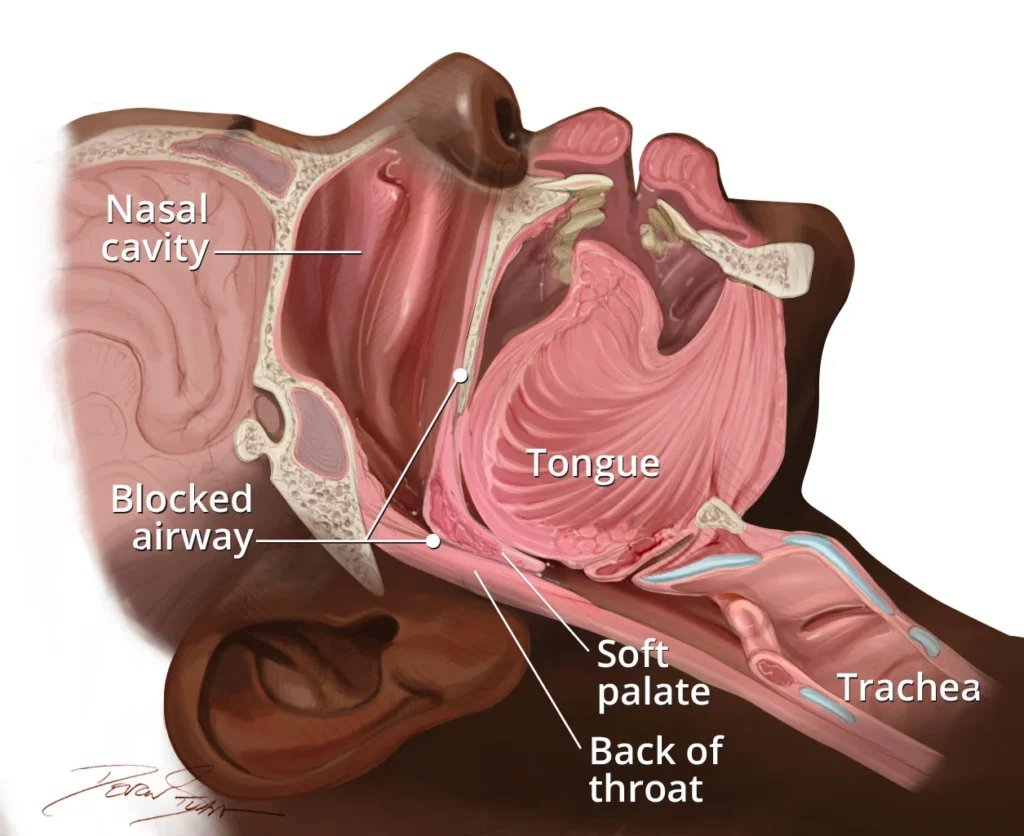
If that feels familiar, you’re not alone. Snoring and sleep quality are having a moment—partly because burnout is real, travel is back, and everyone wants a quick fix that doesn’t require a full lifestyle overhaul. One tool that keeps coming up is the anti snoring mouthpiece.
Overview: why snoring is suddenly everyone’s problem
Snoring isn’t just “a funny noise.” It can break up sleep for both people in the room, which can spill into mood, focus, and even relationship patience the next day.
Recent chatter around anti-snore devices and dental approaches reflects a bigger trend: people want practical, at-home options, and they want them to feel less like medical equipment and more like a normal part of bedtime.
If you’ve been browsing lists like Europe Anti-snoring Device Market Size and Forecast 2025–2033, you’ve seen the same theme: comfort and consistency matter as much as the device itself.
Timing: when to test a mouthpiece (and when to pause)
Good times to trial
Pick a low-stress week if you can. Starting the night before a big presentation or right after a red-eye flight can make any adjustment feel worse than it is.
Give yourself a runway of 7–14 nights to evaluate. Night one is rarely the final verdict.
Times to get checked instead of guessing
Snoring can overlap with sleep apnea. If you notice choking/gasping, long breathing pauses, morning headaches, or heavy daytime sleepiness, talk with a clinician before treating it like a simple annoyance.
Supplies: what to have on your nightstand
- Your mouthpiece (clean, dry, and stored properly)
- A simple cleaning setup: soft toothbrush + mild soap (or whatever the manufacturer recommends)
- Water (dry mouth happens for some people early on)
- Optional comfort helpers: nasal strips or saline rinse if congestion is part of your snoring pattern
If you’re comparing models, start here: anti snoring mouthpiece.
Step-by-step (ICI): the no-drama mouthpiece routine
Think of this as ICI: Insert → Check → Improve. It’s a repeatable routine that keeps you from “set it and forget it” problems.
1) Insert: get the fit and position right
Follow the product’s fitting directions exactly. A mouthpiece that’s slightly off can feel bulky, increase drooling, or push your jaw too far forward.
When you insert it, aim for a secure feel without pressure points. Your teeth should feel supported, not squeezed.
2) Check: run a quick comfort scan before lights out
Do a 20-second check while you’re still awake:
- Lips can close without strain
- No sharp edges rubbing gums or cheeks
- Jaw feels neutral (not “cranked forward”)
- You can breathe through your nose comfortably
This is the part most people skip. It’s also why many devices end up abandoned in a drawer.
3) Improve: small tweaks that boost sleep quality
Pair the mouthpiece with one or two high-impact sleep habits. Don’t try to overhaul everything in one night.
- Side-sleep setup: a pillow behind your back can reduce back-sleeping.
- Alcohol timing: cutting it off earlier can help some snorers.
- Wind-down boundary: stop work messages before bed. “One last email” is a sleep thief.
If kids are in the house, keep the household framing simple: sleep is a health habit, not a reward. Many parents are hearing that message more often lately, and it applies to adults too.
Mistakes that make mouthpieces feel like they “don’t work”
Starting on the worst possible night
After travel fatigue, late meals, or a stressful day, you’re more likely to clench or mouth-breathe. That can sabotage your first impression.
Chasing maximum advancement instead of comfort
More forward jaw position isn’t always better. Comfort and consistent wear usually win over aggressive settings.
Ignoring nasal congestion
If your nose is blocked, you may default to mouth breathing, which can worsen snoring for some people and make any mouthpiece feel harder to tolerate.
Skipping cleaning and storage
Residue and odor build up fast. A quick daily clean and proper case storage keeps the device more comfortable and less gross, which improves compliance.
FAQ: quick answers people ask in real life
Is snoring always a health issue?
Not always, but it’s a signal worth paying attention to—especially if it’s new, worsening, or paired with daytime symptoms.
Can dentists help with snoring?
Yes, dentists often discuss oral appliances and fit-related issues. If sleep apnea is suspected, a medical evaluation is still important.
What if my partner says I still snore?
Track patterns for a week: sleep position, alcohol timing, congestion, and stress. Snoring is often multi-factorial, so improvements may come from combining tools.
CTA: make your next week of sleep easier
If you want a practical starting point, focus on comfort, positioning, and a clean routine. That’s how most people turn “I tried it once” into “I can actually sleep with this.”
How do anti-snoring mouthpieces work?
Medical disclaimer: This article is for general education and is not medical advice. Snoring can be linked to sleep apnea or other conditions. If you have breathing pauses, gasping, chest pain, severe daytime sleepiness, or concerns about a child’s sleep, seek evaluation from a qualified clinician.