
On a red-eye flight home, “Sam” promised they’d sleep the moment the wheels touched down. Instead, they dozed in 12-minute bursts, woke up dry-mouthed, and got a text from their partner: “You were snoring in your sleep app again.” By Monday, the office burnout chatter was back, the wearable sleep score looked rude, and the group chat had jokes about “separate bedrooms.”
That’s the current mood around sleep: more tracking, more gadgets, more pressure to optimize. Snoring sits right in the middle of it. If you’re searching for an anti snoring mouthpiece, you’re not alone—and the market noise can make simple decisions feel complicated.
Big picture: why snoring is suddenly everywhere
Snoring isn’t new. What’s new is how often people hear about it. Sleep podcasts, “best device” roundups, and travel-fatigue posts keep pushing the topic into daily conversation. Add relationship humor (“I love you, but your snore is a chainsaw”) and it becomes a shared problem, not a private one.
There’s also a practical reason the interest keeps rising: people want non-invasive options first. That’s where mouthpieces, positional tools, and other at-home approaches get attention—especially when headlines mention dentists discussing snoring and sleep-disordered breathing in broader terms.
The emotional side: it’s not just noise
Snoring can feel embarrassing. It can also create real tension. One person loses sleep, the other feels blamed, and both wake up irritable. That’s a fast track to worse sleep quality for everyone in the room.
Sleep debt stacks quickly during busy seasons. Travel, late-night scrolling, and workplace stress can all make snoring seem louder. Even if the snoring itself doesn’t change, your tolerance does when you’re exhausted.
Practical steps: a no-drama plan to test what helps
1) Get clear on your pattern before you buy
Don’t guess. Do a simple 7-night check-in. Note: back vs side sleeping, alcohol, congestion, and bedtime. If you use a sleep app, treat it as a rough signal, not a diagnosis.
2) Start with the “big levers” that cost nothing
- Sleep position: Many people snore more on their back.
- Nasal comfort: If you’re congested, address dryness and irritants.
- Timing: Late meals and alcohol close to bedtime can worsen snoring for some people.
3) Where an anti snoring mouthpiece fits
A mouthpiece is often used to reduce snoring by changing what your jaw, tongue, and soft tissues do during sleep. The goal is less vibration and less airway narrowing. It’s a straightforward concept, which is why it keeps showing up in “best device” conversations.
If you want a single product to explore, look for a setup that supports both mouth and jaw positioning. One example is an anti snoring mouthpiece. Keep expectations realistic: you’re testing for improvement, not chasing perfection on night one.
4) Make your test measurable
- Pick two metrics: partner-reported snoring (yes/no) and your morning energy (1–10).
- Run a two-week trial with consistent bedtime habits.
- Change one variable at a time. Otherwise, you won’t know what worked.
Safety and screening: reduce risk and document your choices
This is the part most people skip. Don’t. A mouthpiece sits in your mouth for hours. That means fit, hygiene, and red-flag screening matter.
Red flags that should trigger medical screening
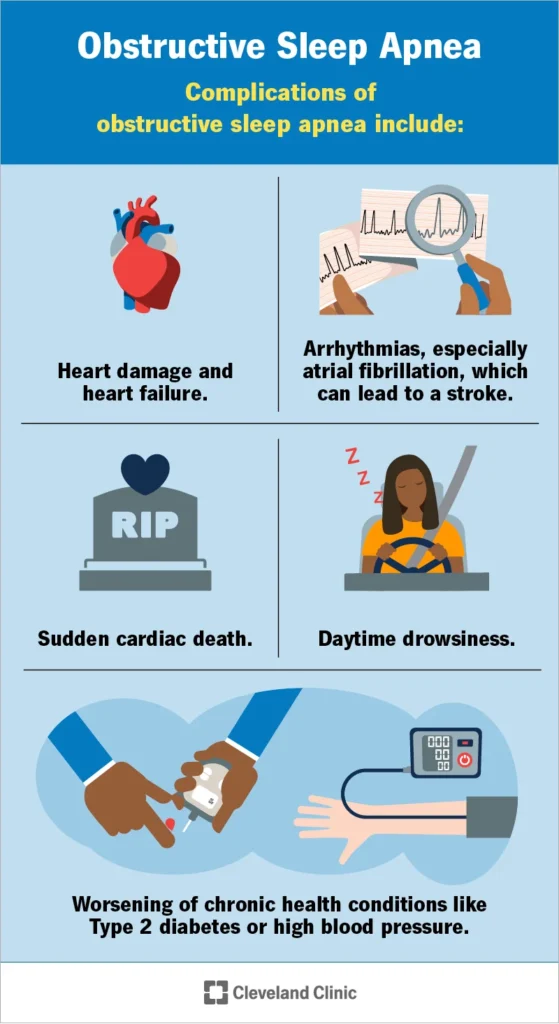
- Choking, gasping, or witnessed breathing pauses during sleep
- Severe daytime sleepiness, drowsy driving risk, or morning headaches
- High blood pressure concerns or significant cardiometabolic risk factors
If any of those are in play, treat snoring as a symptom worth evaluating, not just a nuisance. A dentist may help with oral appliance options, but sleep apnea screening is medical territory.
Fit and jaw safety checks
- Jaw pain isn’t “normal adaptation”: mild awareness can happen, sharp pain is a stop sign.
- Watch for bite changes: if your teeth don’t meet the same way in the morning and it persists, pause and get advice.
- Don’t force it: follow fitting instructions and avoid over-tightening or aggressive adjustments.
Hygiene and infection-risk basics
- Clean the device as directed after each use.
- Let it dry fully. Moist cases can get gross fast.
- Don’t share mouthpieces. Ever.
Document your decision (yes, really)
Keep a simple note in your phone: product name, start date, any discomfort, and whether snoring improved. If you end up talking to a dentist or clinician, that log saves time and reduces guesswork.
What people are talking about right now (and what to ignore)
Sleep culture is loud: smart rings, sunrise lamps, white-noise machines, mouth tape debates, and “sleep hacking” trends. Some tips are genuinely helpful, others are just content.
If you want a grounded starting point, scan a mainstream roundup of Europe Anti-snoring Device Market Size and Forecast 2025–2033. Then pick one change you can maintain. Consistency beats novelty.
FAQ
Can an anti snoring mouthpiece help if I only snore sometimes?
It can, especially if your snoring shows up with back-sleeping, alcohol, or congestion. Track patterns for a week so you can judge results clearly.
Is snoring always a sign of sleep apnea?
No. But loud, frequent snoring plus choking/gasping, witnessed pauses, or heavy daytime sleepiness should be screened by a clinician.
How long does it take to get used to a mouthpiece?
Many people adapt over several nights to a couple of weeks. Start with short wear periods and follow the product’s fitting instructions.
What’s the difference between a mouthpiece and nasal strips?
Nasal strips target nasal airflow. Mouthpieces typically aim to reduce throat vibration by changing jaw or tongue position during sleep.
When should I stop using a mouthpiece and get help?
Stop and seek dental or medical advice if you have jaw pain, tooth pain, gum bleeding, bite changes, or ongoing morning headaches and fatigue.
CTA: make your next step simple
If snoring is dragging down your sleep quality, don’t drown in gadget noise. Pick one approach, test it for two weeks, and track results.
How do anti-snoring mouthpieces work?
Medical disclaimer: This article is for general education only and is not medical advice. Snoring can be linked to sleep apnea and other health conditions. If you have choking/gasping, witnessed pauses in breathing, significant daytime sleepiness, or persistent symptoms, talk with a qualified clinician or dentist for evaluation and personalized guidance.