
Before you try another “miracle” sleep gadget, run this checklist.
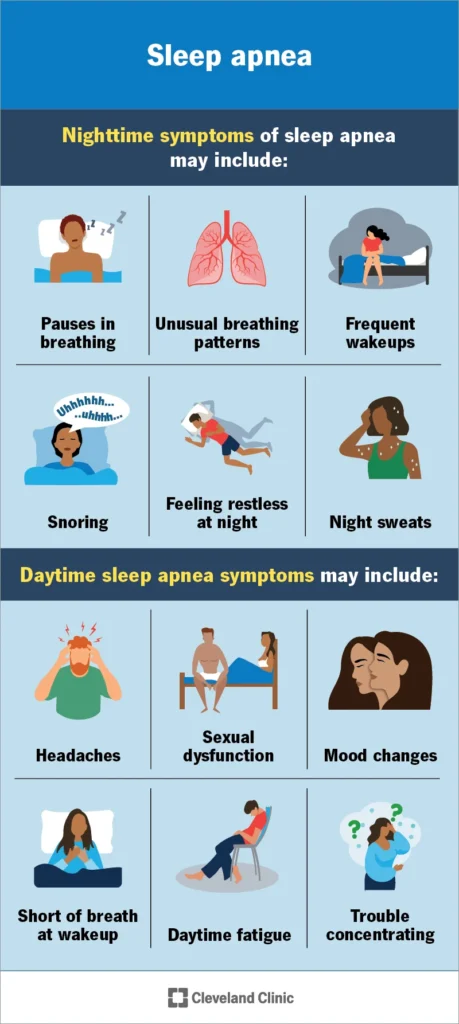
- Screen first: Any choking/gasping, breathing pauses, chest pain, or severe daytime sleepiness? Don’t DIY—get evaluated.
- Confirm the pattern: Is snoring worse on your back, after alcohol, or during travel fatigue?
- Pick one approach for 14 nights: A mouthpiece + a simple routine beats a drawer full of half-used fixes.
- Document it: Notes protect your health decisions and help a dentist or clinician adjust the plan.
Overview: Why snoring is suddenly everyone’s topic
Snoring used to be a punchline. Now it’s a sleep-quality headline. Between wearable sleep scores, “smart” pillows, and burnout conversations at work, people are noticing how a rough night bleeds into mood, focus, and relationships.
There’s also a trend toward practical, dentist-guided solutions. Recent coverage has highlighted how dental professionals can play a role in evaluating snoring and, in some cases, providing oral appliances. If you want a general explainer from a dental perspective, see In HelloNation, Dental Expert Dr. Eric Runyon of Belton, MO Discusses How Dentists Treat Snoring & Sleep Apnea.
At the same time, “best anti-snore device” lists keep circulating because people want something that feels actionable tonight. That’s where an anti snoring mouthpiece often enters the chat—especially when a partner is ready to start charging “noise rent.”
Timing: When a mouthpiece makes sense (and when it doesn’t)
Good times to consider an anti-snoring mouthpiece
A mouthpiece can be a reasonable next step when snoring seems positional (worse on your back), when congestion isn’t the main driver, or when you’ve already tried basic sleep-habit upgrades and still sound like a leaf blower.
It’s also popular after travel. Jet lag, hotel beds, and late dinners can all nudge snoring louder. People often want a compact tool they can pack, not another gadget that needs charging.
Pause and get screened if you notice red flags
Don’t treat loud snoring as “just annoying” if it comes with breathing pauses, gasping, morning headaches, or significant daytime sleepiness. Those can be signs of a more serious sleep-breathing issue that deserves professional evaluation.
If you’re seeing scary health content online about nighttime mistakes and heart risk, take it as a prompt to tighten your routine and ask for screening—not as a reason to panic-buy products.
Supplies: What you need for a safer, cleaner trial
- Your mouthpiece plan: Decide whether you’re exploring dentist-guided options or an over-the-counter style.
- Basic hygiene kit: Toothbrush, mild soap or cleaner appropriate for oral devices, and a ventilated case.
- Notebook or notes app: Track snoring intensity, sleepiness, jaw comfort, and any side effects.
- Optional: A simple phone recording app to compare “before vs after” a few nights per week.
If you’re comparing products, start with a straightforward overview of anti snoring mouthpiece and narrow down based on comfort, fit approach, and your tolerance for jaw positioning.
Step-by-step (ICI): Identify → Choose → Implement
1) Identify your likely snoring triggers
Use a 3-line log for one week: bedtime, alcohol (yes/no), sleep position, and how you felt in the morning. Add “travel day” and “stress day” notes. Burnout has a way of showing up at night.
This protects you from guessing. It also helps a dentist or clinician if you decide to escalate care.
2) Choose a mouthpiece strategy you can stick with
Consistency matters more than perfection. If you choose an anti-snoring mouthpiece, pick one you’ll actually wear on a Wednesday night when you’re exhausted, not just on your best-behavior weekends.
Also decide your “stop rules.” For example: persistent jaw pain, tooth pain, or a sense that your bite feels off for hours after waking.
3) Implement a 14-night trial with guardrails
Nights 1–3: Short wear time before sleep to acclimate. Focus on comfort and fit. Don’t force it.
Nights 4–10: Full-night use if comfortable. Keep your sleep schedule steady, and avoid adding new variables like a new pillow, new supplement, and a new app all at once.
Nights 11–14: Compare results. Look at snoring reports (partner feedback counts), morning energy, and any jaw/tooth symptoms.
Mistakes that waste money (or create new problems)
Stacking too many “sleep fixes” at once
It’s tempting to buy a mouthpiece, tape, a special pillow, a wearable, and a white-noise machine in one swipe. The result is messy data and frustration. Change one main thing at a time.
Ignoring comfort signals
Soreness that fades quickly can happen early on. Sharp pain, ongoing jaw issues, or bite changes are different. Stop and get dental guidance if symptoms persist.
Treating snoring like it’s only a relationship problem
Yes, snoring fuels jokes and separate-bedroom negotiations. Still, it’s also a sleep health signal. Poor sleep can amplify stress and workplace burnout, which then loops back into worse sleep.
Skipping the screening conversation
If there are signs of sleep apnea, a mouthpiece should be part of a bigger plan, not a cover-up. A proper evaluation lowers risk and prevents false reassurance.
FAQ: Quick answers people want before they buy
What’s the fastest way to tell if a mouthpiece might help?
If snoring is worse on your back and improves when you sleep on your side, jaw/tongue positioning may be involved. That’s a common scenario where mouthpieces are explored.
Can I use a mouthpiece if I have dental work?
It depends. Crowns, bridges, orthodontics, or TMJ history are good reasons to check with a dentist before using any device that changes jaw position.
What if my partner says it’s “better,” but I still feel tired?
Snoring volume and sleep quality don’t always move together. Persistent sleepiness is a reason to consider screening for a sleep-breathing disorder or other sleep issues.
CTA: Make your next step simple
If you want a practical way to explore whether an anti-snoring mouthpiece fits your situation, start with one clear plan and track results for two weeks. You’ll learn more from that than from another late-night scroll of sleep trends.
How do anti-snoring mouthpieces work?
Medical disclaimer: This article is for general education only and is not medical advice. Snoring can be harmless or a sign of a sleep-related breathing disorder. If you have symptoms such as choking/gasping, breathing pauses, significant daytime sleepiness, chest pain, or concerns about heart risk, seek evaluation from a qualified clinician.