
Before you try another sleep gadget, run this quick checklist. It takes 10 minutes, and it can tell you whether an anti snoring mouthpiece is worth testing tonight.
- Noise check: Is it real snoring, or a nasal whistle from congestion or dry air?
- Position check: Is it worse on your back after a long day or a late drink?
- Schedule check: Are you in a “burnout bedtime” cycle (too wired, too late, too little sleep)?
- Travel check: Did it spike after flights, hotels, or time-zone whiplash?
- Relationship check: Is the problem the snoring, or the nightly negotiation about pillows, white noise, and who gets the quiet side of the bed?
If you nodded at position, travel fatigue, or inconsistent sleep, you’re in the exact zone where a mouthpiece-based approach often gets discussed alongside the latest wearables and “smart” sleep gear.
Overview: why snoring is trending again (and why sleep quality matters)
Snoring has become a mainstream sleep topic. You see it in device roundups, doctor Q&As, and the endless “what finally worked for my partner” threads. The bigger story is sleep quality. Loud snoring can fragment sleep for both people in the room, and that feeds daytime fog, irritability, and the classic workplace burnout spiral.
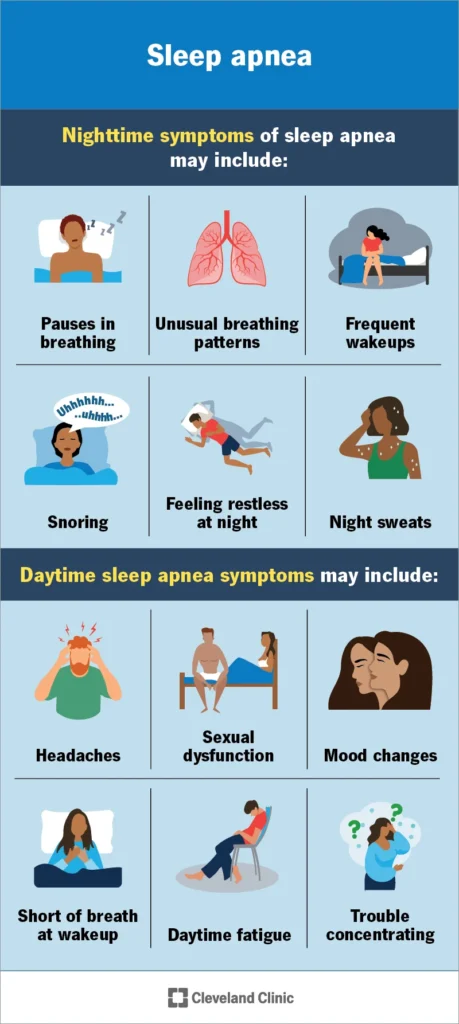
One important nuance shows up in recent sleep coverage: you can have a sleep-breathing problem even if you don’t snore. Snoring is a signal, not a full diagnosis. If you suspect something more serious, don’t self-label—get assessed.
For general snoring, many people start with practical steps (sleep position, nasal airflow, bedtime routine). If that isn’t enough, a mouthpiece becomes a common next experiment because it’s relatively simple and doesn’t require charging, syncing, or app updates.
Timing: when to try an anti snoring mouthpiece (and when to pause)
Best time to test: when your snoring is predictable. That often means it’s worse after back-sleeping, during allergy seasons, after travel, or when you’re overtired. Consistency helps you judge whether the mouthpiece changes anything.
Give it a fair window: don’t judge it after one rough night. Your mouth and jaw may need a short adjustment period. Plan a 7–14 night trial if you can.
Pause and get checked if: you have choking/gasping, witnessed breathing pauses, severe daytime sleepiness, or high blood pressure concerns. Those can be signs of a bigger issue that needs medical evaluation.
Supplies: what you’ll want on your nightstand
- Your mouthpiece (and any fitting tools it includes)
- A glass of water (dry mouth happens for some people early on)
- Basic oral care: toothbrush, floss, and a case for storage
- Optional comfort helpers: saline spray or a humidifier if nasal dryness is part of your story
- A simple tracker: notes app or paper log (snoring reports, sleep quality, morning jaw feel)
Step-by-step (ICI): Identify → Choose → Implement
1) Identify your likely snoring pattern
Keep it simple. Ask one question: When is it worst? If it spikes on your back, after late nights, or during travel, airway positioning may be part of the problem. That’s where mouthpieces often enter the conversation.
If your snoring changes with congestion, focus on nasal comfort too. A mouthpiece can still help some people, but you’ll want to address airflow from both ends—nose and throat—without overcomplicating it.
2) Choose a mouthpiece style that matches the goal
Most anti-snoring mouthpieces aim to improve airflow by changing what your jaw or tongue does during sleep. The fit matters as much as the concept. If you grind your teeth, have dental work, or wake with jaw tightness, prioritize comfort and stability over aggressive repositioning.
For a broader sense of what experts commonly discuss, you can also review general guidance like Yes, You May Have Sleep Apnea Even If You Don’t Snore. Keep your expectations realistic: you’re looking for quieter nights and better rest, not perfection on night one.
3) Implement the routine (and measure the right things)
Night 1–3: focus on fit and comfort. Wear it for short periods before bed if that helps you adapt. Aim for “tolerable and stable,” not “max adjustment.”
Night 4–7: track outcomes that matter. Did your partner nudge you less? Did you wake up fewer times? Did your throat feel less dry? Did you feel more restored?
Week 2: decide based on a pattern. If snoring volume drops but comfort is an issue, you may need a different style or a better-fitting approach rather than giving up on the category.
Mistakes that make people quit too soon
- Chasing “perfect” instantly: over-adjusting can cause soreness and kill compliance.
- Ignoring nasal factors: if you can’t breathe well through your nose, sleep gets harder no matter what’s in your mouth.
- Skipping hygiene: inconsistent cleaning can lead to odor, irritation, and a quick abandonment.
- Measuring only with an app score: wearables are useful, but partner feedback and morning symptoms often tell the real story.
- Missing red flags: loud snoring plus gasping or extreme sleepiness should move you toward professional evaluation.
FAQ: quick answers people ask right now
Do anti-snoring mouthpieces work for everyone?
No. They often help when jaw or tongue position narrows the airway, but they won’t solve every cause of snoring.
Can you have sleep apnea without snoring?
Yes. Snoring is common, but not required. If you have breathing pauses, choking, or heavy daytime sleepiness, get evaluated.
How long does it take to get used to an anti snoring mouthpiece?
Many people adapt within days to a couple of weeks. Gradual use and a comfort-first fit improve the odds.
Is a mouthpiece the same as a mouthguard?
Not necessarily. Anti-snoring designs aim to improve airflow, while sports guards mainly protect teeth.
What are the biggest signs a mouthpiece is fitted poorly?
Jaw pain, tooth soreness that persists into the day, gum irritation, or a bite that feels off after removal.
CTA: pick a simple setup you’ll actually wear
If you want a streamlined option, consider an anti snoring mouthpiece. The goal is straightforward: a stable fit that supports better airflow and fewer wake-ups.
How do anti-snoring mouthpieces work?
Medical disclaimer: This article is for general education and does not provide medical advice. Snoring can have multiple causes, and symptoms like choking/gasping, witnessed breathing pauses, or severe daytime sleepiness warrant evaluation by a qualified clinician.