
Snoring isn’t just “a funny noise.” It can turn a full night in bed into a half-night of real sleep.
And lately, it’s everywhere—sleep gadgets, wearables, travel recovery tips, and relationship jokes that are only funny until 2:00 a.m.
Thesis: If snoring is hurting sleep quality, the goal is simple—reduce airway collapse, protect sleep, and know when it’s time for a medical check.
What people are buzzing about right now (and why)
Sleep has become a mini-industry. People track “sleep scores,” pack travel pillows like carry-on essentials, and test new devices the way they test coffee beans.
That trend makes sense. Burnout is loud, schedules are messy, and many households now treat sleep as a shared resource. One person’s snore can become two people’s problem.
The current device talk: mouthpieces, nasal options, and “doctor-picked” lists
Recent roundups have pushed anti-snore devices into the mainstream. You’ll see mouthpieces, nasal dilators, and positional products presented as practical tools, not gimmicks.
There’s also growing awareness that snoring and sleep apnea don’t always overlap neatly. Some people snore without apnea. Others can have apnea even if they barely snore.
Nasal dilators are getting more attention
Research discussions around nasal dilators keep popping up, including a systematic-review style look at their clinical effectiveness in sleep-disordered breathing. If you want the broader context, see this Yes, You May Have Sleep Apnea Even If You Don’t Snore.
Translation: people are looking beyond “stop snoring” hacks and asking, “What actually changes airflow?”
What matters medically (without the fluff)
Snoring usually comes from vibration. Air is moving through a narrowed upper airway, and soft tissues start to flutter.
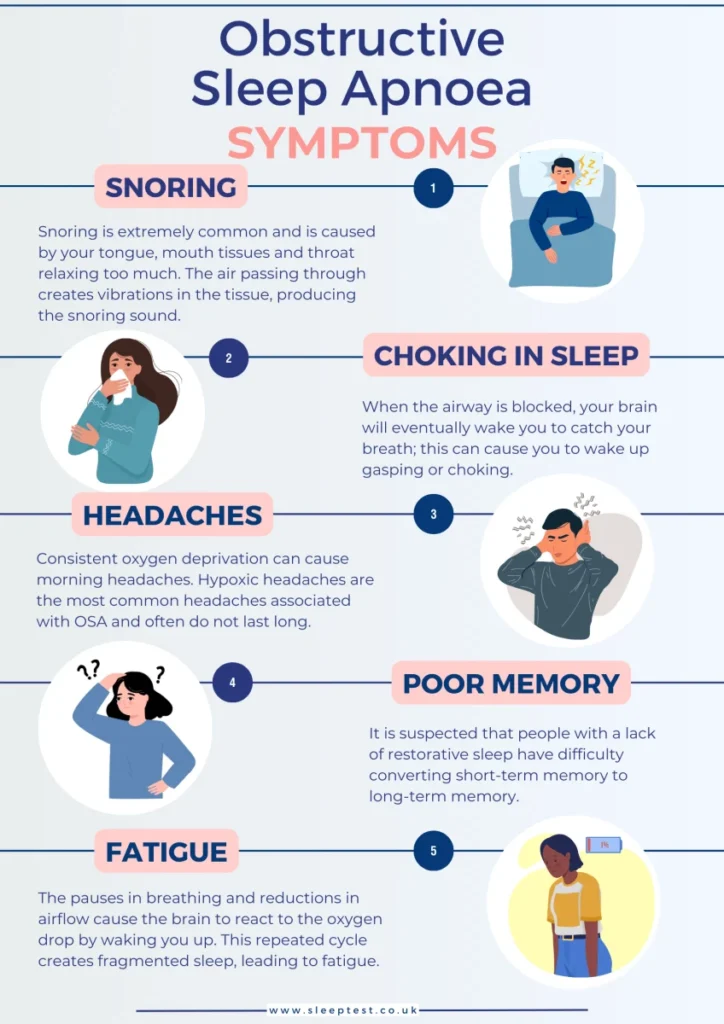
Sleep quality can drop even if you don’t fully wake up. Micro-arousals, lighter sleep stages, and fragmented breathing can leave you foggy the next day.
Snoring vs. sleep apnea: don’t assume either way
Snoring can be “simple snoring,” but it can also show up with obstructive sleep apnea. On the flip side, not everyone with sleep apnea snores loudly.
That’s why symptom patterns matter more than volume. If your partner describes pauses, gasps, or frequent startling, take it seriously.
Where an anti snoring mouthpiece fits
An anti snoring mouthpiece is commonly designed to influence jaw and tongue position during sleep. The basic goal is to reduce airway narrowing so airflow is steadier.
It can be a good match when snoring worsens on your back, after alcohol, during allergies, or when jaw position seems to matter. It’s not a universal fix, but it’s a common first-line tool people try at home.
How to try this at home (a realistic checklist)
If you want a plan you can actually stick to, focus on a few controllable levers. Don’t change ten things at once.
Step 1: Do a quick “snore audit” for 3 nights
- Note sleep position (back vs. side).
- Track alcohol close to bedtime and late meals.
- Write down congestion or dry mouth on waking.
- Ask your partner what they hear: steady snore, choking, silence-then-gasp, or restless tossing.
Step 2: Pick one device category to test first
Most at-home options fall into a few buckets: mouthpieces, nasal dilators/strips, and positional supports. If your snoring seems tied to jaw drop or tongue position, a mouthpiece is often the most direct experiment.
If you’re comparing choices, start here: anti snoring mouthpiece.
Step 3: Make comfort the priority (or you won’t use it)
Even the “best” device fails if it stays in a drawer. Give yourself a short ramp-up.
- Try it for brief periods before sleep to adjust.
- Keep a glass of water nearby if you get dry mouth.
- Re-check fit if you wake up with jaw soreness.
Step 4: Protect the basics of sleep quality
Device or not, sleep hygiene still matters. Keep the room cool, dim the lights earlier, and set a consistent wake time when possible.
If you travel often, expect “travel fatigue” to amplify snoring for a few nights. Dehydration, alcohol at dinner, and unfamiliar pillows can stack the deck.
When to stop troubleshooting and get help
Home trials are reasonable for mild, uncomplicated snoring. But certain signs deserve a clinician’s input.
Get evaluated sooner if you notice any of these
- Pauses in breathing, choking, or gasping during sleep
- Severe daytime sleepiness or morning headaches
- High blood pressure or heart risk factors
- Snoring that persists despite consistent changes
Also consider kids separately. Pediatric sleep issues can affect mood, learning, and behavior, and children need age-specific guidance.
FAQ: quick answers people actually want
Can I have sleep apnea even if I don’t snore?
Yes. Snoring is common in apnea, but it isn’t required. Symptoms like daytime sleepiness, witnessed breathing pauses, and unrefreshing sleep matter.
Is a mouthpiece better than a nasal dilator?
They do different jobs. Mouthpieces target jaw/tongue position. Nasal dilators target nasal airflow. Your best choice depends on what’s driving your snoring.
What if my partner says it’s “only when you’re on your back”?
That pattern often points to positional snoring. Side-sleeping strategies, plus a mouthpiece for airway support, can be a reasonable combination to test.
How do I know if a mouthpiece is helping?
Look for fewer wake-ups, less dry mouth, better morning energy, and partner-reported reduction in noise. Keep notes for 1–2 weeks so you’re not guessing.
CTA: make the next step easy
If snoring is cutting into sleep quality, don’t rely on luck (or another “miracle” gadget). Start with a simple, testable plan and track what changes.
How do anti-snoring mouthpieces work?
Medical disclaimer: This article is for general education only and isn’t medical advice. It doesn’t diagnose or treat any condition. If you suspect sleep apnea or have concerning symptoms, talk with a qualified clinician for evaluation and personalized guidance.