
Is your snoring getting louder lately? Are sleep gadgets piling up on your nightstand? And is an anti snoring mouthpiece actually worth trying?
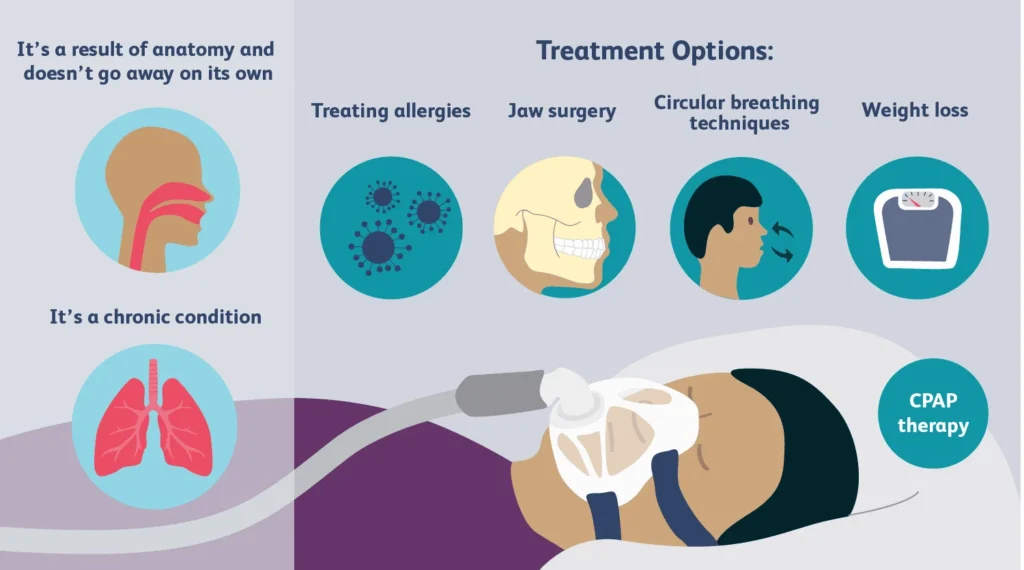
Yes, snoring can ramp up during stressful seasons, travel weeks, or when burnout messes with routines. Yes, the sleep-tech trend makes it tempting to buy “one more” device. And yes, a mouthpiece can help the right person—but it works best as part of a simple plan.
The big picture: why snoring is in the spotlight again
Sleep is having a moment. You see it in wearable scores, smart alarms, and travel “recovery” kits. You also hear it in relationships: the classic joke about one partner “sleeping like a baby” while the other is doing midnight math on decibels.
At the same time, interest in anti-snoring products keeps growing, including in Europe, where market forecasts and consumer demand are getting attention in the media. That cultural buzz doesn’t prove what will work for you. It does explain why more people are asking practical questions and looking for low-friction fixes.
Snoring isn’t the whole story
Snoring can be simple vibration from airflow, or it can be a clue that breathing is getting restricted. Also, not everyone with sleep apnea snores. If you want a general overview of that idea, see this related coverage: Europe Anti-snoring Device Market Size and Forecast 2025–2033.
The emotional side: sleep loss hits relationships and identity
Snoring isn’t just “a noise.” It can turn bedtime into negotiation. It can push couples into separate rooms. It can also create quiet anxiety about health, especially when you’re already running on fumes from work or parenting.
If you’re feeling embarrassed, you’re not alone. Try reframing it: snoring is a common sleep problem, and addressing it is a normal form of self-care. It’s also a kindness to the person sharing your space.
Practical steps: a no-drama way to decide what to try
Skip the complicated overhaul. Run a quick, structured experiment instead.
Step 1: Identify your “snoring pattern” for one week
Keep it simple. Note the nights when snoring is worse and what was different: alcohol, late meals, congestion, sleeping on your back, or travel fatigue. If you share a room, ask your partner for a basic report (volume, timing, any gasping).
Step 2: Start with the easy wins (before you buy anything)
- Side-sleep support: Many people snore more on their back.
- Nasal comfort: If you’re congested, addressing dryness or irritation can help you breathe more easily at night.
- Timing tweaks: Heavy meals and alcohol close to bedtime can worsen snoring for some people.
Step 3: Where an anti snoring mouthpiece fits
When people talk about “mouthpieces,” they usually mean an oral device designed to improve airflow by changing jaw or tongue position during sleep. If your snoring is tied to how your mouth relaxes at night, this category may be worth testing.
If you want a streamlined option that bundles two common approaches, consider this anti snoring mouthpiece. The goal is straightforward: reduce the conditions that allow loud vibration and disrupted sleep.
Step 4: Make it measurable (so you don’t guess)
- Pick one change at a time for 5–7 nights.
- Track two outcomes: partner-reported snoring + your morning energy.
- Watch for comfort: jaw soreness, tooth pressure, or dry mouth should not escalate.
Safety and testing: how to try a mouthpiece without regretting it
Comfort and fit matter. A device that “works” but hurts your jaw is not a win. If you have crowns, braces, significant dental work, or TMJ symptoms, get dental guidance first.
Red flags that should shift you to medical evaluation
- Choking/gasping during sleep or witnessed breathing pauses
- Severe daytime sleepiness, morning headaches, or high blood pressure concerns
- Snoring that persists despite multiple reasonable changes
Medical disclaimer: This article is for general education and does not diagnose, treat, or replace medical advice. If you suspect sleep apnea or have significant symptoms, talk with a licensed clinician or a sleep specialist.
FAQ: quick answers people are searching right now
Do anti-snoring mouthpieces work for everyone?
No. They’re a good match for some snoring patterns, but not all causes respond to an oral device.
What’s the difference between a mouthpiece and nasal strips?
Mouthpieces focus on jaw/tongue position. Nasal strips focus on nasal airflow. Your best choice depends on what’s driving your snoring.
Can you have sleep apnea if you don’t snore?
Yes. Snoring is common, but not required. Symptoms like gasping, pauses in breathing, and heavy daytime fatigue matter.
How long does it take to get used to a mouthpiece?
Often several nights to a couple of weeks. Stop and reassess if you develop notable pain or jaw issues.
Is an anti-snoring mouthpiece safe if I have TMJ?
It can be tricky. TMJ problems can flare with some devices, so professional input is smart if you have jaw symptoms.
CTA: one simple next step tonight
If you want a practical starting point that doesn’t require a full sleep-lab mindset, begin with a structured trial: one change, one week, track the results. If you’re ready to test an oral option, start here: