
Is your snoring wrecking your sleep quality? Is your partner joking about “separate bedrooms” (but not really joking)? And are you wondering if an anti snoring mouthpiece is worth trying before you buy another sleep gadget?
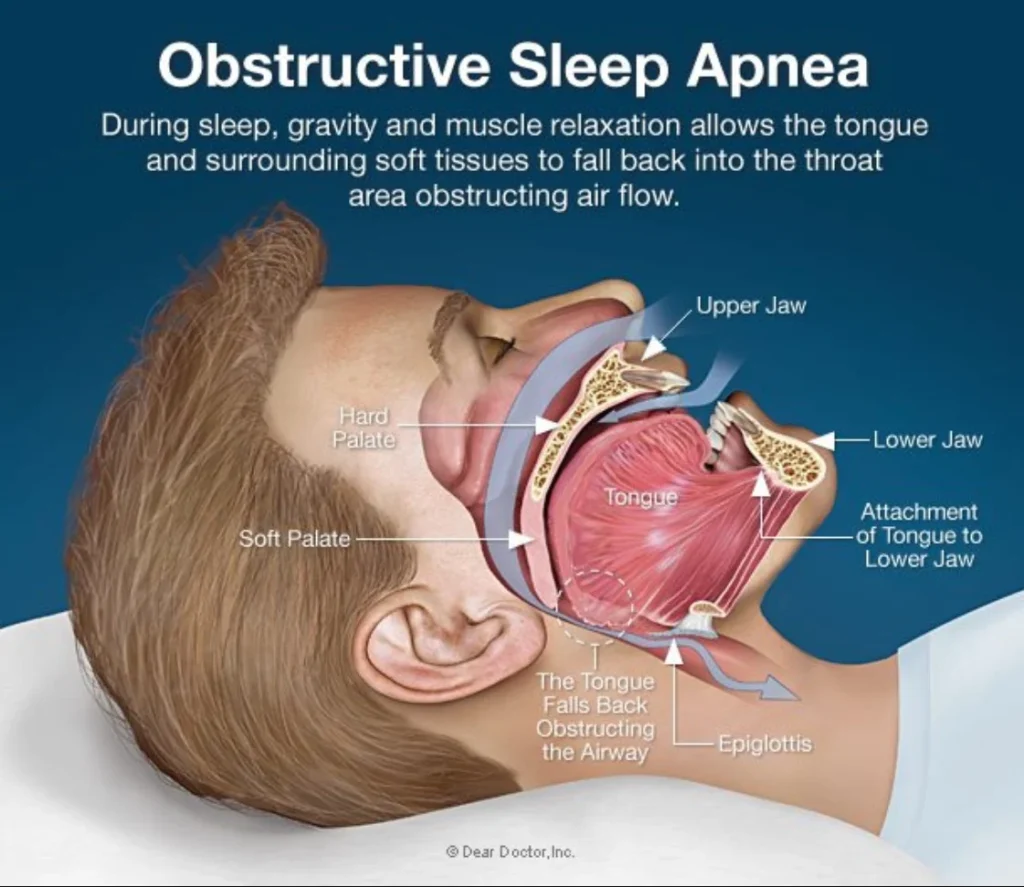
Yes, snoring can crush sleep for both people in the room. Yes, mouthpieces are one of the most talked-about tools right now, right alongside trackers, apps, and every new “sleep optimization” trend. And yes, the basics matter more than most people think: timing, fit, comfort, and cleanup.
Overview: Why snoring is getting so much attention
Snoring isn’t just a punchline. It’s also a sleep-quality problem that shows up in real life: travel fatigue after a red-eye, burnout weeks where you fall asleep on the couch, and relationships where one person becomes the “light sleeper” by necessity.
That’s why anti-snore devices keep popping up in mainstream roundups and dental discussions. Market forecasts and consumer lists are basically saying the same thing: people want a practical fix that doesn’t require a full bedroom remodel.
If you want a quick outside reference on the clinical side of the conversation, see this link on Europe Anti-snoring Device Market Size and Forecast 2025–2033.
Timing: When to test a mouthpiece (and when to pause)
Best time to start: a low-stakes week. Not the night before a big presentation. Not the first night of a trip. Give yourself a few nights where “good enough” sleep is acceptable.
Do a quick safety check first: If you have loud snoring plus choking/gasping, significant daytime sleepiness, or a history of sleep apnea, get medical guidance. A mouthpiece can be helpful for some people, but it’s not a substitute for evaluation when red flags show up.
Also pause if: you have severe jaw pain, loose teeth, untreated dental issues, or you wake with new bite changes. Comfort matters, but safety matters more.
Supplies: What you need for a clean, comfortable routine
- Your mouthpiece and its storage case
- Mirror and good lighting (fit mistakes happen in low light)
- Mild soap and a soft toothbrush (separate from your regular brush)
- Cool or lukewarm water (hot water can deform some materials)
- Optional: nasal support if congestion drives mouth breathing
If you’re shopping, start here: anti snoring mouthpiece. Then focus on fit and follow-through, not hype.
Step-by-step (ICI): Insert → Check → Improve
This is the no-drama workflow. It takes about 10 minutes the first night and less after that.
1) Insert: set up for comfort, not toughness
Brush your teeth, rinse, and start with relaxed jaw posture. Insert the mouthpiece gently. Don’t clamp down like you’re testing a helmet.
If your device is adjustable, change only one setting at a time. Small moves beat big jumps.
2) Check: confirm position, breathing, and seal
Use a mirror. Confirm it sits evenly and doesn’t pinch gums. Then check your breathing: can you comfortably breathe through your nose with lips closed?
If you instantly pop your mouth open, don’t force it. That often points to congestion, poor fit, or a “too aggressive” jaw position.
3) Improve: dial in the three levers that matter
- Comfort: A mild “new device” feeling is common. Sharp pain is not.
- Positioning: Aim for stable, repeatable placement. Consistency is what makes results trackable.
- Cleanup: Rinse after use, gently brush with mild soap, and air-dry fully before storing.
Track one simple outcome for a week: “Did I wake up less?” or “Did my partner nudge me less?” Wearables can help, but you don’t need a dashboard to notice better nights.
Mistakes that waste money (and sleep)
Going too hard on night one
People crank adjustments fast because they want an instant win. That can backfire with soreness and early quitting. Make changes gradually.
Ignoring nasal congestion
If your nose is blocked, you’ll mouth-breathe. Mouth-breathing can keep snoring alive even with a mouthpiece. Address the basics like allergies, dryness, and bedroom air.
Skipping the “morning reset”
Some people feel temporary bite stiffness after waking. Gentle jaw movement and normal morning routine often help. If bite changes persist, stop using the device and get dental advice.
Dirty device, bad taste, quick abandonment
Cleanup is not optional. A funky mouthpiece becomes a device you “forget” to wear. Keep the routine simple so it sticks.
Assuming snoring is always “just snoring”
Snoring can overlap with sleep-disordered breathing. If symptoms suggest sleep apnea, get evaluated. It’s a health issue, not a willpower issue.
FAQ
Is an anti snoring mouthpiece the same as a CPAP?
No. A mouthpiece is typically worn in the mouth to support jaw or tongue position. CPAP uses air pressure and is usually prescribed for sleep apnea.
How fast should an anti snoring mouthpiece feel “normal”?
Many people need several nights to adjust. If pain, numbness, or bite changes persist, stop and talk with a dentist or clinician.
Can I use a mouthpiece if I have TMJ or jaw pain?
Be cautious. Some designs can aggravate TMJ symptoms. Get dental guidance if you have jaw clicking, locking, or chronic pain.
Do nasal dilators replace a mouthpiece?
Not always. Nasal aids can help airflow through the nose for some people, but snoring can also come from mouth breathing or jaw position.
What’s the easiest way to clean a mouthpiece?
Rinse after use, brush gently with mild soap, and let it fully air-dry. Avoid hot water that can warp some materials.
CTA: Make your next step simple
If snoring is cutting into sleep quality, don’t rely on vibes or viral hacks. Pick one tool, set it up correctly, and test it consistently for a week.
How do anti-snoring mouthpieces work?
Medical disclaimer: This article is for general education only and isn’t medical advice. Snoring can be a sign of obstructive sleep apnea or other conditions. If you have choking/gasping, significant daytime sleepiness, chest pain, or persistent symptoms, seek evaluation from a qualified clinician or dentist.