
Myth: Snoring is just a funny quirk—and the only fix is buying the newest sleep gadget.
Reality: Snoring is often a signal that airflow is getting messy at night. Better sleep sometimes starts with a simple, well-chosen tool, like an anti snoring mouthpiece, plus a quick safety screen.
Right now, sleep tech is everywhere. People are comparing devices the way they compare headphones. Add travel fatigue, late-night scrolling, and workplace burnout, and it’s no surprise “quiet sleep” has become a household negotiation.
First: a quick safety screen (don’t skip this)
If any of the points below sound familiar, treat snoring as a health issue first, not a shopping problem.
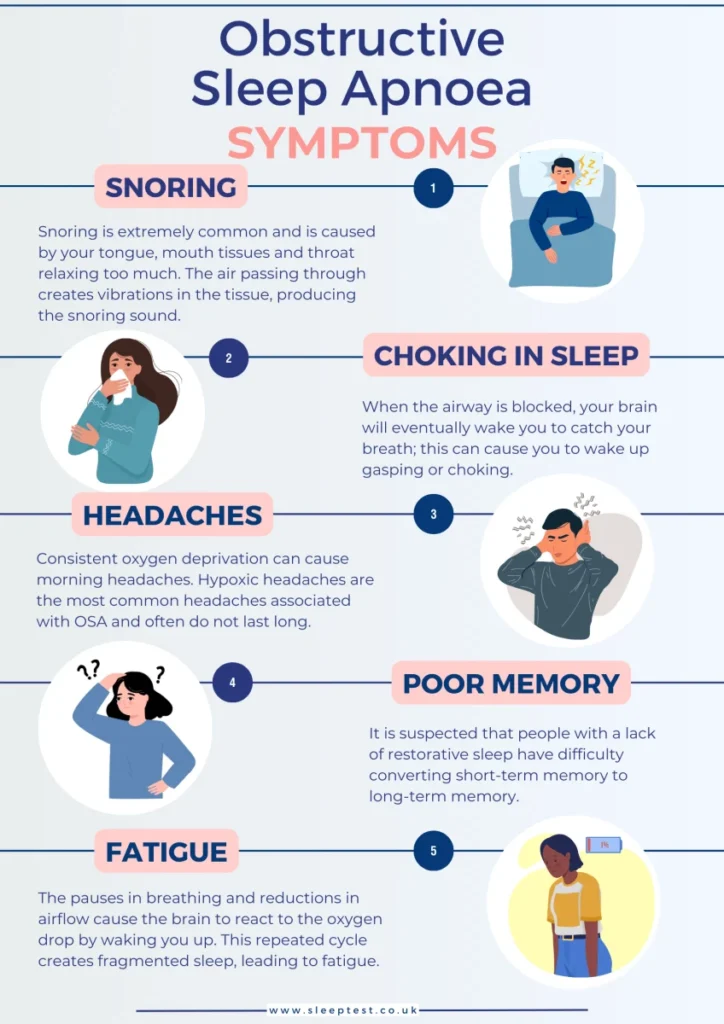
- If breathing pauses, choking, or gasping show up, then consider evaluation for sleep apnea before self-treating.
- If you have chest pain, fainting, or severe shortness of breath, then seek urgent care.
- If you have significant TMJ pain, loose teeth, or major dental work in progress, then talk with a dentist before using jaw-advancing devices.
Medical note: Poor sleep has been in the headlines for broader health reasons, including cardiovascular risk discussions. The takeaway is simple: don’t normalize chronically bad sleep.
The 5-step decision guide (If…then…)
1) If snoring is occasional and tied to lifestyle, then start with basics
If snoring spikes after late dinners, alcohol, or a brutal workweek, then begin with habit-level fixes for 1–2 weeks. Keep it boring and consistent. Many expert-backed sleep tips are still the classics: stable bedtime, cool/dark room, and less alcohol close to sleep.
If you travel often, then assume your body is playing catch-up. Dry hotel air, odd pillows, and jet lag can all make snoring louder.
2) If your nose is the bottleneck, then consider nasal-first options
If you mainly snore when congested, then nasal strips or dilators may help. A recent systematic review on nasal dilators suggests mixed results overall, which fits real life: they can be useful for the right person, not magic for everyone.
If allergies are in play, then focus on reducing nighttime triggers (clean bedding, air quality). Avoid starting multiple new products at once, or you won’t know what helped.
3) If you snore most nights and your partner is losing sleep, then a mouthpiece is worth a look
If snoring is frequent, then an anti snoring mouthpiece can be a practical next step. Many options are designed to gently position the jaw forward to reduce airway collapse. That’s why mouthpieces show up again and again in “best anti-snore device” roundups.
To compare what’s trending, you can scan a roundup like We Consulted Sleep Doctors To Find The 4 Best Anti-Snore Devices. Use it as a shortlist, not a diagnosis.
4) If you breathe through your mouth or your jaw drops open, then consider a combo approach
If you wake with a dry mouth and your partner notices open-mouth snoring, then jaw position and mouth opening may both be part of the pattern. In that case, a combo can be appealing.
Example: anti snoring mouthpiece. Keep expectations realistic. Comfort and consistency matter more than “max strength.”
5) If you choose a mouthpiece, then document your choice (it keeps you safer)
If you’re trying a mouthpiece, then write down three things before night one: (1) baseline snoring frequency, (2) morning jaw comfort, and (3) daytime sleepiness. Re-check weekly.
- Fit: If it causes sharp pain, tooth pain, or numbness, then stop.
- Hygiene: If you can’t commit to cleaning and drying it properly, then don’t use it. Dirty devices raise infection and odor risks.
- Materials: If you have sensitivities, then look for clear material info and return policies.
- Red flags: If snoring improves but you still feel exhausted, then consider a sleep evaluation.
What people are talking about right now (and how to filter the noise)
Sleep conversations have shifted from “just get eight hours” to “optimize everything.” Wearables score your night. Apps coach your breathing. Even office chatter about burnout now includes sleep quality.
Here’s the filter: if a trend doesn’t help you breathe easier, sleep longer, or wake more refreshed, it’s entertainment. A mouthpiece is unglamorous, but it targets a common snoring mechanism.
FAQ: quick answers before you buy
Can I use a mouthpiece if I have dental work?
Maybe. If you have crowns, implants, braces, or gum issues, check with your dentist first to avoid damage or bite changes.
What if my partner says my snoring is “suddenly worse”?
Treat sudden changes seriously. Illness, weight changes, alcohol, or new medications can play a role. If breathing pauses occur, seek evaluation.
Is louder snoring always more dangerous?
Not always. Loudness doesn’t perfectly match risk. Symptoms like sleepiness, headaches, and witnessed pauses matter more.
Next step: pick one path and test it for 14 nights
If you’re tempted to buy three gadgets at once, pause. Choose one approach, track results, and adjust. That’s how you reduce wasted money and reduce risk.
How do anti-snoring mouthpieces work?
Medical disclaimer: This article is for general education and does not provide medical advice, diagnosis, or treatment. If you suspect sleep apnea, have significant daytime sleepiness, or experience choking/gasping at night, consult a qualified clinician.