
Before you try another “miracle” sleep gadget, run this quick checklist:
- Confirm the problem: Is it snoring, poor sleep quality, or both?
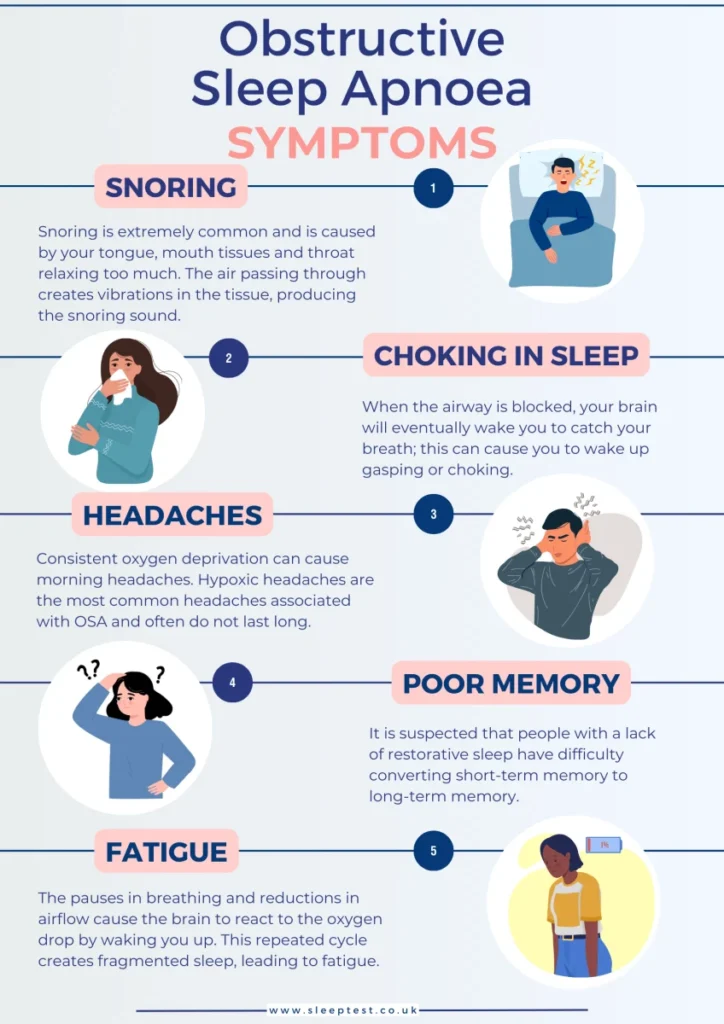
- Screen for red flags: choking/gasping, morning headaches, high blood pressure, severe daytime sleepiness.
- Check the context: travel fatigue, alcohol, allergies, burnout, or a new sleep schedule can spike snoring.
- Pick one change at a time: otherwise you won’t know what worked.
- Document results: partner feedback, a simple sleep log, or snore recordings.
Snoring is having a cultural moment again. Between wearable sleep scores, “smart” pillows, and relationship jokes about the guest room, it’s easy to buy fixes faster than you can test them. Meanwhile, headlines keep circling the same point: sleep health is serious, and the anti-snore device market keeps expanding.
Is snoring just annoying, or a real sleep-health issue?
Sometimes it’s just noise. Sometimes it’s a sign your airflow is being squeezed enough to vibrate soft tissue. Either way, snoring can trash sleep quality for two people at once.
Here’s the grounded take: if you’re snoring plus you feel wrecked during the day, don’t treat it like a punchline. Also, don’t assume “no snoring” means “no risk.” Some people can have sleep apnea even if they don’t snore.
If you want a quick read on that theme, see Europe Anti-snoring Device Market Size and Forecast 2025–2033.
What are people trying right now for sleep quality (and why)?
Current sleep trends lean “tech-first”: trackers, white noise apps, temperature-controlled bedding, and travel-friendly gadgets for hotel rooms. It makes sense. People are juggling late-night screens, early meetings, and the low-grade hum of workplace burnout.
The downside is scattershot testing. If you change your pillow, start mouth taping, add magnesium, and buy a snore ring in the same week, you’ll learn nothing. Snoring is already variable. Don’t make your experiment messy.
Where does an anti snoring mouthpiece fit in?
An anti snoring mouthpiece is usually designed to change the position of your jaw or tongue during sleep. The goal is simple: keep the airway more open so there’s less vibration and less collapse.
That’s why mouthpieces keep showing up in “best anti-snore device” roundups and consumer-style reviews. They’re a direct, non-surgical approach. They also don’t depend on batteries, Wi‑Fi, or whether your app updated overnight.
Who tends to like mouthpieces
- People whose snoring is worse on their back
- Couples who want a quieter solution that doesn’t fill the room with gear
- Travelers who need something packable (and who already know jet lag makes snoring louder)
Who should slow down and screen first
- Anyone with suspected sleep apnea symptoms (gasping, witnessed pauses, severe daytime sleepiness)
- People with significant jaw pain, TMJ issues, loose teeth, or major dental work concerns
- Those who notice bite changes or new tooth pain after trying an oral device
What questions should you ask before buying a mouthpiece?
Use these as a decision filter. It keeps you from impulse-buying the loudest ad in your feed.
1) What problem am I solving: noise, sleep quality, or both?
If your partner complains but you feel fine, your “success metric” is mostly snore reduction. If you feel foggy and run down, track daytime energy too. Snoring volume and sleep quality don’t always move together.
2) How will I know it’s working?
Pick two signals and stick to them for two weeks: partner ratings, snore recordings, and how you feel at midday are practical. Avoid chasing perfect sleep scores. Many trackers are useful, but they’re not a diagnosis.
3) What’s my comfort and safety plan?
Comfort matters because you can’t benefit from something you won’t wear. Safety matters because oral devices can cause jaw soreness or tooth discomfort in some users.
Set a simple rule: if pain shows up, if your bite feels “off,” or if symptoms worsen, stop and get professional guidance. That’s not being dramatic. It’s being careful.
4) Am I ignoring the basics that make snoring worse?
Snoring often spikes with alcohol near bedtime, nasal congestion, and irregular sleep schedules. Travel fatigue can also push you into deeper, more fragmented sleep. Fixing these doesn’t replace a device, but it can make any device work better.
How do you choose among mouthpiece options without getting fooled?
Keep it boring. “Boring” is good when you’re putting something in your mouth for hours.
- Fit and adjustability: a better fit often means better comfort and consistency.
- Materials and cleaning: look for clear guidance so you can keep it hygienic.
- Return policy and support: your first pick may not match your anatomy.
If you’re comparing styles, start here: anti snoring mouthpiece.
What if the real issue is sleep apnea?
This is the part many people skip because it’s less fun than shopping for gear. Snoring can be benign, but sleep apnea is a medical condition that needs proper evaluation.
If you have loud snoring plus choking/gasping, witnessed breathing pauses, or heavy daytime sleepiness, prioritize screening. If you don’t snore but you have those symptoms, screening still matters.
Common couple problems: “It’s not just the snoring”
Snoring arguments are rarely just about sound. They’re about lost sleep, separate bedrooms, and the creeping resentment of being tired at work. Add burnout and a packed calendar, and patience gets thin fast.
A practical compromise: treat snoring like a shared project for two weeks. One person tests the intervention. The other tracks outcomes. Keep it light, but keep it honest.
Quick medical disclaimer
This article is for general information only and isn’t medical advice. It doesn’t diagnose or treat any condition. If you suspect sleep apnea or have jaw/dental pain, talk with a qualified clinician or dentist for personalized guidance.
Next step: