
Five quick takeaways before you buy another sleep gadget:
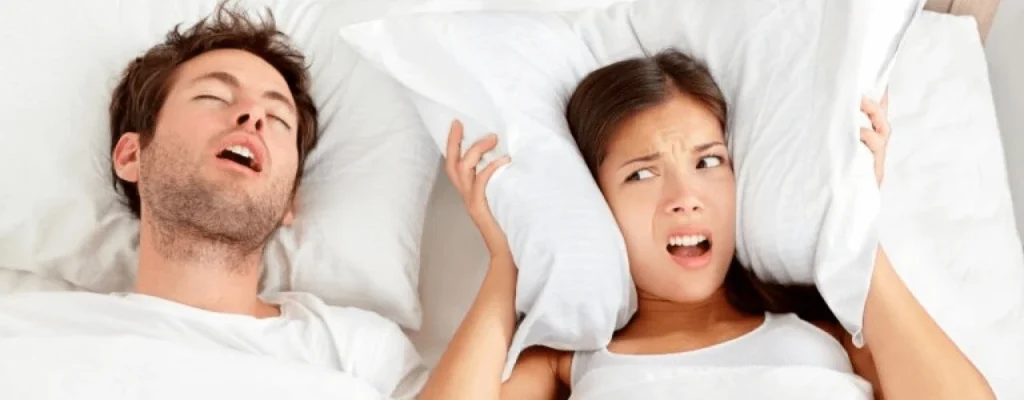
- Snoring isn’t just noise. It can chip away at sleep quality and relationships fast.
- An anti snoring mouthpiece can help when jaw or tongue position narrows the airway.
- You can still have sleep apnea even if you don’t snore, so symptoms matter more than volume.
- Travel fatigue, burnout, and alcohol can make “normal snoring” suddenly feel unbearable.
- The best plan is simple: reduce triggers, pick the right device category, and watch for red flags.
Why is snoring suddenly a bigger deal in so many homes?
People are talking about sleep like it’s a performance metric now. Wearables score it. Apps gamify it. Even office chatter has shifted from “busy” to “burned out.”
In that climate, snoring stops being a quirky habit and starts feeling like a nightly disruption with consequences. It’s also a relationship stressor. One person can’t sleep, the other feels blamed, and everyone’s patience runs out by breakfast.
It’s not surprising that the anti-snoring device space keeps getting attention, including market forecasts and “best device” roundups. When a problem shows up nightly, people want an immediate, practical fix.
What does snoring do to sleep quality (beyond waking someone up)?
Snoring can fragment sleep for the snorer, too. Micro-arousals can happen even if you don’t fully wake up. The result is that “I slept eight hours” feeling turns into “Why am I still exhausted?”
It can also create a stress loop. The non-snoring partner starts anticipating the noise. The snorer starts dreading the conversation. That tension makes falling asleep harder for both of you.
How do anti-snoring mouthpieces fit into today’s sleep-health trend?
Mouthpieces are popular because they’re tangible and low-tech. In a world of charging cables and subscriptions, a physical device you can pack for a work trip feels refreshingly direct.
Most anti-snoring mouthpieces aim to keep the airway more open during sleep by adjusting jaw or tongue position. That can reduce the vibration that creates snoring in some people.
If you want to read more about the broader discussion that snoring isn’t the only sign to watch, this search-style resource is a helpful starting point: Europe Anti-snoring Device Market Size and Forecast 2025–2033.
Which “real life” situations make snoring worse right now?
Is travel fatigue making your snoring louder?
Travel changes everything at once: sleep timing, hydration, alcohol intake, and congestion from dry hotel air. Add a new pillow and a different sleep position, and snoring can spike for a few nights.
Is workplace burnout changing your sleep?
Stress can push people toward lighter sleep, irregular schedules, and late-night scrolling. None of that helps breathing stay calm and steady. The snoring problem may feel new, but the root might be lifestyle pressure.
Is “relationship humor” hiding a real issue?
Jokes about sleeping on the couch are common. Still, if one partner is consistently losing sleep, it becomes a health issue and a communication issue. A plan beats a punchline.
How do you know if an anti snoring mouthpiece is worth trying?
Start with a simple question: does your snoring seem tied to jaw position, mouth breathing, or sleeping on your back? If yes, a mouthpiece may be a reasonable next step.
It also helps if your goal is straightforward: reduce noise, improve sleep continuity, and lower nightly friction at home. That’s different from trying to treat every possible sleep complaint with one device.
If you’re exploring a combined approach, some people look at options that pair jaw support with a strap to encourage closed-mouth breathing. Here’s an example product category link: anti snoring mouthpiece.
What are the red flags that mean “don’t just self-experiment”?
Snoring can be benign, but it can also overlap with more serious sleep-breathing problems. Don’t rely on volume alone.
Consider medical evaluation if you notice any of the following:
- Gasping, choking, or witnessed pauses in breathing
- Severe daytime sleepiness or dozing off unintentionally
- Morning headaches, persistent dry mouth, or concentration problems
- High blood pressure concerns or significant cardiometabolic risk factors
What else can you do tonight that supports a mouthpiece (or replaces it)?
Device or not, stack the basics. Small changes often reduce snoring intensity enough to matter.
- Side-sleep support: A pillow setup that makes back-sleeping less likely.
- Nasal comfort: Manage dryness and congestion so you’re not forced into mouth breathing.
- Timing: Avoid heavy meals and alcohol too close to bedtime when possible.
- Bedroom diplomacy: Agree on a plan and a trial window, not nightly negotiations at 2 a.m.
FAQ: quick answers people ask before buying
Is snoring always a health problem?
Not always. It can be situational. Still, it’s worth addressing because it can disrupt sleep and may signal airway issues in some cases.
Will a mouthpiece fix snoring from a cold?
It may not. Congestion can overwhelm any device strategy. Focus on nasal comfort and recovery first.
Can a mouthpiece cause jaw soreness?
It can, especially early on. Persistent pain or bite changes are reasons to stop and seek professional guidance.
Next step: pick one plan and test it
If snoring is affecting sleep quality and your relationship, a short, structured trial beats endless scrolling through gadget reviews. Choose one approach, track how you feel, and reassess.
How do anti-snoring mouthpieces work?
Medical disclaimer: This article is for general education only and isn’t medical advice. It does not diagnose, treat, or replace care from a licensed clinician. If you suspect sleep apnea or have significant symptoms (gasping, witnessed pauses, severe sleepiness), seek professional evaluation.