
Snoring used to be a punchline. Now it’s showing up in sleep-tracker charts, gadget ads, and group chats after a rough week.
Between travel fatigue, burnout, and “biohacking” trends, more people are chasing deeper sleep—and fewer midnight elbow jabs.
Thesis: If snoring is hurting sleep quality, an anti snoring mouthpiece can be a practical tool, but it works best when you pair it with smart habits and the right safety checks.
The big picture: why snoring feels louder lately
Sleep has become a performance metric. Rings, watches, and bedside sensors rate your night like a report card.
That’s helpful, but it also makes snoring harder to ignore. When your “sleep score” tanks after a business trip or a stressful deadline, you start looking for a fix.
Snoring vs. “bad sleep”: not the same thing
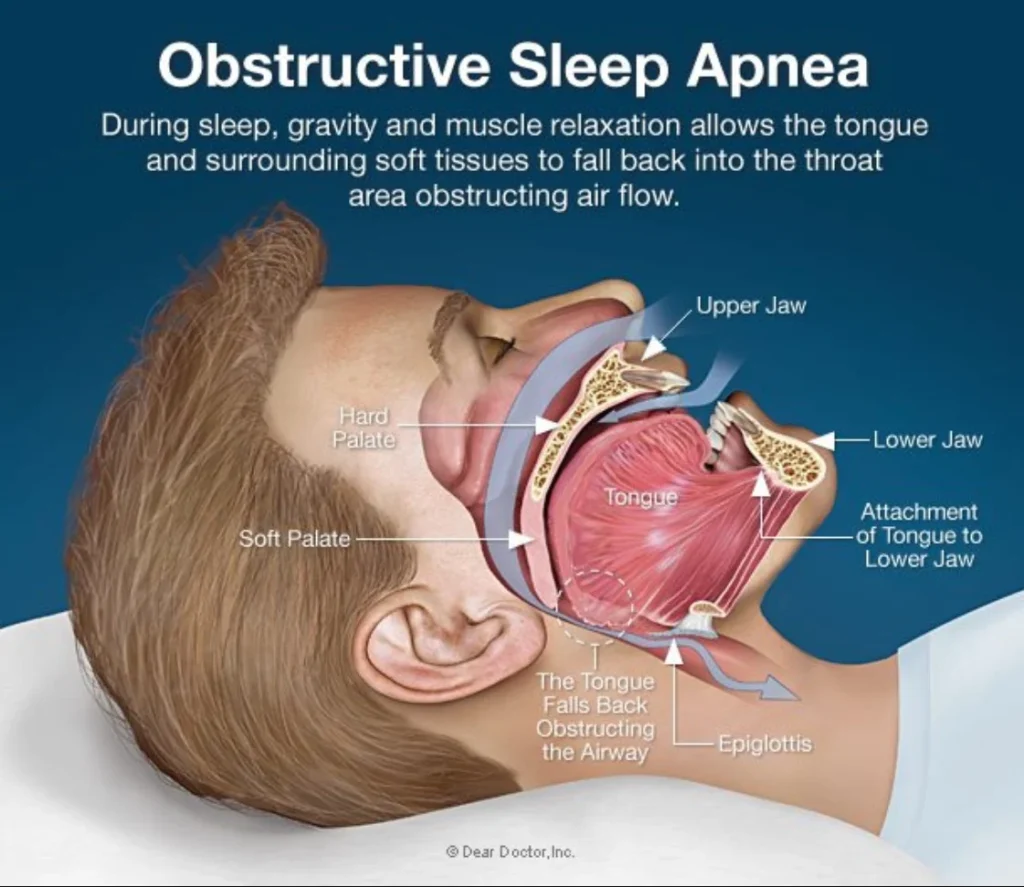
Snoring is vibration from partially blocked airflow. Poor sleep quality can come from snoring, but also from stress, alcohol, late meals, reflux, noise, or inconsistent schedules.
Also, snoring isn’t the only red flag for sleep apnea. Some people have sleep apnea without classic snoring, which is why symptoms and risk factors matter.
Why the heart-health angle keeps popping up
Recent health coverage has tied nighttime habits to long-term risk, including cardiovascular concerns. The takeaway isn’t to panic. It’s to treat sleep as a health pillar, not a luxury.
If you want a general reference point for the kind of discussion people are reacting to, see this related coverage: Yes, You May Have Sleep Apnea Even If You Don’t Snore.
The emotional part: snoring isn’t just “your problem”
Snoring often becomes a relationship issue before it becomes a medical conversation. One person can’t sleep. The other feels blamed for something they’re not doing on purpose.
It can also hit confidence. People avoid trips, sharing rooms, or even falling asleep first because they’re worried about the noise.
A quick reality check for couples
Snoring solutions work best when they’re framed as a shared sleep goal. Think: “Let’s protect both of our sleep,” not “You need to fix this.”
That small shift reduces tension and makes it easier to test options consistently.
Practical steps: what to try before and alongside a mouthpiece
Start with the basics that influence airway tone and sleep depth. These don’t require fancy gear.
1) Rebuild your schedule after travel or late nights
When your body clock is off, sleep gets lighter. Lighter sleep can mean more tossing, more mouth breathing, and more snoring.
Pick a steady wake time for a week. Add morning light and a short walk if you can.
2) Audit the “night cap” and the late meal
Alcohol can relax airway muscles and worsen snoring for some people. Heavy or late meals can also interfere with breathing comfort, especially if reflux is in the mix.
You don’t need perfection. Try a simple experiment: reduce alcohol and finish dinner earlier for several nights, then compare.
3) Try side-sleeping support
Back sleeping can make snoring more likely for many people. A pillow strategy or positional support can reduce it.
If side-sleeping helps but doesn’t fully solve it, that’s a useful clue when you consider devices.
Where an anti snoring mouthpiece fits (and why it’s popular)
An anti snoring mouthpiece is often designed to gently position the lower jaw forward or stabilize the tongue. That can help keep the airway more open during sleep.
People like mouthpieces because they’re portable, relatively simple, and don’t require power. They also fit the current “sleep gadget” moment without adding another app to your phone.
Who tends to benefit most
- Habitual snorers whose snoring is worse on their back
- People with jaw-position-related snoring (often noticed by dentists or through trial)
- Travelers who want a compact option for hotels and shared rooms
Who should be cautious
- Anyone with significant jaw pain, TMJ flare-ups, or bite changes
- People with loose teeth, gum disease, or major dental work that could be stressed
- Those with signs of moderate to severe sleep apnea who haven’t been evaluated
Shopping mindset: don’t chase “most viral,” chase “most tolerable”
Headlines and roundups often spotlight anti-snore devices, which can be useful for comparison. Still, the best device is the one you can wear consistently without pain.
If you’re comparing options, start with comfort, adjustability, and clear instructions. For a place to explore related options, you can review anti snoring mouthpiece.
Safety and testing: how to know if you’re missing something bigger
Snoring can be “just snoring,” but it can also be part of sleep-disordered breathing. Pay attention to patterns, not one-off nights.
Consider a sleep evaluation if you notice:
- Choking, gasping, or witnessed breathing pauses
- Excessive daytime sleepiness, brain fog, or irritability
- Morning headaches or dry mouth that keeps happening
- High blood pressure or cardiovascular risk factors
A simple two-week “snore + sleep quality” trial
Whether you use a mouthpiece or not, run a short experiment. Keep notes on bedtime, alcohol, sleep position, and how you feel in the morning.
Use your sleep tracker if you like, but don’t let it be the only judge. Your daytime energy and mood matter.
FAQ: quick answers people ask right now
Do anti-snoring mouthpieces help sleep quality?
They can, especially if they reduce awakenings from snoring and improve airflow comfort. Better sleep quality usually shows up as fewer disruptions and better daytime alertness.
Is loud snoring always sleep apnea?
No, but loud and frequent snoring raises suspicion, particularly with gasping or daytime sleepiness. A clinician can help you sort that out.
Can I use a mouthpiece if I grind my teeth?
Sometimes, but it depends on the device and your teeth/jaw health. A dentist can help you avoid worsening jaw symptoms or bite changes.
Next step: pick one change you’ll actually stick with
If your sleep is getting squeezed by stress, travel, or a partner’s snoring, keep it simple. Choose one habit change and one tool to test for two weeks.
When snoring is the main disruptor, an anti snoring mouthpiece can be a reasonable place to start—especially if you also watch for signs that point to sleep apnea.
How do anti-snoring mouthpieces work?
Medical disclaimer: This article is for general education only and is not medical advice. It does not diagnose or treat any condition. If you suspect sleep apnea, have chest pain, severe daytime sleepiness, or worsening symptoms, seek care from a qualified clinician.