
At 2:13 a.m., someone quietly slides a pillow between two people like it’s a peace treaty. The snoring starts again anyway. By morning, there’s the familiar combo: foggy brain, short temper, and that weird feeling that you “slept” but didn’t recover.
That scene is showing up everywhere right now—on travel days, after late-night scrolling, and in the middle of burnout weeks. Sleep gadgets are trending, snoring devices keep getting reviewed, and people are trying to fix the problem at home without blowing money on another drawer of failed solutions.
The big picture: why snoring suddenly feels like a bigger deal
Snoring is more than a punchline. It can fragment sleep for the snorer and anyone within earshot. Even when you don’t fully wake up, micro-arousals can chip away at deep sleep and leave you running on low power.
Public conversation has also widened. Some recent coverage points out that sleep apnea can exist even without snoring, which matters because many people only take symptoms seriously when the sound is obvious.
There’s also renewed curiosity about wellness factors that might correlate with snoring, including nutrient status. You may have seen a Snoring at night? Low vitamin D might be playing a role. The takeaway isn’t that one vitamin “causes” snoring. It’s that people are looking for modifiable pieces of the puzzle—and trying to be smarter about what’s worth testing.
The human side: relationships, travel fatigue, and burnout sleep
Snoring hits hardest when life is already stretched. Travel fatigue can push you into mouth-breathing and weird sleep positions. Work stress can make sleep lighter and more reactive. Add a partner who’s also exhausted, and the “separate bedrooms” joke stops being funny.
If you’re feeling embarrassed, you’re not alone. Many people avoid sleepovers, dread business trips, or try to stay awake until their partner falls asleep first. That anxiety can become its own sleep disruptor.
Practical steps: a budget-first way to decide what to try
Before you buy another gadget, aim for a quick, low-effort triage. You’re trying to answer one question: is this likely simple snoring, or are there red flags that deserve medical attention?
Step 1: Do a 7-night “snore snapshot”
Pick one method and keep it simple: a snore recording app, a wearable trend, or a partner note. Track three things: how loud/frequent it is, whether you wake up dry-mouthed, and how you feel at 10 a.m.
Step 2: Try the no-cost changes that actually help many people
- Side-sleeping support: A body pillow or a backpack-style “don’t roll” trick can reduce positional snoring for some.
- Nasal airflow basics: If your nose is blocked at night, address the environment (humidity, allergens) and consider simple nasal supports.
- Timing: Alcohol close to bedtime and very late heavy meals can worsen snoring for many.
Step 3: Where an anti snoring mouthpiece fits
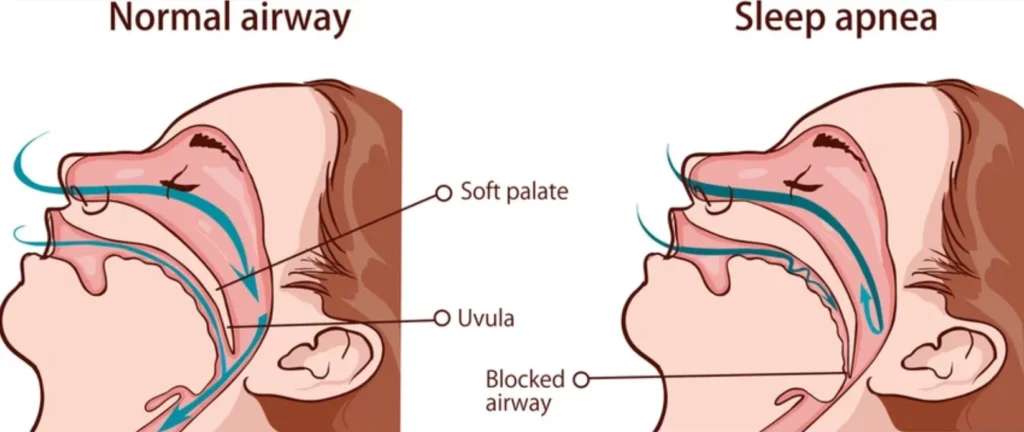
An anti snoring mouthpiece is often used when snoring seems tied to airway narrowing from jaw position or the tongue relaxing backward. Many designs work by gently moving the lower jaw forward or stabilizing the tongue so airflow stays more open.
People like mouthpieces because they’re a single tool you can test at home, especially when you want a practical alternative to chasing the newest sleep gadget. If you’re comparing options, start with reputable, clearly explained designs and realistic expectations. Here’s a helpful place to browse anti snoring mouthpiece.
Step 4: A “don’t-waste-a-cycle” decision rule
Give one change a fair trial instead of stacking five things at once. A simple pattern that works:
- Week 1: baseline tracking only.
- Week 2: add side-sleeping support or nasal airflow support.
- Week 3: if needed, trial a mouthpiece and keep everything else steady.
This keeps you from spending money without knowing what helped.
Safety and smart testing (so you don’t create a new problem)
Mouthpieces can be useful, but comfort and fit matter. If you wake up with jaw pain, tooth pain, or headaches, stop and reassess. A poor fit can irritate the jaw joint or shift pressure onto teeth.
Signs you should pause DIY and get checked
- Gasping, choking, or witnessed breathing pauses
- Severe daytime sleepiness or dozing off unintentionally
- Morning headaches that persist
- High blood pressure or heart risk factors alongside loud snoring
Also note the newer, widely shared point: you can have sleep apnea even if you don’t snore. If symptoms fit, it’s worth discussing testing with a clinician.
Medical disclaimer
This article is for general education and does not provide medical advice, diagnosis, or treatment. If you suspect sleep apnea or have significant symptoms, consult a qualified healthcare professional for evaluation and personalized guidance.
FAQs people are asking right now
Do anti-snoring mouthpieces help with sleep quality or just the noise?
If snoring is fragmenting sleep, reducing it may improve perceived sleep quality for the snorer and their partner. Results depend on the underlying cause.
What if snoring is worse when I’m traveling?
Travel can change sleep position, hydration, and nasal congestion. Start with side-sleep support and nasal airflow basics before assuming you need a new device.
Should I buy the “top reviewed” device I keep seeing?
Reviews can be useful, but prioritize fit, comfort, and a clear return policy. Your anatomy matters more than hype.
Can a mouthpiece replace a sleep study?
No. If you have red-flag symptoms, a mouthpiece shouldn’t delay evaluation for sleep apnea.
CTA: one next step that’s actually actionable
If you want a practical home trial without guesswork, start by learning the basics of how these devices change airflow and what to expect during adjustment.