
Before you try another fix tonight, run this quick checklist:
- Is the snoring new? Think travel fatigue, a cold, alcohol, or a brutal work week.
- Is someone else losing sleep? If your partner is nudging you at 2 a.m., it’s a relationship issue now, not just a noise issue.
- Are you chasing gadgets? The sleep-tech boom is real. Not every trending device fits your snoring type.
- Do you wake up wrecked? Snoring can be annoying, but poor sleep quality can also signal something bigger.
People are talking about anti-snore devices everywhere lately, from expert roundups to market forecasts. That’s not surprising. Burnout is high, travel is back, and sleep has become a “performance” topic at home and at work.
Snoring in 2026: why it’s suddenly everyone’s problem
Snoring used to be a punchline. Now it’s a nightly negotiation. Couples joke about “separate bedrooms,” but the stress is real when one person is up watching the ceiling.
At the same time, sleep trends keep pushing new solutions. Wearables, smart rings, mouth tape, white-noise machines, pillows with sensors. It’s easy to buy something just because it’s popular.
If you want a grounded baseline, start with evidence-based habits. This is where expert-backed sleep guidance can help you filter the noise. See Europe Anti-snoring Device Market Size and Forecast 2025–2033.
Decision guide: If this is your snoring, then try that
This is the simplest way to choose an anti snoring mouthpiece without guessing. Match the tool to the pattern.
If you snore mostly on your back, then consider a mouthpiece first
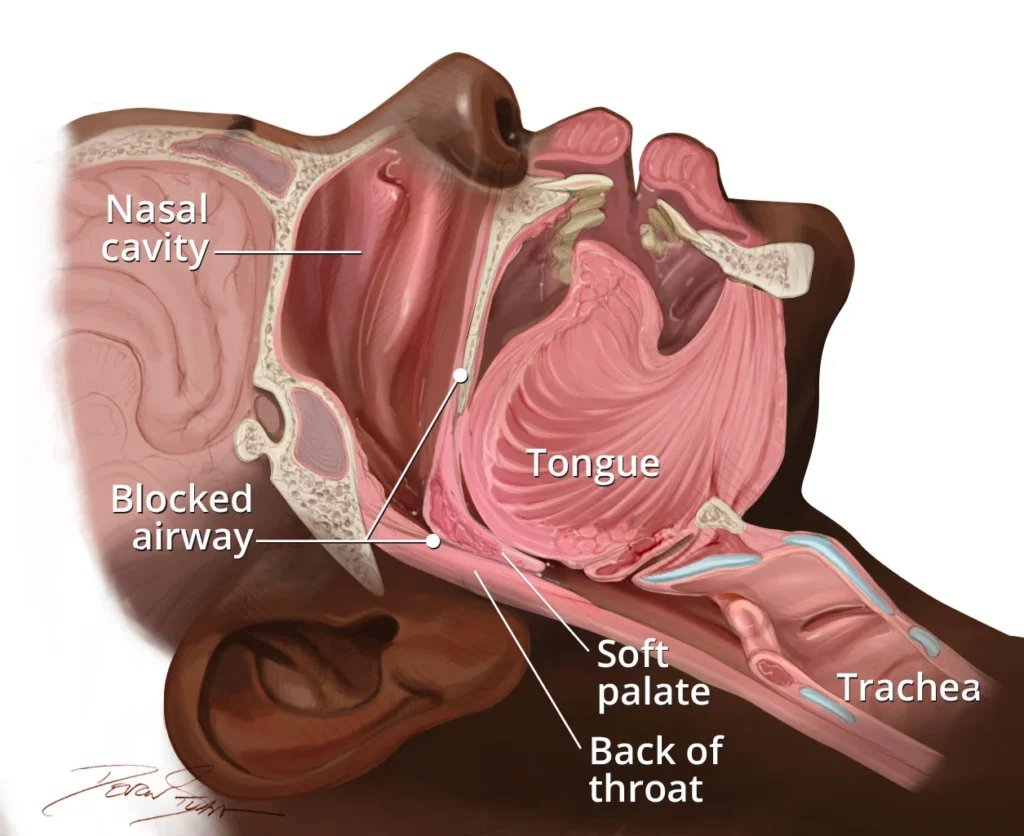
Back-sleeping can let the jaw and tongue drift in a way that narrows airflow. Many mouthpieces aim to keep the airway more open by changing jaw or tongue position.
If your snoring is “position-dependent,” a mouthpiece may be a cleaner bet than buying your fifth specialty pillow.
If your partner says you stop breathing, then don’t DIY the problem
Snoring plus pauses, choking, or gasping needs medical attention. A mouthpiece might still be part of the solution, but you should rule out sleep apnea first.
Also pay attention to daytime sleepiness. If you’re nodding off in meetings, the issue isn’t just sound.
If your jaw or teeth get sore easily, then choose comfort and adjustability
Some people quit mouthpieces because the first nights feel weird. That’s common. What matters is fit and gradual adjustment.
Look for designs that prioritize comfort and a secure fit. If you have TMJ symptoms, dental work, or ongoing jaw pain, ask a clinician or dentist before using one.
If your snoring spikes after drinks, late meals, or travel, then fix the “inputs” too
Red-eyes, hotel beds, and late dinners can wreck sleep. Alcohol can also relax airway muscles. In those weeks, you may need both: better habits and a snoring aid.
Don’t turn a temporary season into a permanent shopping spree. Track what changes when your routine normalizes.
If the real problem is relationship stress, then make the plan together
Snoring can create resentment fast. One person feels blamed. The other feels ignored. A simple agreement helps: what you’ll try, for how long, and what “success” means.
Try a two-week experiment. Keep it practical: bedtime, sleep position, and one anti-snore tool at a time.
Where an anti snoring mouthpiece fits (and where it doesn’t)
A mouthpiece can be a strong middle-ground option. It’s less invasive than many medical devices and more targeted than general sleep gadgets.
- Best fit: loud snoring tied to jaw position, mouth breathing, or back-sleeping patterns.
- May not be enough: heavy nasal congestion, frequent nighttime breathing pauses, or severe daytime fatigue.
- Not a vibe-based purchase: pick it because your snoring pattern matches, not because it’s trending.
Quick buying filter: 5 questions before you commit
- Can I tolerate something in my mouth at night? If you can’t, start with other approaches.
- Do I need adjustability? Many people do better with gradual changes.
- How will I judge results? Partner report, fewer wake-ups, or less dry mouth in the morning.
- Am I treating snoring or treating exhaustion? They overlap, but they’re not identical.
- Do I have red flags? Pauses in breathing, chest pain, severe sleepiness—get checked.
FAQs: fast answers people ask at 1 a.m.
Do anti-snoring mouthpieces work for everyone?
No. They often help when jaw/tongue position contributes to snoring, but they won’t solve every cause.
What’s the difference between a mouthpiece and a nasal strip?
A mouthpiece targets the throat/airway by repositioning jaw or tongue. A nasal strip supports nasal airflow.
How long does it take to get used to an anti snoring mouthpiece?
Often several nights to a couple of weeks. Early side effects can include drooling or mild jaw soreness.
Can a mouthpiece improve sleep quality?
Yes, if it reduces snoring-related disruptions. If you still feel wiped out, look at sleep duration, stress, and medical causes too.
When should I talk to a clinician about snoring?
If you have gasping, witnessed pauses, high blood pressure, or major daytime sleepiness, ask a clinician to evaluate for sleep apnea.
Next step: pick a mouthpiece that matches your situation
If your pattern points toward a mouthpiece, compare features and comfort options before you buy. Start here: anti snoring mouthpiece.
How do anti-snoring mouthpieces work?
Medical disclaimer
This article is for general information only and isn’t medical advice. Snoring can be a sign of sleep apnea or other health conditions. If you have breathing pauses, choking/gasping, chest pain, severe daytime sleepiness, or concerns about your health, talk with a qualified clinician.