
Is your snoring wrecking your sleep quality?
Are you tempted by the latest sleep gadgets, but don’t want to waste another pay cycle?
And do you actually need an anti snoring mouthpiece, or is something else going on?
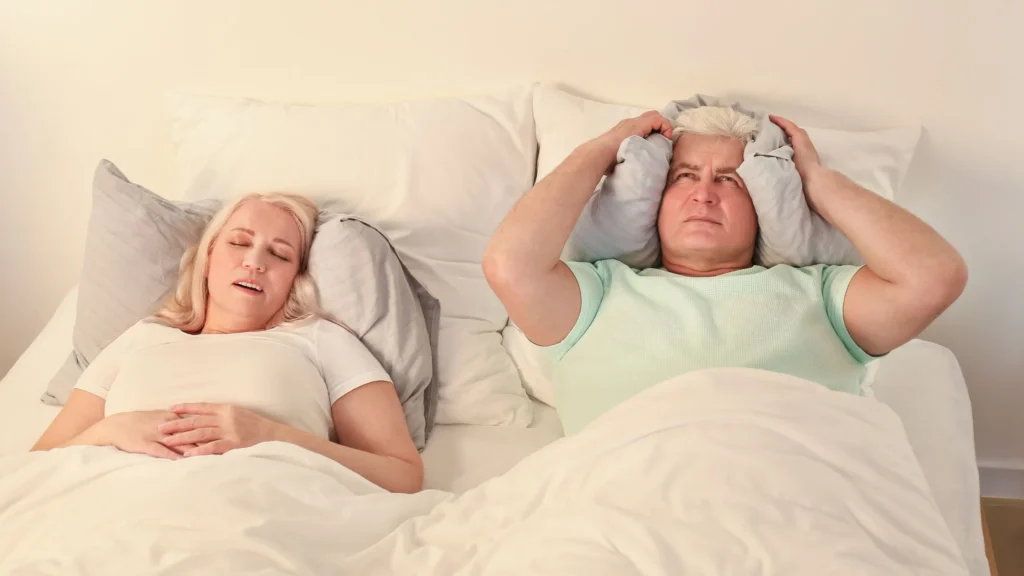
This guide answers those questions with a simple decision tree. It’s built for real life: travel fatigue, shared beds, workplace burnout, and the very modern habit of buying a “miracle” device at 1 a.m.
Start here: what snoring is (and what it isn’t)
Snoring is vibration from partially blocked airflow. That blockage can come from relaxed throat tissue, nasal congestion, sleep position, alcohol, or anatomy. Sometimes it’s just noise. Sometimes it’s a red flag.
One important nuance making the rounds lately: you can have sleep apnea even if you don’t snore. If you’re dealing with heavy daytime sleepiness, morning headaches, or witnessed breathing pauses, don’t self-diagnose your way out of an evaluation.
The no-waste decision guide (If…then…)
If snoring is new after travel, illness, or a brutal work stretch… then run a 7-night reset
Jet lag, hotel air, late meals, and stress can all make snoring louder. Before you buy anything, try a short reset for one week.
- Keep a consistent sleep window as much as you can.
- Avoid alcohol close to bedtime.
- Side-sleep when possible.
- Clear nasal stuffiness with simple, non-medicated comfort measures that are safe for you.
If the snoring fades, you likely don’t need a device. If it sticks around, keep going down the tree.
If you snore mostly on your back… then try position first, mouthpiece second
Back-sleeping can let the jaw and tongue fall backward. That’s why “positional” snoring is so common. You can test this cheaply by tracking which nights are loudest.
If side-sleeping helps but you can’t maintain it, an anti-snoring mouthpiece may still be worth a look. It can reduce the airway crowding that shows up when your muscles relax.
If your partner reports gasping, choking, or long pauses… then skip shopping and get evaluated
Relationship humor about snoring is everywhere for a reason. Still, gasping and breathing pauses aren’t a punchline. They can signal obstructive sleep apnea, which needs proper assessment and a tailored plan.
If you wake with a dry mouth and loud snoring… then check for mouth breathing triggers
Mouth breathing often goes with snoring, and it can be driven by nasal congestion or habit. Addressing nasal comfort and bedroom dryness may reduce the problem.
If mouth breathing continues and the snoring is persistent, an anti-snoring mouthpiece may help by supporting jaw position and airflow. Comfort matters here, so plan for an adjustment period.
If you want the most practical at-home device to trial… then consider an anti snoring mouthpiece
Sleep tech is trending hard: rings, mats, smart alarms, and apps that grade your “readiness.” Useful data is great, but it doesn’t always fix the noise.
A mouthpiece is a direct, mechanical approach. Many designs aim to gently bring the lower jaw forward to reduce airway narrowing during sleep. If your goal is fewer wake-ups and fewer complaints from the other side of the bed, this is often the most straightforward device category to test.
If you’re comparing products, start with comfort, adjustability, and clear use instructions. Here are anti snoring mouthpiece to review without getting lost in hype.
If you’re seeing “vitamin D” headlines… then treat it as a conversation starter, not a shortcut
You may have noticed recent talk linking low vitamin D with snoring. That’s interesting, but headlines aren’t a personal diagnosis. If you’re concerned about vitamin levels, discuss testing and supplementation with a qualified clinician.
For context on what’s being discussed in the news cycle, you can browse this coverage: Snoring at night? Low vitamin D might be playing a role.
What to expect from an anti-snoring mouthpiece (so you don’t quit too early)
Most people don’t fail because the idea is wrong. They fail because the first nights feel weird. Plan for a short adaptation window.
- Night 1–3: Drooling or dry mouth can happen. Mild jaw awareness is common.
- Week 1: Fit tweaks matter. If it’s painful, stop and reassess.
- Week 2: You should know if snoring volume and sleep interruptions are improving.
Keep the goal simple: fewer wake-ups, less friction with your partner, and better daytime energy. If you’re only chasing a perfect sleep score in an app, you can burn money fast.
Quick safety screen (don’t ignore these)
- Loud snoring plus choking/gasping or witnessed pauses
- High blood pressure, significant daytime sleepiness, or morning headaches
- Jaw pain, dental pain, or bite changes with a mouthpiece
Those are reasons to get professional guidance rather than pushing through discomfort.
FAQs
Do anti-snoring mouthpieces work for everyone?
No. They’re a good at-home trial for many people, but results depend on what’s causing your snoring.
Can you have sleep apnea even if you don’t snore?
Yes. Snoring is common with apnea, but it’s not required. Symptoms and risk factors matter.
Is it normal to feel jaw soreness at first?
Mild soreness can happen early on. Sharp pain, tooth pain, or bite changes are not “normal to push through.”
CTA: Make a smart trial, not a random purchase
If you’re ready to test a practical, at-home option, start with a mouthpiece that’s designed for snoring and has clear guidance. Then track results for two weeks.
How do anti-snoring mouthpieces work?
Medical disclaimer: This article is for general education only and isn’t medical advice. Snoring can be a sign of a sleep-related breathing disorder. If you have severe symptoms, breathing pauses, chest pain, or persistent daytime sleepiness, seek evaluation from a qualified healthcare professional.