
- Snoring is a sleep-quality problem, not just a punchline.
- Screen for red flags first (possible sleep apnea) before buying another gadget.
- An anti snoring mouthpiece can help when jaw/tongue position is the main issue.
- Trends are loud right now: wearables, “biohacks,” and supplement chatter (including vitamin D) are everywhere.
- Document what you try so you can tell what actually worked—and avoid wasting money.
Overview: why snoring is trending again
Snoring is having a moment in the headlines, and it’s not hard to see why. People are traveling more, sleeping in unfamiliar beds, and stacking late nights on top of work burnout. That combo turns “I’m fine” into “why am I exhausted?” fast.
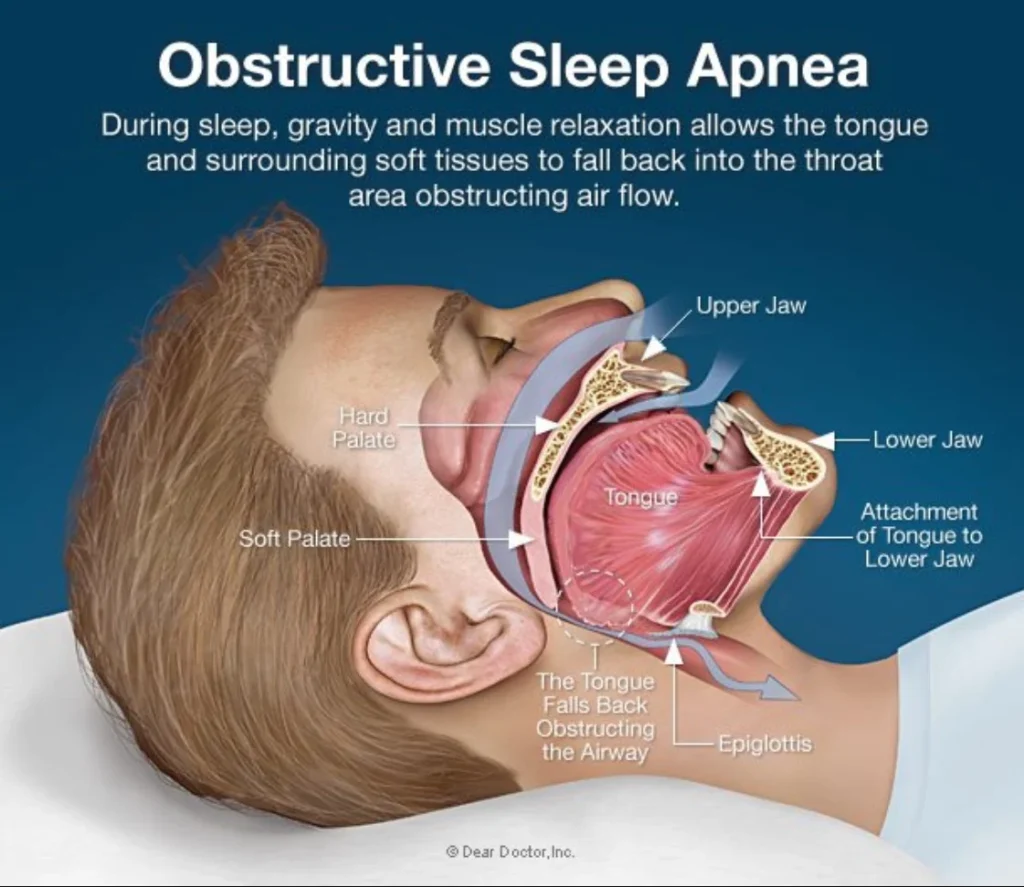
At the same time, sleep tech is booming. Rings, watches, white-noise machines, nasal strips, and mouthpieces are all competing for a spot on your nightstand. Some help. Some just create new habits to manage.
You may also see general talk about nutrients and snoring, including discussions around vitamin D. If you’re curious about the broader conversation, here’s a related read: Snoring at night? Low vitamin D might be playing a role.
Timing: when to act (and when to get screened)
Snoring that shows up after a rough week, a red-eye flight, or a few drinks can be situational. But if it’s frequent, loud, or paired with daytime fatigue, it deserves a more serious look.
Don’t “DIY” these red flags
- Breathing pauses noticed by a partner
- Choking or gasping during sleep
- Morning headaches, dry mouth, or severe sleepiness
- High blood pressure or heart risk factors
- Falling asleep at work or while driving
Those signs can point to sleep apnea, which needs clinician-led screening. A mouthpiece may still be part of the solution for some people, but you don’t want to guess.
Relationship reality check
Snoring jokes land until someone is sleeping on the couch for the third night in a row. If your partner is nudging you awake, recording you, or wearing earbuds to survive, it’s time to treat this like a shared sleep-health issue.
Supplies: what you need before you try a mouthpiece
Skip the “buy five things and hope” approach. Set up a simple kit so you can track results and reduce risks.
- A notes app or sleep log (snoring intensity, wake-ups, alcohol, congestion, travel days)
- A mirror and good lighting to check fit and gum irritation
- Basic cleaning supplies (soft brush, mild soap, a ventilated case)
- A plan for nasal support if congestion is common (saline rinse or strips, as appropriate)
- Partner feedback (simple: “better / same / worse”)
If you’re shopping, consider devices that combine approaches. For example, an anti snoring mouthpiece is designed for people who suspect mouth-breathing or jaw drop is part of the problem.
Step-by-step (ICI): Identify → Choose → Implement
This is the no-drama way to test an anti snoring mouthpiece without turning your bedroom into a gadget lab.
1) Identify your likely snoring pattern
- Mostly on your back: posture and jaw position may be drivers.
- Mostly with congestion: nasal airflow may be the bottleneck.
- Mostly after alcohol or late meals: timing and relaxation effects may be amplifying it.
- Every night, very loud: prioritize screening for sleep apnea.
Keep it simple. You’re not diagnosing yourself. You’re choosing a reasonable first experiment.
2) Choose a mouthpiece approach that matches the pattern
Many anti-snore mouthpieces aim to keep the lower jaw slightly forward so the airway is less likely to narrow. Others focus on tongue position. If your snoring seems tied to jaw drop or mouth breathing, a combo approach (mouthpiece + chin support) may be worth considering.
Safety note: if you have loose teeth, recent dental work, gum disease, or TMJ pain, check with a dentist first.
3) Implement with a 7-night test (and document it)
- Nights 1–2: prioritize comfort. Wear it for short periods before sleep if needed.
- Nights 3–5: track snoring feedback and how you feel in the morning.
- Nights 6–7: compare to your baseline nights (especially if travel fatigue or stress is improving).
Write down two numbers each morning: (1) partner-rated snoring (0–10) and (2) your sleepiness (0–10). That’s enough to spot a trend.
Mistakes that waste money (and can create new problems)
Buying a device to avoid an apnea conversation
If the red flags are there, don’t bargain with them. A mouthpiece can be helpful, but it shouldn’t be used to ignore possible sleep apnea.
Over-tightening or “powering through” jaw pain
Soreness can happen early on, but sharp pain, clicking, or headaches are a stop sign. Comfort matters because you need consistency for results.
Letting sleep trackers run the show
Wearables are great for patterns, not verdicts. If your tracker says you slept “fine” but you feel wrecked, trust your symptoms and get evaluated.
Skipping hygiene and storage
Clean the device as directed and let it dry. A damp case plus a warm nightstand is not the vibe.
FAQ
Can an anti snoring mouthpiece improve sleep quality?
It can, if snoring is disrupting your sleep stages or waking you up. The best signal is how you feel during the day and whether your partner reports fewer disruptions.
What if I only snore when I travel?
Travel fatigue, alcohol, dehydration, and new sleep positions can all make snoring worse. A mouthpiece may help, but also look at sleep timing, nasal congestion, and back-sleeping in unfamiliar beds.
Is snoring always unhealthy?
Not always, but it can be a sign of airway resistance or sleep-disordered breathing. Persistent loud snoring deserves attention, especially with daytime symptoms.
CTA: make a simple, trackable first move
If you want a practical option to test at home, consider starting with a mouthpiece approach and track results for a week. If you want a combined setup, you can review this anti snoring mouthpiece.
How do anti-snoring mouthpieces work?
Medical disclaimer: This article is for general education only and is not medical advice. Snoring can have many causes, including sleep apnea. If you have breathing pauses, choking/gasping, significant daytime sleepiness, or other concerning symptoms, seek evaluation from a qualified clinician.