
Before you try another snore “fix,” run this quick checklist:
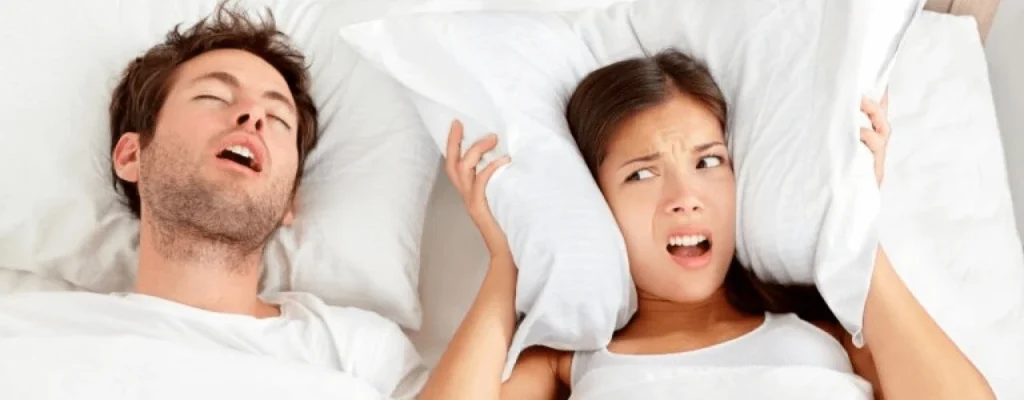
- Confirm the problem: Is it snoring noise, poor sleep quality, or both?
- Spot red flags: Choking/gasping, witnessed pauses in breathing, morning headaches, or extreme daytime sleepiness.
- Check the pattern: Worse on your back, after alcohol, during allergies, or after travel fatigue?
- Pick one lever: A single change you can measure for 7–14 nights.
- Choose the right tool: For many, that tool is an anti snoring mouthpiece.
Big picture: why snoring is suddenly “everywhere”
Snoring used to be a private annoyance. Now it’s part of the broader sleep-health wave: sleep trackers, smart rings, white-noise machines, and “optimize your recovery” talk. Even market and product-news coverage has gotten louder, with competitive reports and new launches shaping what shows up in your feed.
If you want a sense of the broader trend, skim this Anti-snoring Devices Market Competitive Landscape Report 2025: Top Players Analysis, Profiles, Strategic Developments, Mergers, Product Innovations and Launches, Sustainability Goals, Revenue Insights. The takeaway for regular people is simple: more options exist, but you still need a basic screening plan.
The human side: relationships, burnout, and “sleep humor”
Snoring jokes land because they’re relatable. One person is “just sleeping,” the other is doing mental math at 2:11 a.m. about whether the couch will ruin their back. Add workplace burnout and a packed travel schedule, and tolerance drops fast.
That tension matters. Poor sleep quality affects mood, patience, and focus. It also turns small health decisions into arguments. A practical approach helps both partners: define the goal (quieter nights, fewer wake-ups, better mornings) and test changes like you would any other habit.
Where an anti snoring mouthpiece fits (and where it doesn’t)
A mouthpiece is not a “sleep lifestyle” accessory. It’s a mechanical tool. Many designs aim to keep the airway more open by supporting jaw position or keeping the tongue from sliding back.
Good signs a mouthpiece may be worth testing
- Snoring is worse when you sleep on your back.
- Your partner reports steady snoring rather than clear pauses and gasps.
- You wake up with a dry mouth, but not with panic or choking.
- You want a non-drug option that travels well.
When to pause and consider a sleep-apnea check first
- Someone notices breathing pauses, choking, or gasping.
- You have severe daytime sleepiness or you’re dozing off unintentionally.
- Morning headaches, high blood pressure concerns, or persistent insomnia.
- New or worsening symptoms in midlife, including in women over 50.
Snoring and sleep apnea can overlap. If you’re unsure, treat it as a safety issue, not a willpower issue.
Practical steps: a 14-night plan you can actually follow
Step 1: Measure “better sleep” in plain terms
Pick two metrics. Keep it simple: (1) number of wake-ups and (2) partner-rated snoring volume (0–10). If you use a wearable, treat it as supporting data, not the final verdict.
Step 2: Remove obvious snore amplifiers
Try one change at a time for a few nights: side-sleeping, reducing late alcohol, addressing congestion, or adjusting pillow height. Travel fatigue can make all of this worse, so don’t judge your baseline during a brutal work trip.
Step 3: Add the mouthpiece test
If your pattern fits, trial an anti-snoring mouthpiece for 7–14 nights. Comfort and consistency matter more than “perfect” on night one. If you’re comparing options, start here: anti snoring mouthpiece.
Watch for improvements in noise and fewer jolting wake-ups. Also track jaw comfort in the morning. If the device makes you clench, ache, or feel worse, that’s useful information.
Safety and smart testing (don’t skip this part)
Common side effects to watch
- Jaw soreness, tooth discomfort, or gum irritation
- Dry mouth or extra saliva
- Bite changes that linger into the day
Minor adjustment discomfort can happen early. Sharp pain, worsening TMJ symptoms, or persistent bite changes are stop-signs.
What about “vitamins,” hacks, and trending health claims?
You may see headlines linking snoring to things like vitamin D status. Treat that as a prompt to think holistically about health, not a standalone snoring cure. Snoring usually has multiple drivers: anatomy, sleep position, nasal airflow, weight changes, alcohol, and sleep debt.
Medical disclaimer
This article is for general education only and is not medical advice. Snoring can be a sign of sleep apnea or other health conditions. If you have breathing pauses, gasping, severe daytime sleepiness, chest pain, or worsening symptoms, seek evaluation from a qualified clinician.
FAQ: quick answers people are searching right now
Do anti-snoring mouthpieces help with sleep quality?
They can, if snoring is disrupting sleep for you or your partner. Less noise and fewer micro-wake-ups often translate into better mornings.
Is a mouthpiece better than a “sleep gadget”?
Different job. Trackers measure. Mouthpieces attempt to change airflow mechanics. Many people use both, but only one can directly reduce snoring.
Can I use a mouthpiece if I grind my teeth?
Sometimes, but it depends on the design and your jaw health. If you suspect bruxism, consider dental guidance so you don’t worsen pain or bite issues.
CTA: get a clear answer fast
If your goal is quieter nights without turning bedtime into a tech project, a mouthpiece trial is a straightforward next step. Keep it measurable, keep it safe, and reassess after two weeks.