
Snoring is having a moment again. Between new sleep gadgets, travel fatigue, and “I can’t hear my own thoughts” partner jokes, it’s everywhere.
And with workplace burnout in the background, people are treating sleep like a performance metric.
If snoring is wrecking sleep quality, an anti snoring mouthpiece can be a practical, low-tech step—if you use it the right way and know when it’s not enough.
What people are talking about (and why it matters)
Recent coverage has focused on how crowded the anti-snoring device space has become. That tracks with what you see online: mouthpieces, chin straps, nasal aids, wearables, and apps all competing for attention.
There’s also renewed chatter about snoring vs. sleep apnea, plus lifestyle angles that pop up in headlines—like nutrition status being discussed alongside snoring. Treat those as conversation starters, not conclusions.
If you’re curious about the business side of this trend, see this Anti-snoring Devices Market Competitive Landscape Report 2025: Top Players Analysis, Profiles, Strategic Developments, Mergers, Product Innovations and Launches, Sustainability Goals, Revenue Insights.
The medically grounded part: what snoring is (and isn’t)
Snoring is vibration from airflow meeting resistance in the upper airway. That resistance can increase when you sleep on your back, drink alcohol close to bedtime, get congested, or breathe through your mouth.
Sleep quality suffers in two common ways. First, the noise disrupts a partner. Second, the snorer may have fragmented sleep even if they don’t fully wake up.
Snoring vs. sleep apnea: the quick divider
Snoring can happen without sleep apnea. But sleep apnea often includes snoring.
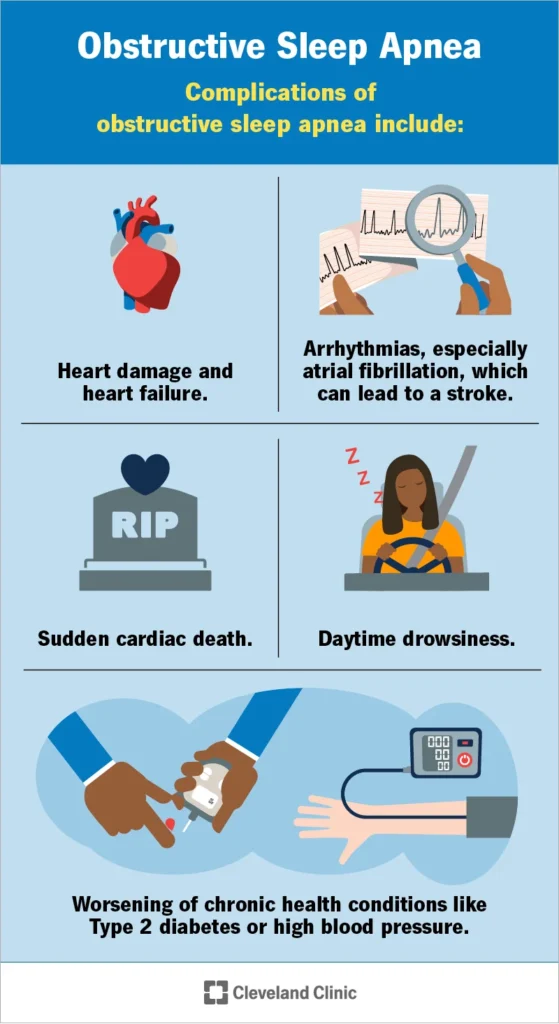
Take it seriously if you notice pauses in breathing, choking or gasping, morning headaches, high daytime sleepiness, or blood pressure concerns. In those cases, a mouthpiece might not be the right first-line solution.
What to try at home tonight (tools + technique)
Think “reduce resistance, improve positioning, and keep it comfortable.” Here’s a simple plan you can run without turning your bedroom into a gadget lab.
1) Do a fast snore pattern check
Ask two questions: Is snoring worse on your back? Is it worse with mouth-open breathing? If either is yes, a mouthpiece-and-position approach becomes more promising.
2) Positioning: the lowest-effort win
Side-sleeping often reduces snoring for many people. If travel has you exhausted and crashing flat on your back, that alone can spike snoring for a few nights.
Try a pillow setup that keeps your head and neck neutral. Avoid extreme chin-to-chest flexion, which can make airflow feel tighter.
3) ICI basics for mouthpieces: fit, comfort, cleanup
ICI = Impression, Comfort, and Integrity. You want a stable fit that doesn’t feel like it’s yanking your jaw forward, a comfortable bite that you can tolerate all night, and a device that stays intact and clean.
- Impression (fit): A mouthpiece should feel secure, not slippery. A poor fit can lead to drooling, popping out, or clenching.
- Comfort (jaw positioning): Start conservative. More forward isn’t always better. Comfort is what makes consistency possible.
- Integrity (cleanup): Rinse after use, brush gently, and let it fully air-dry. A clean device is less gross and usually lasts longer.
4) Consider a combo approach if mouth breathing is the issue
If you wake up with a dry mouth, mouth-open breathing may be part of your snoring pattern. In that case, a mouthpiece paired with a chin strap can help some sleepers stay closed-mouth overnight.
If you’re comparing options, this anti snoring mouthpiece is an example of that two-part setup.
5) Don’t ignore the “trend” factors that actually matter
Sleep trends can be annoying, but a few themes are legit: burnout, late-night scrolling, and irregular schedules all worsen sleep depth. When sleep gets lighter, small airway noises become big disruptions.
If your snoring flares after flights, late dinners, or drinks, you’ve found a lever. Use it.
When to stop experimenting and get checked
Home tools are for straightforward snoring. Get medical guidance if any of the following show up:
- Breathing pauses, gasping, or choking during sleep
- Severe daytime sleepiness or dozing off unintentionally
- High blood pressure concerns or new morning headaches
- Persistent snoring despite consistent changes (positioning + device trial)
- Jaw pain, tooth pain, or bite changes with a mouthpiece
Medical disclaimer: This article is for general education and does not diagnose, treat, or replace care from a qualified clinician. If you suspect sleep apnea or have significant symptoms, seek professional evaluation.
FAQ: quick answers people want
Do anti-snoring mouthpieces help with sleep quality?
They can, if they reduce snoring enough to prevent repeated disruptions. Comfort and consistent use are the difference-makers.
What if my partner says I only snore sometimes?
That’s common. Snoring often changes with sleep position, congestion, alcohol, and how overtired you are.
Can wearables or apps replace a real evaluation?
They can help you notice patterns, but they don’t confirm or rule out sleep apnea. Treat them as tracking tools, not diagnoses.
CTA: make the next step simple
If your snoring seems position- or mouth-breathing-related, a mouthpiece can be a reasonable first experiment.