
Myth: Snoring is just a noise problem.
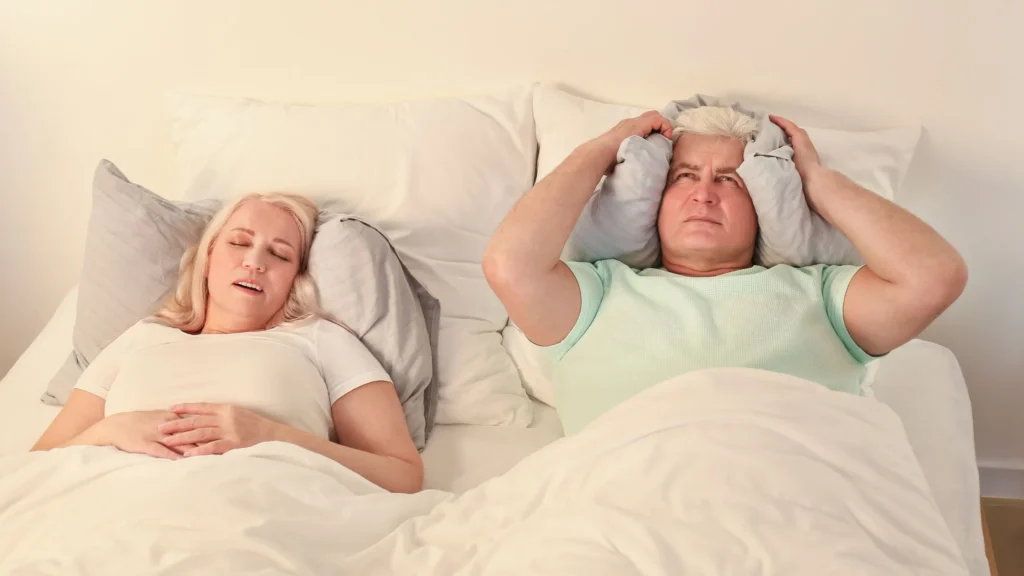
Reality: Snoring often signals airflow resistance, which can chip away at sleep quality for you and anyone within earshot. That’s why “sleep fixes” keep trending—from wearables to viral hacks to relationship-friendly compromises.
This guide keeps it practical. You’ll see where an anti snoring mouthpiece fits, what to watch for, and how to set it up for comfort, positioning, and easy cleanup.
Why does snoring feel louder lately (even if nothing changed)?
Modern life stacks the deck against good sleep. Travel fatigue, late-night screens, and workplace burnout all raise the odds of lighter, more fragmented rest. When sleep runs thin, you also notice sound more.
There’s also a cultural shift: people are trying sleep gadgets the way they try new fitness apps. A device can help, but only if it matches the reason you snore.
Is snoring always a sleep health red flag?
No. Some snoring is positional or congestion-related. It can come and go with alcohol, allergies, or a head-cold.
Still, certain patterns deserve attention. If you regularly wake up gasping, feel excessively sleepy, or your partner notices breathing pauses, talk with a clinician. Those can be signs of sleep-disordered breathing.
Medical disclaimer: This article is educational and not medical advice. It can’t diagnose or treat sleep apnea or other conditions. If symptoms are severe, persistent, or concerning, seek professional evaluation.
What are people trying right now (and what’s the risk)?
Sleep trends move fast. One week it’s a new tracker. The next week it’s a breathing hack. Mouth taping has also been in the spotlight, usually framed around nasal breathing and sleep quality.
If you’re curious about that trend, read an evidence-minded overview here: Mouth Tape for Sleep: Benefits, Risks, and How to Use It Safely.
Bottom line: don’t assume a trend is low-risk just because it’s popular. If you can’t breathe well through your nose, “forcing” nasal breathing can be a bad idea.
When does an anti snoring mouthpiece make sense?
An anti-snoring mouthpiece is usually about mechanics. Many designs gently bring the lower jaw forward or stabilize the tongue so the airway stays more open during sleep.
It tends to make sense when:
- Snoring is worse on your back (positional snoring).
- You wake with a dry mouth (often linked to mouth breathing).
- Your partner reports steady snoring without obvious breathing pauses.
It’s less likely to be a good DIY fix when you have severe symptoms, major jaw pain, or you suspect sleep apnea. In those cases, get evaluated first.
What should I look for in a mouthpiece—comfort, fit, or “power”?
Choose comfort and fit first. A mouthpiece you can’t tolerate is a mouthpiece you won’t use.
Start with adjustability (small steps beat big jumps)
Jaw-advancing designs often work best when you can move forward gradually. Too much advancement too soon can cause soreness and make you quit.
Check dental compatibility
If you have loose dental work, significant gum issues, or missing teeth, you may need professional input. Mouthpieces rely on stable contact points.
Prioritize breathing and saliva management
Some devices feel bulky at first. Look for a design that doesn’t make you feel like you’re “fighting” your own mouth. That matters at 2 a.m.
How do I set it up so it actually improves sleep quality?
Think ICI: Increment, Comfort, Integrity (as in: keep it clean and consistent).
Increment: advance slowly
If your device allows adjustments, start conservative. Use it for a few nights before changing settings. Your jaw needs time to adapt.
Comfort: test positioning before you commit
Do a quick pre-sleep check:
- Can you close your lips comfortably?
- Can you breathe easily through your nose?
- Do you feel pressure on one tooth or one side?
If anything feels sharp or uneven, don’t “tough it out.” That’s how you end up with soreness and a device in the drawer.
Integrity: keep cleanup simple
Rinse after use. Brush gently with mild soap. Let it dry fully. Avoid heat and harsh cleaners unless the manufacturer recommends them.
What else should I change if I’m serious about sleep health?
A mouthpiece is a tool, not a lifestyle. Pair it with two high-leverage habits:
- Side-sleep support: A body pillow or positional aid can reduce back-sleep snoring.
- Wind-down protection: A consistent shutdown routine helps when burnout keeps your nervous system “on.”
Also, be cautious with single-nutrient explanations you see in tabloids or social posts. Snoring is multi-factorial. If you’re worried about deficiencies, discuss testing and supplementation with a clinician.
Which anti-snoring mouthpiece options are worth comparing?
The anti-snoring device market keeps expanding, and that’s not a surprise. More people want quieter nights, better recovery, and fewer jokes about sleeping in separate rooms.
If you’re shopping, start with a focused category page so you can compare designs quickly: anti snoring mouthpiece.
FAQ: quick answers people ask before buying
How do I know if my snoring is positional?
If it’s noticeably worse on your back and improves on your side, position is likely a driver.
Will a mouthpiece stop snoring 100%?
Not guaranteed. Many people improve, but results depend on the cause of snoring, fit, and consistency.
Can I combine a mouthpiece with other sleep gadgets?
Often yes, but keep it simple at first. Add one change at a time so you know what’s helping.