
Before you try an anti snoring mouthpiece, run this quick checklist.
- Safety first: Can you breathe comfortably through your nose when you’re awake?
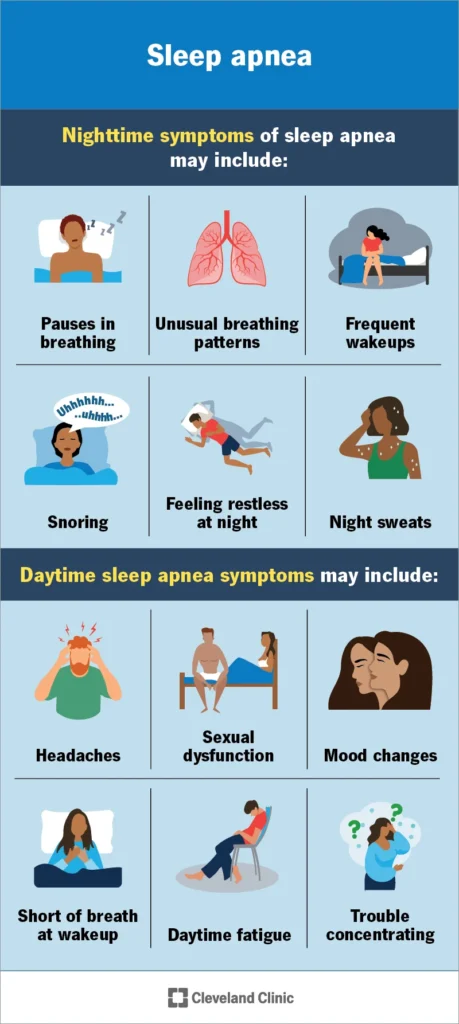
- Screen for red flags: Any choking/gasping, morning headaches, or heavy daytime sleepiness?
- Know your goal: Less noise, better sleep quality, or both?
- Pick one change at a time: Don’t stack three new “sleep hacks” in the same week.
- Track results: Note snoring volume (partner feedback), awakenings, and morning energy for 7–14 nights.
Snoring is having a moment again. Between sleep gadgets on social feeds, expert-backed tip lists, and the ongoing “I’m tired” culture of travel fatigue and workplace burnout, people want a fix that feels practical. Add relationship humor (“you’re sawing logs again”) and it’s easy to see why mouth-based solutions keep trending.
Why does snoring mess with sleep quality so much?
Snoring isn’t just a sound problem. It can fragment sleep for the snorer, the partner, or both. Even if you don’t fully wake up, your body can shift into lighter sleep more often. That’s one reason you can log “eight hours” and still feel like you ran a marathon.
Sleep quality also takes hits from the modern routine: late-night scrolling, irregular schedules, and travel time changes. When you’re already depleted, snoring becomes the loudest symptom in a bigger sleep-health picture.
Is snoring “normal,” or is it a sign to get checked?
Some snoring is common, especially with congestion, alcohol close to bedtime, or sleeping on your back. Still, it’s worth screening because snoring can overlap with sleep-disordered breathing.
Red flags that should move you from DIY to medical advice
- Choking, gasping, or pauses in breathing noticed by a partner
- Excessive daytime sleepiness or dozing off unintentionally
- Morning headaches, dry mouth, or waking unrefreshed most days
- High blood pressure or heart concerns (especially if you’re young and “otherwise healthy”)
- New or rapidly worsening snoring
If any of these fit, a clinician can help you decide whether you need a sleep evaluation. That step protects your health and helps you avoid wasting money on the wrong gadget.
What are people trying right now (and why)?
Sleep trends tend to swing between “simple” and “high-tech.” Right now, you’ll see both. Some people try wearables and smart alarms. Others go for low-tech tools like nasal strips, positional pillows, or mouth-focused approaches.
Mouth taping has been in the spotlight lately, often framed as a way to encourage nasal breathing. If you’re curious, read a balanced overview like Mouth Tape for Sleep: Benefits, Risks, and How to Use It Safely. The key takeaway: it’s not a universal solution, and it’s not a substitute for addressing airway problems.
Where does an anti snoring mouthpiece fit in?
An anti snoring mouthpiece is usually designed to support airflow by changing mouth or jaw position during sleep. For many snorers, the issue is partly mechanical: relaxed tissues and a narrowed airway create vibration. A mouthpiece aims to reduce that vibration.
People like mouthpieces because they’re portable (hello, hotel rooms and red-eye flights), relatively simple, and not dependent on batteries. They also feel more “serious” than a one-off hack, which matters when you’re trying to protect sleep during a stressful season.
Who tends to do well with a mouthpiece?
- Snorers whose noise is worse on their back
- People who wake with a dry mouth and suspect open-mouth sleeping
- Those who want a travel-friendly option
Who should be cautious?
- Anyone with jaw pain, TMJ issues, loose teeth, or significant dental work
- People who can’t breathe well through their nose
- Those with strong sleep apnea symptoms (get screened first)
How do you choose a mouthpiece without guessing?
Think in terms of comfort, fit, and follow-through. The “best” device is the one you can use consistently without pain. Expert roundups often compare categories (mouthpieces, nasal devices, positional aids), but your anatomy and habits decide what’s realistic.
A practical selection checklist
- Fit approach: Look for a design that aims for a secure, comfortable fit.
- Breathing support: If mouth opening is part of your snoring, consider options that also address jaw drop.
- Materials and cleaning: Choose something you can clean daily and replace when worn.
- Return policy: A trial period reduces risk if it’s not a match.
If you’re exploring a combined approach, you can review an anti snoring mouthpiece to see whether that style aligns with your needs.
What should you track to know if it’s helping?
Don’t rely on one night. Sleep varies. Track for at least a week, ideally two.
- Snoring feedback: Partner rating (0–10) or a simple “did it wake you?” yes/no.
- Morning feel: Energy, mood, and headache presence.
- Night disruptions: How often you remember waking up.
- Comfort: Jaw soreness, tooth pressure, or gum irritation.
If snoring drops but discomfort rises, that’s not a win. Comfort is part of sleep quality.
What should you avoid doing with sleep gadgets?
When sleep is trending, it’s easy to treat your nightstand like a tech shelf. More tools can create more anxiety, which backfires.
Common mistakes
- Stacking changes: New mouthpiece + new supplement + new bedtime routine all at once.
- Ignoring nasal congestion: If you can’t breathe through your nose, mouth-based strategies may feel worse.
- Powering through pain: Jaw or tooth pain is a stop sign, not an adjustment period.
- Using “viral” hacks without screening: Especially if you have breathing or heart-related concerns.
Common questions (quick answers)
Is it okay to try mouth tape and a mouthpiece together?
Sometimes people do, but it can increase discomfort and risk if nasal breathing isn’t reliable. Try one change at a time and prioritize safety.
Will a mouthpiece cure snoring?
Snoring has multiple causes. A mouthpiece can reduce snoring for some people, but it’s not a guaranteed cure and it won’t address every underlying issue.
What if my partner is the one who snores?
Make it a teamwork problem, not a blame problem. Agree on a two-week trial with simple tracking and a plan to escalate to medical screening if red flags show up.
CTA: pick a safer next step
If you want a simple, travel-friendly tool to test, start with a mouthpiece approach and track results. If you see red flags, prioritize a medical conversation first.
How do anti-snoring mouthpieces work?
Medical disclaimer: This article is for general education and does not provide medical advice, diagnosis, or treatment. If you have symptoms of sleep apnea, significant daytime sleepiness, chest pain, or persistent jaw/tooth pain, seek guidance from a qualified clinician.