
Before you try any snore “hack,” run this quick checklist:
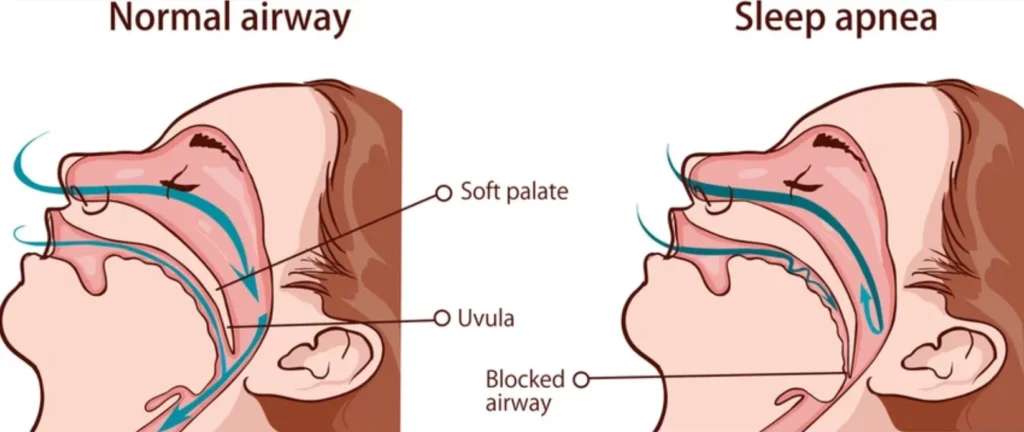
- Safety first: If you wake up choking, have loud snoring most nights, or feel exhausted despite “enough” hours, don’t DIY it—get evaluated.
- Know your goal: Are you trying to reduce noise, improve sleep quality, or stop waking up with a dry mouth?
- Pick one variable: Don’t add mouth tape, a new pillow, and a new device in the same week. You won’t know what helped.
- Comfort matters: A device you can’t tolerate at 2 a.m. is not a solution.
What people are talking about (and why it’s everywhere)
Sleep is having a moment. Between wearable sleep scores, “biohacking” videos, and travel fatigue that makes everyone feel jet-lagged even on a short trip, snoring fixes have become dinner-table content. It also shows up as relationship humor: one person wants silence, the other wants to breathe normally.
Recent coverage has also put mouth-based sleep gadgets in the spotlight. You’ll see discussions about mouth taping, new dual-approach products, and roundup lists of anti-snore devices. On the business side, the anti-snoring device market is getting more crowded, which usually means more options—and more confusion.
If you want a snapshot of the mouth-taping conversation and the safety framing that often comes with it, see this reference: Mouth Tape for Sleep: Benefits, Risks, and How to Use It Safely.
What actually matters for sleep health (the grounded version)
Snoring is usually vibration. Air is trying to move through a narrowed airway, and soft tissues respond like a loose flag in the wind. The “why” behind that narrowing is the key.
Common, non-diagnostic reasons include:
- Sleep position: Back-sleeping can let the tongue and soft tissues fall backward.
- Nasal congestion: If your nose is blocked, you may mouth-breathe more.
- Alcohol or sedatives: These can relax airway muscles.
- Jaw and tongue posture: Some people’s anatomy makes collapse more likely when relaxed.
- General health factors: People also discuss nutrients like vitamin D in relation to snoring, but the best move is to treat that as a prompt for a broader health conversation, not a stand-alone snore cure.
Also: snoring isn’t just “annoying.” For some people it can be linked with sleep-disordered breathing. That’s why the right solution depends on your symptoms, not just the volume.
How an anti snoring mouthpiece can help (and where it fits)
An anti snoring mouthpiece aims to change the geometry of your airway during sleep. Many designs do this by guiding the lower jaw slightly forward or by helping manage tongue position. The goal is simple: more open space, less vibration, less noise.
Where mouthpieces often make sense:
- Snoring that’s worse on your back (position-sensitive patterns).
- “Mouth-open” sleeping that dries your throat and seems to amplify snoring.
- Partners who need a practical compromise that’s less intrusive than a room change.
Where they’re not a magic wand:
- Severe symptoms (gasping, choking, major daytime sleepiness).
- Major nasal blockage that forces mouth breathing nightly.
- Jaw joint issues that flare with forward positioning.
At-home trial plan: technique, comfort, positioning, cleanup
If you’re going to try a mouthpiece, treat it like a small experiment, not a one-night verdict. Workplace burnout and travel fatigue can wreck sleep quality on their own, so keep your testing week as “normal” as possible.
1) Fit and first nights: start small
- Ease in: Wear it for short periods before bed to get used to the feel.
- Expect mild adjustment: Extra saliva and light pressure can happen early on.
- Stop for sharp pain: Pain in teeth or jaw isn’t a “push through it” situation.
2) Positioning: give the device a fair chance
- Side-sleep support: A supportive pillow can reduce back-rolling.
- Neck alignment: Over-flexing the neck can worsen airflow in some people.
- Don’t stack too many changes: New pillow + new mouthpiece + new bedtime = messy data.
3) Comfort add-ons: when a chinstrap enters the chat
Some people want help keeping the mouth closed to reduce dryness and noise. A combo approach can be appealing if mouth opening is your obvious pattern. If you’re exploring that route, see a related option here: anti snoring mouthpiece.
4) Cleanup: the unglamorous part that matters
- Rinse after use and let it dry fully.
- Use gentle cleaning as directed by the manufacturer.
- Replace when worn to avoid rough edges and poor fit.
When to stop experimenting and get help
DIY sleep gadgets are popular, but some signs should move you from “testing” to “checking.” Seek medical advice if you notice:
- Choking, gasping, or witnessed breathing pauses
- Morning headaches, high daytime sleepiness, or drowsy driving risk
- High blood pressure concerns or new heart-related symptoms
- Jaw locking, persistent jaw pain, or dental pain with a device
Also, if a “one mistake at night” headline makes you anxious, use it as motivation to get a real assessment. Anxiety doesn’t fix sleep, and neither do random hacks.
FAQ
Do anti-snoring mouthpieces work for everyone?
No. They tend to help most when snoring is linked to jaw or tongue position, but they won’t solve every cause of snoring.
Is snoring always a sign of sleep apnea?
Not always, but loud, frequent snoring with choking/gasping, daytime sleepiness, or high blood pressure can be a red flag worth evaluating.
What’s the difference between a mouthpiece and mouth tape?
A mouthpiece changes oral/jaw positioning to keep the airway more open. Mouth tape mainly encourages nasal breathing and can be unsafe for some people.
Can an anti-snoring mouthpiece hurt my jaw?
It can cause soreness, tooth pressure, or jaw stiffness, especially early on or if the fit is off. Persistent pain is a reason to stop and get guidance.
How long does it take to get used to a mouthpiece?
Many people adjust over several nights to a couple of weeks, especially if they ease in gradually and keep the device clean and comfortable.
Next step: get a clearer answer fast
If you’re ready to move from “scrolling sleep trends” to a practical trial, start with one tool and track two things: snoring volume (partner feedback or a simple app) and how you feel in the morning.
How do anti-snoring mouthpieces work?
Medical disclaimer: This article is for general education and does not provide medical advice, diagnosis, or treatment. If you suspect sleep apnea, have significant daytime sleepiness, chest symptoms, or persistent jaw/dental pain, talk with a qualified clinician.