
Myth: Snoring is just a funny “sleep soundtrack.”
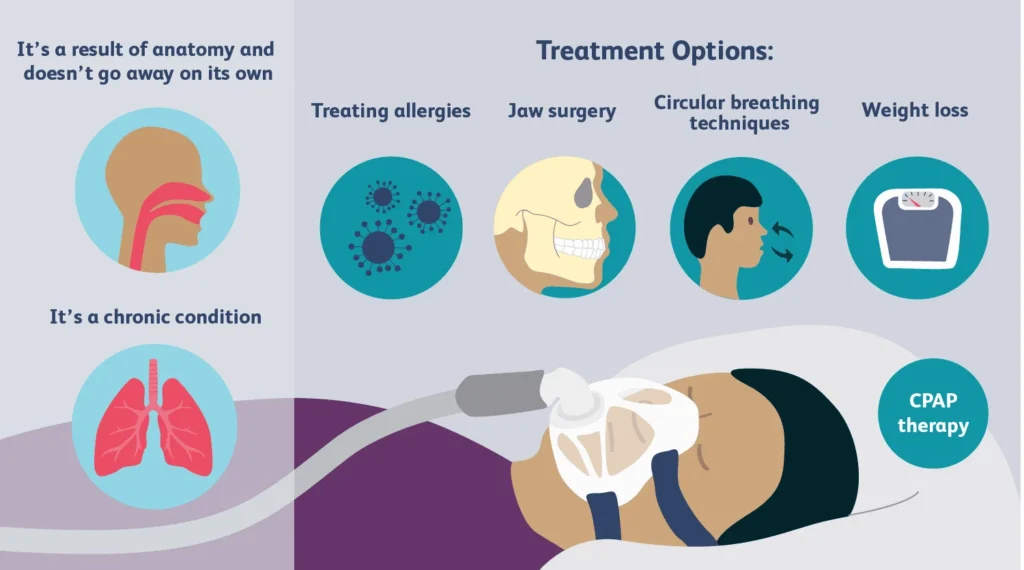
Reality: Snoring can wreck sleep quality for two people at once, and it often spikes when your schedule gets nudged—think daylight saving time, red-eye flights, or a stressful work stretch.
If you’ve been doom-scrolling sleep gadgets and hearing about everything from mouth tape to high-tech wearables, you’re not alone. The goal is simpler than the trend cycle: quieter breathing, deeper sleep, and fewer groggy mornings.
Why did my snoring get worse lately?
Snoring tends to flare when your sleep gets lighter or more fragmented. That’s why people often notice it after time changes, travel fatigue, or a week of workplace burnout.
Common triggers include:
- Schedule shifts (your body clock feels “off”)
- Back sleeping (more airway vibration for many people)
- Alcohol or sedating meds (extra throat relaxation)
- Nasal congestion (mouth breathing increases turbulence)
- Weight changes (can affect airway space)
If you want a mainstream, sleep-clinic-style perspective on adjusting your timing around the clock change, see How to beat the clock: Daylight savings advice from a sleep expert.
What does an anti snoring mouthpiece actually do?
An anti snoring mouthpiece aims to reduce the vibration that creates the snore sound by improving airflow. Most products fall into two broad categories:
- Mandibular advancement devices (MADs): gently hold the lower jaw forward to help keep the airway more open.
- Tongue-retaining devices (TRDs): help keep the tongue from sliding backward.
People like them because they’re portable and don’t require a power cord—useful if you’re bouncing between hotels, crashing after late shifts, or sharing a room with someone who has opinions.
Which snoring “fix” is worth trying first: mouth tape, gadgets, or a mouthpiece?
Sleep trends move fast. One week it’s a new wearable score, the next it’s a viral hack. The practical approach is to match the tool to the likely cause.
If you mostly breathe through your mouth
Some people explore mouth taping to encourage nasal breathing. It also comes with real cautions, especially if you have congestion or any breathing issues. If you’re curious, treat it as a safety-first conversation, not a dare.
If snoring is louder on your back
Positional strategies can help (side-sleeping supports, pillow changes). If that’s not enough, a mouthpiece may be a next step because jaw/tongue position often matters most in that scenario.
If you want a low-tech option that travels well
Mouthpieces are popular for a reason: they’re simple, quiet, and easy to pack. If you’re comparing styles, start here: anti snoring mouthpiece.
How do I choose a mouthpiece without wasting money?
Skip the hype and focus on fit and comfort. A device that sits in a drawer doesn’t help your sleep health.
Look for:
- Adjustability (small changes can make a big comfort difference)
- Material comfort (less irritation, easier compliance)
- Clear cleaning instructions (daily habits matter)
- Return or trial policies (your mouth may disagree at first)
Plan for an adaptation phase. Saliva changes, mild pressure, and a “new object” feeling are common early on. Sharp pain, jaw locking, or bite changes are not something to push through.
When is snoring a health red flag (not a relationship joke)?
Snoring is often framed as funny couple content. In real life, it can signal sleep that isn’t restorative. Some headlines also remind younger adults that nighttime habits and poor sleep can intersect with long-term health risks.
Consider getting checked sooner if you notice:
- Pauses in breathing, choking, or gasping
- Excessive daytime sleepiness or near-miss drowsy driving
- Morning headaches or dry mouth most days
- High blood pressure or worsening metabolic health
- Snoring that’s loud, nightly, and escalating
A mouthpiece can still be part of the solution, but it shouldn’t replace proper evaluation when symptoms point to sleep-disordered breathing.
What can I do tonight to sleep better (even before a mouthpiece arrives)?
Keep it boring and effective:
- Protect your schedule for a few nights after time changes or travel.
- Avoid alcohol close to bed if snoring is a recurring issue.
- Side-sleep if your snoring is position-driven.
- Unclog your nose with safe, clinician-approved options if congestion is the driver.
These basics pair well with an anti-snoring mouthpiece if you decide to try one.
FAQs
Can an anti snoring mouthpiece help if I only snore sometimes?
Often, yes. Occasional snoring from sleep position, congestion, alcohol, or travel fatigue may improve with a well-fitted mouthpiece, but results vary by cause.
Is snoring always a sign of sleep apnea?
No. Many people snore without sleep apnea. Still, loud frequent snoring plus choking/gasping, morning headaches, or daytime sleepiness is worth discussing with a clinician.
Are anti-snore mouthpieces safe?
Many are safe for healthy adults when used as directed, but they can aggravate jaw pain, dental issues, or TMJ symptoms. Stop if you develop pain or bite changes and seek dental guidance.
What’s the difference between mouth tape and a mouthpiece?
Mouth tape encourages nasal breathing by keeping lips closed. A mouthpiece changes jaw or tongue position to reduce airway vibration. They solve different problems and aren’t interchangeable.
How long does it take to get used to a mouthpiece?
Many people adapt over several nights to a couple of weeks. Comfort, fit, and gradual wear time usually matter more than “toughing it out.”
Ready to get answers (and quieter nights)?
Snoring doesn’t need a dozen gadgets. It needs the right tool for your pattern, plus sleep habits that survive daylight saving time, travel, and stress.
How do anti-snoring mouthpieces work?
Medical disclaimer: This article is for general education and does not replace medical or dental advice. If you have symptoms of sleep apnea (gasping, pauses in breathing, severe sleepiness) or jaw/dental pain, talk with a qualified clinician.