
Myth: Snoring is just a funny relationship problem.
Reality: It can wreck sleep quality for two people, amplify travel fatigue, and pile onto workplace burnout. Sometimes it’s harmless vibration. Other times it’s a signal to get screened.
This is why snoring is popping up in conversations about sleep health right now. People are swapping sleep gadgets, joking about “who gets the couch,” and also asking more serious questions about risks and red flags.
Is snoring always a harmless noise?
No. Simple snoring can be “just” sound, but the impact is real. Fragmented sleep can leave you foggy, irritable, and craving caffeine all day.
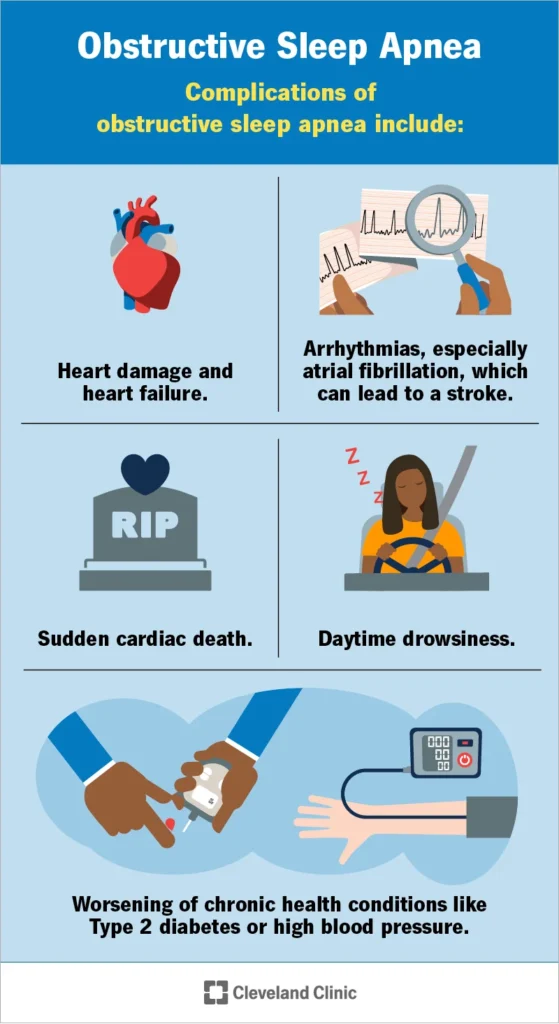
More importantly, snoring can overlap with sleep apnea. That’s the category you don’t want to guess about.
Quick red-flag screen (don’t ignore these)
- Witnessed breathing pauses, choking, or gasping
- Excessive daytime sleepiness or dozing off easily
- Morning headaches, dry mouth, or sore throat
- High blood pressure or heart risk factors
Recent coverage has also highlighted how a single common nighttime mistake can raise cardiovascular risk even in younger adults. Headlines vary, but the takeaway is consistent: sleep habits and sleep-disordered breathing deserve respect, not jokes.
If you suspect apnea, get evaluated. A mouthpiece may still play a role, but you want the right lane first.
Why does snoring feel worse during travel, burnout, and time changes?
Snoring complaints often spike when routines break. Think work trips, late dinners, alcohol at events, or a new hotel pillow that tilts your neck oddly.
Time shifts like daylight saving can also scramble sleep timing. If you want practical timing tips, see this Snoring at night? Low vitamin D might be playing a role and apply it to your snoring plan.
When your schedule is chaotic, your sleep gets lighter. That makes snoring more noticeable. Your partner may also be sleeping lighter, so the “volume problem” becomes a “relationship problem.”
Could vitamin D be part of the snoring conversation?
Some recent headlines have floated a link between low vitamin D and snoring. That’s interesting, but it’s not a do-it-yourself diagnosis.
If you’re curious, treat it like any other health trend: ask for proper testing and guidance. Don’t mega-dose based on a headline. Also, even perfect lab numbers won’t fix snoring if the main driver is airway anatomy or sleep apnea.
What does an anti snoring mouthpiece actually do?
An anti snoring mouthpiece is designed to reduce airway narrowing during sleep. Many styles gently position the lower jaw forward, which can help keep the airway more open.
People like mouthpieces because they’re simple and travel-friendly. They also fit the current “sleep optimization” trend: fewer apps, more practical tools.
Who tends to do well with a mouthpiece?
- Primary snorers without major red-flag symptoms
- Back sleepers whose snoring improves on their side
- People who want a non-machine option to try first
Who should pause and get screened first?
- Anyone with suspected sleep apnea symptoms
- People with significant jaw pain, loose teeth, or gum disease
- Those who already notice bite changes or TMJ issues
How do you choose a mouthpiece without creating new problems?
Selection is where safety matters. A poor fit can cause soreness, tooth pressure, or bite changes over time. That’s not rare, and it’s why documenting your choice is smart.
Use a simple decision approach:
- Fit: Look for designs that prioritize stable, comfortable positioning.
- Adjustability: Small changes matter. Too aggressive can equal jaw pain.
- Materials and cleaning: You’ll use it near sensitive tissue. Keep it clean and replace when worn.
- Stop rules: If pain persists, or your bite feels “off” in the morning, stop and seek dental guidance.
If you’re comparing options, start here: anti snoring mouthpiece.
What else improves sleep quality when snoring is the headline?
Mouthpieces can help, but your baseline habits still matter. This is the boring part that works.
- Side-sleeping: Often reduces vibration and airway collapse.
- Alcohol timing: Avoid close to bedtime when possible.
- Nasal comfort: Address congestion and dryness so you breathe easier.
- Schedule: Keep a consistent window, especially around time changes.
These steps also lower the odds that your “snoring fix” turns into another abandoned sleep gadget in a drawer.
Medical disclaimer
This article is for general education only and isn’t medical advice. It doesn’t diagnose, treat, or replace care from a clinician or dentist. If you suspect sleep apnea, have chest pain, severe daytime sleepiness, or persistent jaw/tooth pain, seek professional evaluation.
Common questions people ask before buying
If you’re still deciding, re-check the red flags above, then choose a path you can stick with for two weeks. Track two things: snoring volume (partner feedback helps) and daytime energy.