
Snoring turns bedtime into a negotiation. One person wants sleep. The other wants silence.
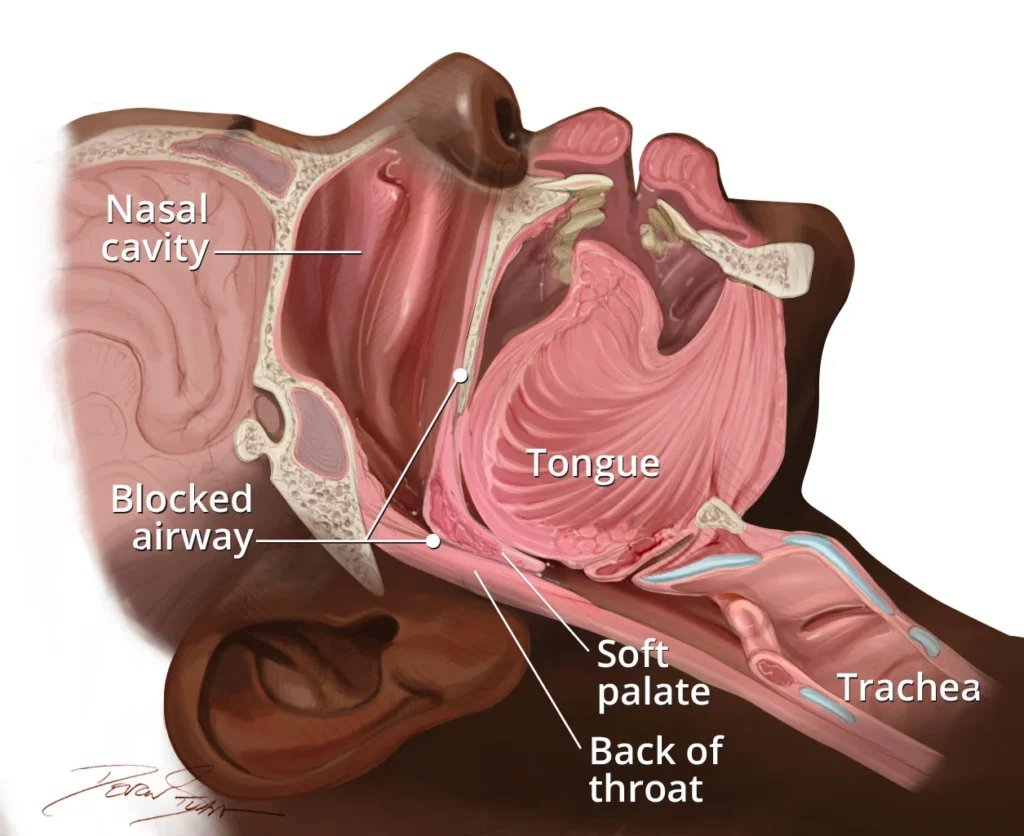
If you’ve been doom-scrolling sleep gadget trends, you’re not alone. People are trying everything from wearables to tape to new “dual therapy” mouth products, partly because everyone feels a little burned out lately.
Thesis: An anti snoring mouthpiece can be a practical, low-drama option when snoring is linked to airflow and mouth/jaw position—especially if you pair it with better sleep habits and honest communication.
Overview: why snoring is suddenly “everywhere”
Snoring isn’t new. What’s new is how publicly people talk about it. Relationship humor, workplace fatigue, and travel hangovers from red-eye flights have made “sleep quality” a mainstream topic.
Recent coverage has also pushed snoring products into the spotlight, including roundups of devices and discussions of mouth taping. If you want a broad, non-brand starting point, see Snoring at night? Low vitamin D might be playing a role.
Also worth noting: headlines sometimes connect snoring with broader health themes, like nutrient status (for example, vitamin D gets mentioned). Treat those as conversation starters, not instant explanations for your snoring.
Timing: when a mouthpiece makes sense (and when to pause)
Good times to try an anti snoring mouthpiece
- Your snoring is position-related (worse on your back).
- Your partner reports “open-mouth snoring” or you wake with a dry mouth.
- Travel weeks or stressful work sprints have your sleep fragmented and you want a simple tool to test.
- You want something reversible before exploring bigger interventions.
Pause and talk to a clinician if you notice red flags
- Gasping, choking, or witnessed breathing pauses during sleep
- Severe daytime sleepiness, morning headaches, or high blood pressure concerns
- Chest pain, fainting, or other urgent symptoms
Snoring can overlap with obstructive sleep apnea. A mouthpiece may still have a role, but you’ll want the right evaluation first.
Supplies: what you’ll want on night one
- Anti-snoring mouthpiece (clean, ready, and stored properly)
- A simple notebook note or phone note to track results (snoring reports, morning energy, comfort)
- Water and a gentle cleaning routine (follow the product instructions)
- Optional: nasal support you already tolerate (saline rinse, shower steam) if congestion is common
If you want a combined approach that targets mouth position and jaw support, you can look at an anti snoring mouthpiece. Keep expectations realistic and focus on comfort and consistency.
Step-by-step (ICI): implement, check, iterate
I — Implement (set yourself up for an easy win)
Start on a lower-stakes night. Avoid making “first use” the same night you have an early meeting, a big presentation, or a post-flight crash.
Set a quick agreement with your partner: you’re running a two-week experiment. The goal is fewer disruptions, not perfection.
C — Check (measure what matters)
In the morning, check three things:
- Snoring impact: Did your partner wake up? Did you wake yourself?
- Sleep quality: Do you feel more restored, or just “less wrecked”?
- Comfort: Any jaw soreness, tooth discomfort, or excess drooling?
Keep it simple. Two sentences in a note is enough. The point is trend spotting, not data science.
I — Iterate (tiny adjustments beat big overhauls)
If comfort is the issue, adjust your approach before you quit. Many people need a short adaptation window.
- If your mouth falls open: consider whether gentle jaw support (like a chin strap) is a better match.
- If congestion drives mouth breathing: address the nose first, because a mouthpiece can’t “outwork” blocked airflow.
- If stress is the trigger: protect a wind-down buffer. Burnout sleep is lighter, and lighter sleep makes snoring feel louder.
Mistakes that make snoring solutions backfire
1) Treating your partner like a sleep sensor
It’s tempting to ask, “Did I snore?” every morning like a performance review. Try a calmer script: “How was your sleep?” That keeps the relationship on the same team.
2) Mixing too many new gadgets at once
Wearables, new pillows, mouth tape, nasal strips, supplements, and a mouthpiece—starting all at once makes it impossible to know what helped.
Pick one primary change for a week. Then layer in the next.
3) Ignoring mouth taping risks
Mouth tape is trending, but it’s not a universal fix. If you can’t breathe well through your nose, taping can feel scary or unsafe. If you’re curious, talk with a clinician and use extra caution.
4) Skipping the “why now?” conversation
Snoring often spikes during stressful seasons, weight changes, alcohol use, or travel fatigue. Naming the context reduces blame and helps you choose a realistic plan.
FAQ: quick answers people are asking right now
Can an anti snoring mouthpiece improve sleep quality?
It can if it reduces snoring-related awakenings for you or your partner. Better sleep often shows up as steadier energy and fewer middle-of-the-night wakeups.
What if my snoring is new?
New or suddenly worse snoring deserves attention. Illness, congestion, stress, alcohol, and sleep loss can contribute, but persistent changes should be discussed with a clinician.
How do I know if it’s working?
Look for fewer complaints, fewer awakenings, and better morning functioning over 1–2 weeks. Comfort matters too; a solution you can’t tolerate won’t help long-term.
CTA: take the next small step (tonight)
If snoring is straining sleep and patience, choose one experiment and run it for two weeks. Keep the goal simple: quieter nights and less tension.
How do anti-snoring mouthpieces work?
Medical disclaimer: This article is for general education and is not medical advice. Snoring can have many causes, including sleep-disordered breathing. If you have choking/gasping, witnessed breathing pauses, severe daytime sleepiness, or other concerning symptoms, seek evaluation from a qualified healthcare professional.