
Is your snoring getting worse lately?
Are 3 a.m. wake-ups wrecking your sleep quality?
Do you actually need an anti snoring mouthpiece, or just better sleep habits?
Here’s the direct answer: most people need a two-part plan. First, reduce the “noise” (snoring triggers). Second, pick the right tool if your airway still collapses at night. Sleep gadgets are everywhere right now, from mouth tape chatter to new mouth-shield combos. Meanwhile, travel fatigue, daylight-savings shifts, and workplace burnout are turning small sleep problems into nightly routines.
This guide is built as a decision map. Follow the “if…then…” branch that matches your situation, then finish with the quick FAQ and next step.
If…then… decision guide: what to try first
If your partner says you only snore on your back… then start with position + a simple test
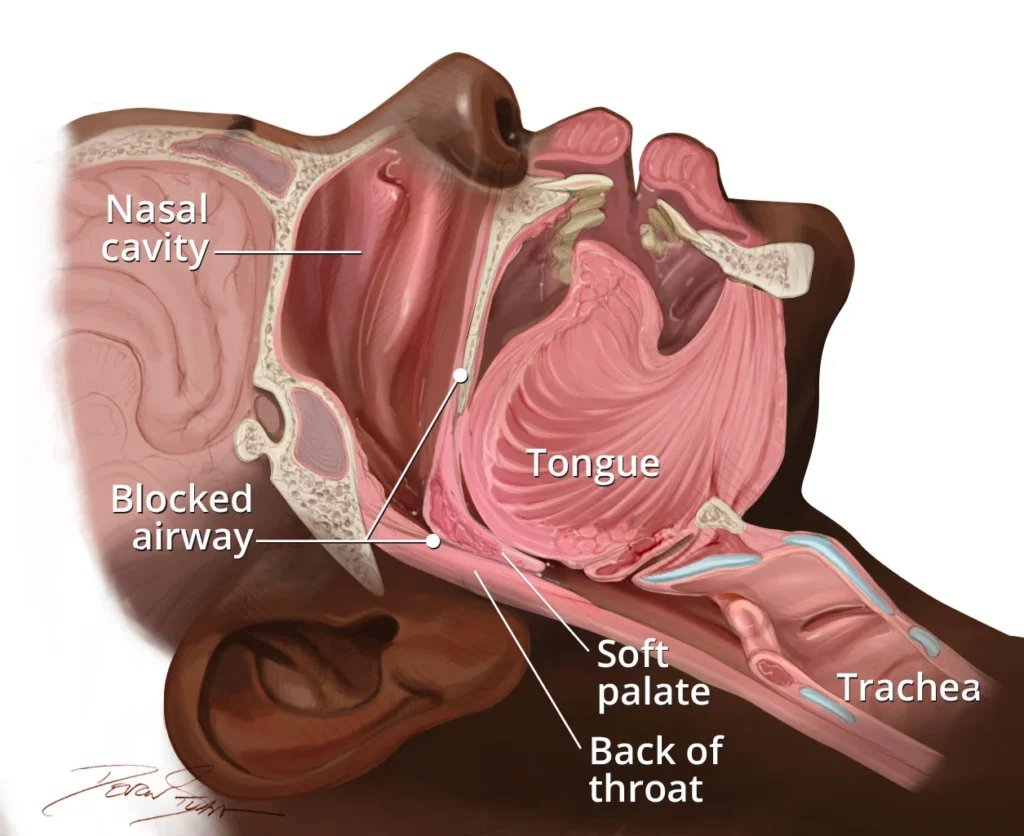
Back-sleeping can let the jaw and tongue drift, narrowing the airway. That’s why snoring can feel “random” until someone records it. Relationship humor aside, the pattern matters.
Do this for 3 nights: try side-sleeping support (a pillow setup or a positional aid), and avoid alcohol close to bedtime. If snoring drops a lot, your primary lever may be position. If it barely changes, keep reading.
If you snore plus wake up at 3 a.m.… then treat it like two separate problems
Snoring and 3 a.m. wake-ups often travel together, but they don’t always share the same cause. One can be airway mechanics. The other can be stress, timing, or a circadian shift (daylight savings, jet lag, late-night screens, or an overloaded work week).
Build a boring, repeatable wind-down. Many clinician-style sleep hygiene lists focus on the same themes: consistent schedule, cooler/darker room, and fewer stimulants late. If you want a quick overview of that style of advice, see I asked 5 doctors for their best ever sleep hygiene tips to fall asleep fast and reverse 3 a.m. wake-ups — here’s what they said.
Then decide: if you still snore most nights after tightening basics for a week, a mouthpiece becomes a reasonable next step.
If you’re looking at mouth tape trends… then pause and check your nose first
Mouth taping gets attention because it’s cheap and looks “biohacky.” It also isn’t universally safe. If your nose is often blocked, forcing nasal breathing can backfire.
If you mouth-breathe due to congestion, focus on nasal comfort (humidity, allergy hygiene, or clinician-approved options). If you’re unsure, skip tape and choose a lower-risk path like positional changes or a properly designed mouthpiece.
If your snoring is louder after travel, burnout, or daylight changes… then stabilize timing before you judge any device
Sleep disruption can amplify snoring. A late dinner, a couple drinks on a work trip, or a time change can all increase airway floppiness and fragment sleep. That’s why “this device didn’t work” sometimes means “the week was chaotic.”
Try a reset: keep wake time consistent for 5–7 days, get bright light early, and keep bedtime flexible but not extreme. Once your schedule steadies, you can evaluate an anti snoring mouthpiece more fairly.
If your partner reports pauses, choking, or gasping… then treat this as a red-flag scenario
Those symptoms can point to sleep apnea. Mouthpieces can help some people, but you should not self-diagnose. A clinician can guide testing and safer treatment choices.
Where an anti snoring mouthpiece fits (and who it’s for)
An anti snoring mouthpiece is typically designed to keep the airway more open during sleep. Many designs do this by gently positioning the lower jaw forward. Others focus on tongue stabilization. The goal is less vibration, better airflow, and fewer disruptions for you and your bed partner.
It’s often a good fit if:
- You snore most nights despite decent sleep habits.
- Your snoring is worse on your back or after alcohol, and you want a consistent solution.
- You want something travel-friendly compared with larger sleep gadgets.
It may not be the right first move if:
- You have jaw pain or significant dental issues (get dental guidance first).
- You suspect sleep apnea symptoms (get evaluated).
- Your main issue is insomnia without snoring (solve the wake-ups separately).
Pick your path: which mouthpiece direction makes sense
If you want a simple starting point… then look for comfort + adjustability
Comfort drives consistency. If a device feels bulky or irritates gums, it ends up in a drawer. Adjustability can help you find the smallest effective change rather than “maxing out” on night one.
Browse anti snoring mouthpiece if you want to compare styles and features in one place.
If you’re tempted by “dual therapy” gadgets… then define the problem you’re solving
New sleep products often combine approaches, which can be useful. It can also add complexity. If your issue is plain snoring, start with the simplest intervention you can stick with. If you’re addressing multiple factors (dry mouth, mouth breathing, or bruxism), a combined approach may be worth discussing with a professional.
If you’re worried about vitamin and supplement headlines… then keep it practical
You may see claims that nutrients like vitamin D are tied to snoring. Even when a link is discussed, it rarely means one supplement “fixes” snoring for everyone. Use labs and supplements for overall health with clinician input. For the noise in the bedroom, focus on airway mechanics and sleep consistency.
FAQ: quick answers before you buy
Do mouthpieces stop snoring completely?
Sometimes, but not always. Many people aim for “much quieter and fewer wake-ups,” not perfection.
Will it help sleep quality?
If snoring is fragmenting sleep (yours or your partner’s), reducing it can improve perceived rest and morning energy.
What if I wake up at 3 a.m. even when snoring improves?
Keep working the timing and stress side. Snoring control and insomnia control often require separate habits.
Next step: choose one change for tonight, one tool for this week
Tonight: side-sleep support + no late alcohol + a consistent wind-down.
This week: if snoring persists most nights, consider an anti snoring mouthpiece you can actually wear consistently.
How do anti-snoring mouthpieces work?
Medical disclaimer: This article is for general education and does not replace medical advice. Snoring can be a sign of sleep apnea or other health conditions. If you have choking/gasping, breathing pauses, severe daytime sleepiness, chest pain, or persistent symptoms, seek evaluation from a qualified clinician.