
- Snoring is having a moment because everyone’s tired: travel fatigue, burnout, and sleep gadgets are everywhere.
- Not all snoring is equal. Some is annoying; some can signal obstructive sleep apnea (OSA).
- An anti snoring mouthpiece can help when jaw/tongue position is the main issue.
- Comfort and technique matter more than hype: fit, side-sleeping, and consistent cleanup.
- If you have gasping, pauses in breathing, or heavy daytime sleepiness, skip “trial-and-error” and get evaluated.
What people are talking about right now (and why)
Sleep has turned into a full-on culture beat. New wearables promise better “scores.” Travel schedules keep shifting. Couples joke about separate bedrooms, but the punchline usually lands on one thing: snoring.
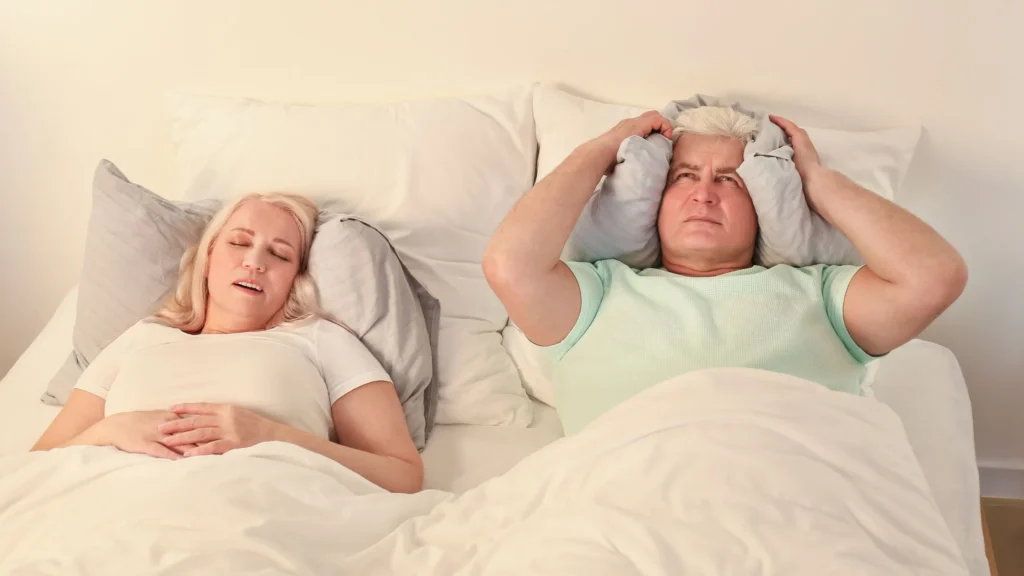
Headlines also keep circling a more serious point. Some people only realize how much daytime life is affected after they connect the dots between night symptoms and OSA-style fatigue. Meanwhile, the anti-snoring device market keeps expanding, which means more options—and more noise.
There’s also chatter about nutrition and snoring, including discussions around vitamin D and sleep-related symptoms. Treat that as a prompt to look at overall health, not as a stand-alone fix.
What matters medically (the simple, non-scary version)
Snoring is vibration, but the “why” changes the solution
Snoring happens when airflow gets turbulent and soft tissues vibrate. The bottleneck can be the nose, the soft palate, or the tongue base. Your sleep position, alcohol, and congestion can all make it worse.
OSA is different. It involves repeated airway obstruction events that can fragment sleep and drop oxygen levels. You can’t confirm that at home with guesswork alone.
Snoring vs sleep apnea: the red-flag checklist
Consider getting assessed if you notice any of the following:
- Witnessed breathing pauses, choking, or gasping
- Waking with headaches or a very dry mouth most days
- Strong daytime sleepiness, dozing while sitting, or drowsy driving
- High blood pressure or cardiometabolic risk factors (ask your clinician)
If you want a quick explainer from a major outlet, see What I Wish I Knew: How Much OSA Symptoms Would Affect My Sleep and Daily Life.
How to try at home (tools + technique that actually move the needle)
Step 1: Do a 7-night baseline before you change anything
One-night experiments lie. Do this instead:
- Record snoring (app or audio) for 7 nights.
- Write down morning symptoms: dry mouth, sore throat, headache, grogginess.
- Note alcohol, late meals, and congestion.
Now you’ll know if a change helped, not just felt “different.”
Step 2: Pick the right tool for the likely cause
- Nasal blockage: nasal strips/saline, allergy plan with a clinician if needed.
- Back-sleep snoring: side-sleeping strategy, pillow height tweaks, head-of-bed elevation.
- Jaw/tongue position: consider an oral appliance approach, like a mouthpiece designed to support airflow.
Step 3: Anti-snoring mouthpiece basics (ICI: fit, comfort, routine)
Think “ICI”:
- Insertion: Seat it fully and evenly. Don’t bite down aggressively to “force” the fit.
- Comfort: Mild awareness is common. Sharp pain, jaw locking, or tooth pain is not a push-through situation.
- Integrity: Clean it daily, store it dry, and check for warping or rough edges.
If you’re comparing options, a combo approach may be appealing for people who also struggle with mouth-breathing. Example: anti snoring mouthpiece.
Step 4: Positioning tweaks that pair well with a mouthpiece
Small adjustments can make a big difference when you’re already improving airway mechanics:
- Try side-sleeping with a pillow that keeps your neck neutral.
- Reduce “chin tuck” by avoiding pillows that are too high.
- Keep the bedroom cool and dark to reduce micro-wakeups.
Step 5: Cleanup and maintenance (the unglamorous part that matters)
Rinse after use. Brush gently with mild soap as directed by the product instructions. Skip harsh cleaners unless they’re specifically recommended for oral appliances.
Replace the device when it no longer fits well, shows damage, or won’t stay clean. A worn mouthpiece can become uncomfortable fast.
When to stop DIY and get help
Snoring jokes are everywhere, but your body keeps the receipts. Get clinical guidance if you have red flags for apnea, if symptoms persist despite changes, or if your partner reports breathing pauses.
Also get help if a mouthpiece causes ongoing jaw pain, tooth pain, or bite changes. Comfort issues are solvable, but they shouldn’t be ignored.
FAQ
Do anti-snoring mouthpieces work for everyone?
No. They tend to help when snoring is driven by airflow narrowing and jaw/tongue position. They may not help if snoring is mainly from congestion, alcohol, or untreated sleep apnea.
How long does it take to get used to a mouthpiece?
Many people need several nights to a couple of weeks. Start with short wear periods and focus on fit, cleaning, and jaw comfort.
Is snoring always a sign of sleep apnea?
No, but it can be. If you have choking/gasping, witnessed breathing pauses, or significant daytime sleepiness, consider a medical evaluation.
Can sleep position reduce snoring?
Often, yes. Side-sleeping and elevating the head can reduce airway collapse for some people, especially when snoring is worse on the back.
What’s the easiest way to track whether snoring is improving?
Use a simple baseline: partner feedback, a snore-recording app, and morning symptoms (dry mouth, headaches, fogginess). Track changes for 1–2 weeks per adjustment.
CTA: Get a clearer answer faster
If you’re ready to test a practical option and track results, start with one change and stick with it for two weeks. Pair it with side-sleep positioning and a consistent cleanup routine.
How do anti-snoring mouthpieces work?
Medical disclaimer: This article is for general education only and isn’t medical advice. Snoring can be a symptom of obstructive sleep apnea and other conditions. For diagnosis or personalized treatment, consult a qualified clinician or sleep specialist.