
- Snoring is getting more attention because sleep quality is tied to mood, focus, and burnout.
- “Just a little snoring” can still wreck recovery for you and your partner.
- An anti snoring mouthpiece may help by supporting a more open airway during sleep.
- Screening matters: some “snoring” is a sign you should rule out sleep apnea.
- The safest plan is track → try → reassess, not impulse-buy every sleep gadget.
The big picture: why snoring is suddenly everyone’s topic
Sleep has become a culture-wide project. People compare wearables, swap “sleep stack” routines, and debate the latest bedside devices like they’re phone upgrades.
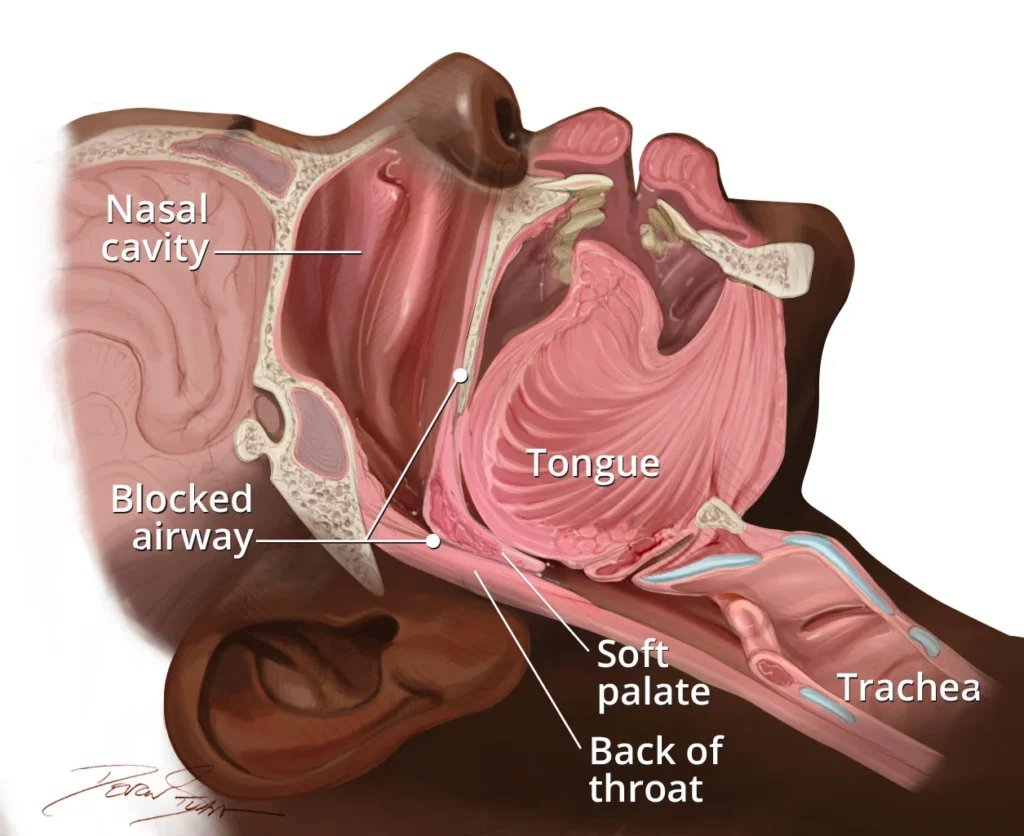
At the same time, headlines keep circling back to breathing-related sleep problems and how they affect daily life. That’s part of why the anti-snoring device market and “best of” roundups keep popping up in business and lifestyle coverage.
There’s also a simpler reason: travel fatigue is real. Late flights, time zone shifts, and hotel-room dryness can turn mild snoring into a loud, shared problem.
The emotional side: snoring isn’t funny at 2 a.m. (until it is)
Couples joke about “sleep divorce” and separate bedrooms. It’s funny in a meme and miserable in real life.
Snoring can create a loop. One person feels blamed, the other feels trapped, and both lose sleep. If you’re already stretched thin at work, that extra sleep loss can make everything feel sharper and harder.
A good goal is to make this a shared project, not a personal flaw. Talk about what you both want: quieter nights, fewer wake-ups, and better mornings.
Practical next steps: a no-drama plan that’s easy to follow
1) Do a quick “pattern check” for your snoring
Before you buy anything, note what’s true on most nights:
- Back sleeping vs side sleeping
- Nasal congestion or seasonal allergies
- Alcohol close to bedtime
- New meds or recent weight changes
- Whether the snoring is occasional, nightly, or getting worse
This isn’t about perfection. It’s about finding the lever that’s actually moving your snoring.
2) Where an anti snoring mouthpiece fits
Mouthpieces are popular because they’re relatively simple. Many are designed to keep the lower jaw slightly forward or stabilize the mouth position to reduce the vibration that produces snoring.
If your snoring is worse on your back or improves when your airway feels more open, a mouthpiece may be a reasonable trial. It’s also a common choice for people who want something portable for work trips.
If you want a combined approach, look at an anti snoring mouthpiece. Some people like the added support for keeping the mouth closed, especially when dry-mouth is part of the problem.
3) Track results like a grown-up (without turning sleep into homework)
Use a simple checklist for 10–14 nights:
- Partner rating (0–10) for loudness
- Your wake-ups (count)
- Morning jaw comfort (fine / tense / painful)
- Daytime sleepiness (low / medium / high)
That’s enough to tell whether you’re improving or just experimenting.
Safety and screening: reduce risk and document your choices
Snoring vs sleep apnea: don’t guess if red flags show up
Some coverage has focused on the “is it snoring or sleep apnea?” question for a reason. If you notice gasping, choking, witnessed breathing pauses, or heavy daytime sleepiness, get medical guidance rather than self-treating.
If you want a quick overview of warning signs, see What I Wish I Knew: How Much OSA Symptoms Would Affect My Sleep and Daily Life and use it as a conversation starter with a clinician.
Fit, comfort, and hygiene matter more than hype
Snoring products are trending, and the market is crowded. That also means you should protect yourself with basics that reduce avoidable problems:
- Comfort check: Stop if you get tooth pain, jaw pain, numbness, or gum injury.
- Clean routine: Rinse and clean as directed. Let it dry fully to reduce odor and buildup.
- Replacement plan: Don’t keep using a cracked or warped device.
- Documentation: Note what you used, when you started, and what changed. This helps if you later talk to a dentist or sleep specialist.
A short medical disclaimer
This article is for general education and does not provide medical advice, diagnosis, or treatment. If you suspect sleep apnea or have significant daytime sleepiness, breathing pauses, chest pain, or severe jaw/tooth issues, seek care from a qualified clinician.
FAQ: quick answers people ask right now
Can snoring cause daytime fatigue even without sleep apnea?
Yes. Frequent micro-awakenings, dry mouth, and disrupted sleep cycles can leave you feeling unrefreshed, even if you don’t notice waking up fully.
Do sleep gadgets replace a mouthpiece?
They can help you measure patterns, but they don’t always change the cause of snoring. Many people use gadgets for tracking and a mouthpiece for intervention.
What if my partner snores too?
Start by separating variables: track who snores on which nights and what changes (travel, alcohol, congestion). Then test one change at a time so you know what worked.
CTA: choose one next step tonight
If you’re ready to understand the mechanism before buying anything else, start here:
How do anti-snoring mouthpieces work?
Pick a two-week window, track outcomes, and keep safety first. Better sleep is a health move, not a willpower contest.