
- Snoring is a sleep-quality problem, not just a noise problem—especially when stress and burnout are already high.
- Sleep hygiene is trending again, including tips for falling asleep faster and handling middle-of-the-night wake-ups.
- Time changes and travel fatigue can make snoring feel worse because your sleep gets lighter and more fragmented.
- Gadgets are everywhere, but the best “device” is the one you can use consistently and safely.
- An anti snoring mouthpiece can be a practical middle ground when you want action without turning bedtime into a science project.
What people are talking about right now (and why it matters)
Sleep content is having a moment. You’ve probably seen the wave of “doctor-approved” routines for falling asleep faster, plus advice for those frustrating 3 a.m. wake-ups. Add daylight savings whiplash, work-from-anywhere burnout, and constant travel, and it’s no surprise couples are joking (and not joking) about who “started it” when the snoring kicks off.
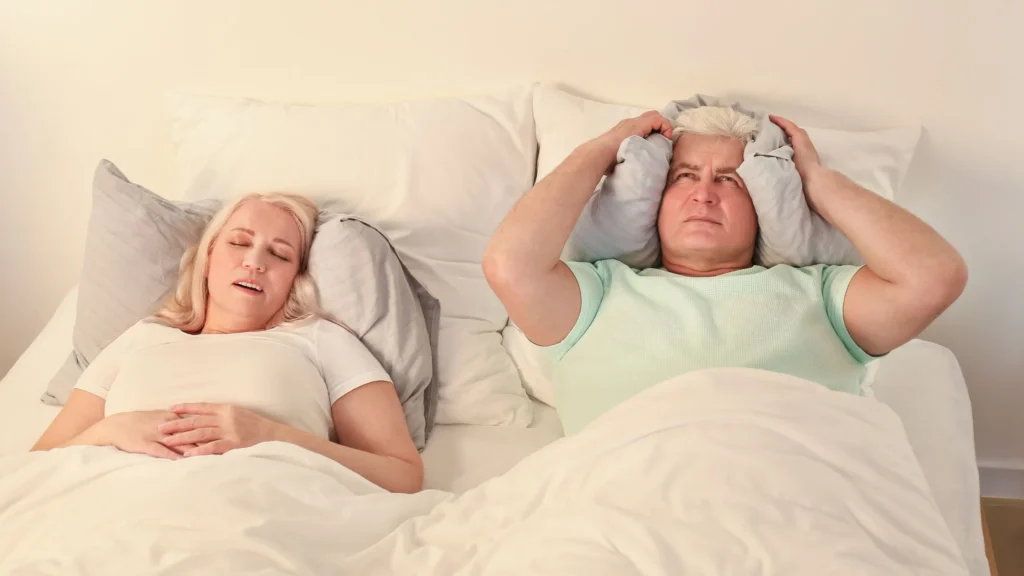
At the same time, anti-snore products keep multiplying. That’s not just hype—there’s real demand. People want something that doesn’t require a full bedroom overhaul, doesn’t spark arguments, and doesn’t feel like a tech subscription for your face.
If you want a quick read on the broader conversation around sleep routines and wake-ups, see this overview of I asked 5 doctors for their best ever sleep hygiene tips to fall asleep fast and reverse 3 a.m. wake-ups — here’s what they said.
What matters medically (without the drama)
Snoring happens when airflow makes soft tissue vibrate as you breathe. It often gets worse when the airway narrows. That can happen from sleep position, alcohol, nasal congestion, or how your jaw and tongue sit when your muscles relax.
Here’s the key: snoring can be “just snoring,” but it can also be a sign of obstructive sleep apnea (OSA). OSA is not a DIY situation. If you suspect it, get evaluated.
Red flags that should move you from “shopping” to “checking in”
- Gasping, choking, or witnessed pauses in breathing
- Severe daytime sleepiness or dozing off easily
- Morning headaches, dry mouth, or irritability that’s new
- High blood pressure or heart risk factors plus loud snoring
Why sleep quality takes the real hit
Even when snoring isn’t sleep apnea, it can still fragment sleep. Your partner may wake up repeatedly. You may also drift into lighter sleep without realizing it. That’s why snoring often shows up as “I slept eight hours but feel wrecked.”
How to try at home (a realistic plan you can stick to)
Start with simple moves that reduce airway narrowing and nighttime wake-ups. Then add a device only if it fits your pattern and your tolerance.
Step 1: Lower the “sleep friction”
- Pick a consistent wake time for a week, even after a rough night. It steadies your body clock.
- Limit late alcohol if snoring spikes after drinks. It relaxes airway muscles.
- Clear your nose before bed if you’re congested (saline rinse or shower). If you can’t breathe through your nose, snoring often escalates.
- Side-sleep when possible. Back-sleeping can let the jaw and tongue fall backward.
Step 2: Be careful with viral “hacks”
Mouth taping is trending, but it’s not a universal fix. If your nose is blocked, taping can make breathing harder. If sleep apnea is possible, it can also mask a bigger issue. Treat it as a “talk to a clinician first” idea, not a default solution.
Step 3: Consider an anti snoring mouthpiece if jaw/tongue position seems to be the issue
Many anti-snoring mouthpieces work by gently positioning the lower jaw forward (often called mandibular advancement). That can help keep the airway more open for some people.
Signs a mouthpiece may be worth trying:
- Snoring is worse on your back
- You wake with a dry mouth but breathe fine through your nose
- Your partner reports loud snoring without obvious gasping or pauses
- You want a low-tech option you can pack for travel
If you’re comparing options, start here: anti snoring mouthpiece.
Step 4: Make it a relationship plan, not a blame game
Snoring fights usually aren’t about the sound. They’re about lost sleep, short tempers, and feeling ignored. Use a quick script: “We both need better sleep. Let’s test one change for seven nights and reassess.”
Pick one metric that isn’t emotional. Example: “How many times did we wake up?” or “Did we need to move rooms?” That keeps the conversation practical.
When to seek help (and what to ask for)
If red flags show up, ask your clinician about a sleep evaluation. If you’re mainly dealing with disruptive snoring, ask whether a dentist-trained sleep professional is appropriate for an oral appliance and whether you should rule out sleep apnea first.
Also get help if your jaw clicks, you have TMJ pain, or dental issues. Mouthpieces can be helpful, but fit and tolerance matter.
FAQ
Do anti-snoring mouthpieces help with sleep quality?
They can, if they reduce snoring and related micro-awakenings. Better sleep quality usually shows up as fewer nighttime disruptions and improved daytime energy.
What if I snore only when I’m exhausted or traveling?
Travel fatigue, time-zone shifts, and lighter sleep can make snoring more noticeable. Focus on side-sleeping, limiting late alcohol, and keeping a consistent wake time. A mouthpiece can be useful as a packable tool if it fits your pattern.
Can I combine a mouthpiece with other strategies?
Often, yes. Many people pair a mouthpiece with nasal support (when congested) and a stricter sleep schedule. Just avoid stacking risky “hacks” without guidance.
CTA: Get the plain-English breakdown
How do anti-snoring mouthpieces work?
Medical disclaimer: This article is for general education only and is not medical advice. Snoring can be a symptom of obstructive sleep apnea or other conditions. If you have breathing pauses, gasping, significant daytime sleepiness, chest pain, or other concerning symptoms, seek evaluation from a qualified clinician.