
Q1: Why am I snoring more lately?
Travel fatigue, stress, alcohol, congestion, and sleep position can all push snoring from “occasional” to “every night.”
Q2: Why do I keep waking up at 3 a.m.?
Light exposure, late caffeine, overheating, and a noisy bed partner (yes, snoring counts) can fragment sleep and make wake-ups stick.
Q3: Is an anti snoring mouthpiece worth trying?
Often, yes—if your snoring is positional or related to airway narrowing and you use it safely, with basic screening first.
What people are talking about right now (and why it matters)
Sleep is having a moment. Everyone’s comparing trackers, trying new “sleep hacks,” and joking about relationship peace treaties that start with “please stop snoring.” Add workplace burnout and constant travel, and more people are chasing quick fixes.
Recent coverage has also leaned into practical sleep hygiene: consistent timing, dialing down late-night stimulation, and strategies for middle-of-the-night wake-ups. That’s useful, because snoring solutions work better when the rest of your sleep setup isn’t fighting you.
You may also see headlines connecting snoring with broader health conversations, including nutrient status and heart health risk behaviors. Treat those as prompts to review your habits and get screened when symptoms stack up, not as do-it-yourself diagnoses.
Trend watch: gadgets, tapes, and “anti-snore” lists
Roundups of anti-snore devices are everywhere. Some are harmless experiments; others can be risky if you ignore breathing symptoms. Mouth tape, for example, is widely discussed, but it isn’t a universal solution and can be unsafe for certain people.
A mouthpiece is different. It aims to keep the airway more open by changing jaw or tongue position. For many snorers, that’s a more direct approach than adding another app.
What matters medically (quick, no-drama screening)
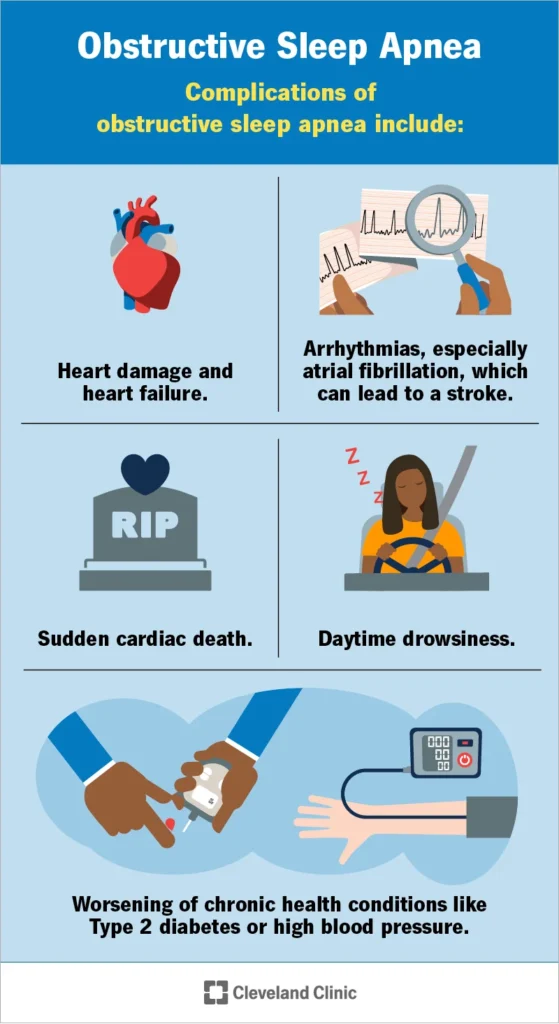
Snoring is common. Still, it can be a clue that airflow is restricted during sleep. The key is separating “annoying snoring” from “possible sleep-disordered breathing.”
Red flags that should move you from DIY to screening
- Choking, gasping, or witnessed pauses in breathing
- High blood pressure, morning headaches, or significant daytime sleepiness
- Falling asleep easily while driving, working, or sitting quietly
- Snoring that’s loud, nightly, and worsening
If any of these fit, don’t just buy another gadget. Consider talking with a clinician or a sleep specialist about evaluation options.
Why sleep quality gets wrecked even without “full” apnea
Even simple snoring can trigger micro-arousals, dry mouth, and partner disturbances. That can show up as irritability, poor focus, and the classic “I slept eight hours but feel awful.”
How to try at home (safer steps first)
Start with basics you can document and repeat. This lowers risk and helps you tell what actually worked.
Step 1: Fix the easy stuff for 7 nights
- Side-sleeping: Back sleeping often worsens snoring.
- Alcohol timing: Keep it earlier; late drinking relaxes airway muscles.
- Bedroom cues: Cooler room, darker light, fewer late screens.
- Nasal comfort: Address congestion so you’re not forced into mouth-breathing.
Track two numbers: (1) snoring reports from your partner or a simple audio app, and (2) how rested you feel in the morning.
Step 2: Decide if a mouthpiece matches your snoring pattern
An anti snoring mouthpiece is most often used when snoring appears related to airflow narrowing and jaw/tongue position during sleep. If you mainly snore on your back, after alcohol, or when overtired, a mouthpiece may be a reasonable next trial.
Step 3: Use mouthpieces with a safety checklist (infection + fit + follow-up)
- Clean it daily: Rinse after use and follow the product’s cleaning instructions. Don’t share devices.
- Go slow: Start with shorter wear time if you’re prone to jaw soreness.
- Watch your bite: If teeth feel like they’re shifting or your jaw joint hurts, stop and reassess.
- Keep notes: Date, hours worn, comfort, snoring level, and morning symptoms. This protects you if you need clinical follow-up.
Option: mouthpiece + chinstrap for mouth-breathing tendencies
If your partner reports open-mouth snoring or you wake with a dry mouth, a combined setup may help some people stay more consistently positioned. If you want a product starting point, see this anti snoring mouthpiece.
A note on mouth tape (popular, but not casual)
Mouth taping gets attention because it feels simple. It can also go wrong if you have nasal obstruction, panic, reflux risk, or possible sleep apnea symptoms. If you’re considering it, treat it as a safety-first experiment and stop if breathing feels restricted.
When to seek help (so you don’t miss the big stuff)
Get help sooner rather than later if you suspect sleep apnea or if “sleep fixes” aren’t touching your daytime fatigue. Also seek care if snoring starts suddenly with other symptoms, or if your partner observes breathing pauses.
For broader sleep-hygiene ideas that people are discussing lately, you can review this related coverage: I asked 5 doctors for their best ever sleep hygiene tips to fall asleep fast and reverse 3 a.m. wake-ups — here’s what they said.
FAQ (quick answers)
Can an anti snoring mouthpiece improve sleep quality?
Yes, especially when snoring is linked to airway narrowing. Many couples notice fewer awakenings and less “light sleep” churn.
Is snoring always a sign of sleep apnea?
No. But if snoring comes with gasping, witnessed pauses, or heavy daytime sleepiness, treat it as a screening issue.
Are mouth tapes safer than mouthpieces?
Not automatically. Mouth tape changes how you breathe; a mouthpiece changes jaw/tongue position. Either can be the wrong tool for the wrong person.
How long does it take to get used to a mouthpiece?
Expect an adjustment period. If discomfort escalates or your bite feels off, stop and get guidance.
When should I stop using a mouthpiece and call a clinician?
Stop for jaw joint pain, tooth movement, gum problems, or worsening headaches. Also seek help if apnea symptoms show up.
CTA: Make the next step simple
If snoring is the nightly problem and you want a direct, practical tool to test, start with a mouthpiece plan you can track. Pair it with the basics (side sleeping, earlier alcohol cutoff, consistent bedtime) for a cleaner result.
How do anti-snoring mouthpieces work?
Medical disclaimer: This article is for general education only and is not medical advice. It does not diagnose, treat, or replace care from a qualified clinician. If you suspect sleep apnea or have severe daytime sleepiness, chest pain, or breathing pauses during sleep, seek professional evaluation promptly.