
Before you try anything for snoring, run this quick checklist:
- Safety first: If you wake up choking, gasping, or with pounding headaches, don’t DIY your way through it.
- Know your pattern: Is it every night, only after alcohol, or worse on your back?
- Check your nose: Congestion changes everything. If you can’t breathe through your nose, many “sleep hacks” backfire.
- Pick one change at a time: Stacking gadgets makes it hard to tell what helped.
What people are talking about lately (and why it matters)
Sleep has become a full-on consumer category. You see it in travel fatigue posts, workplace burnout conversations, and the steady stream of new gadgets promising “quiet nights.” Snoring sits right in the middle of that, because it’s both a health issue and a relationship issue.
Three themes keep popping up in recent chatter:
- Mouth taping debates: It’s trending, but many clinicians urge caution—especially if your nose isn’t reliably clear.
- “Hidden” contributors: You may see headlines connecting snoring with things like vitamin levels. Treat those as prompts to review overall health, not as a guaranteed fix.
- Device roundups: From chin straps to mouthpieces, lists of “best anti-snore devices” are everywhere because people want practical, low-drama options.
And yes, snoring still shows up as relationship humor. The joke usually lands because the sleep loss is real.
The medically important part (in plain language)
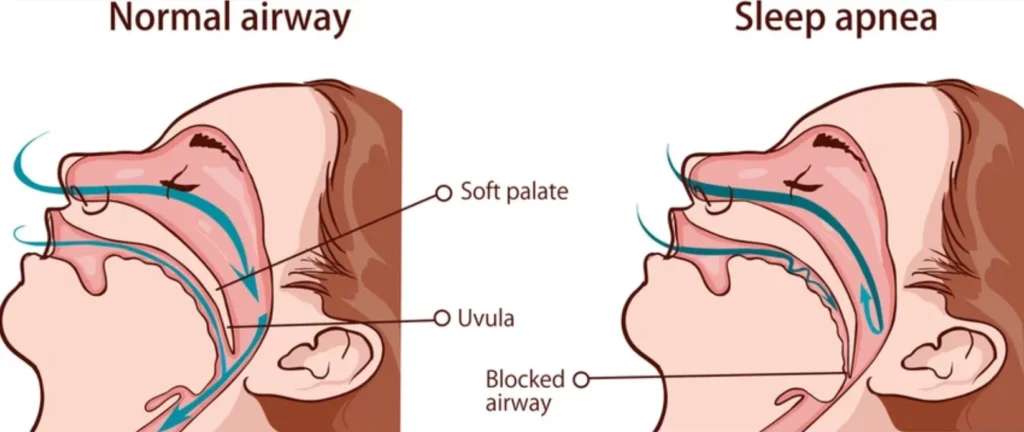
Snoring happens when airflow gets turbulent and soft tissues vibrate. That turbulence often increases when you sleep on your back, drink alcohol near bedtime, or get congested. Weight changes, aging, and anatomy can also play a role.
What you need to separate is simple snoring versus possible sleep apnea. Snoring can be harmless, but it can also be a flag when it’s paired with breathing pauses, gasping, or major daytime sleepiness.
Why “just tape your mouth” is getting pushback
Mouth taping gets framed as a shortcut to nasal breathing. The problem is that not everyone has a clear nasal airway all night. If your nose clogs, taping can feel panicky and unsafe. If you want the broader context, see this high-level coverage: Why Doctors Say You Shouldn’t Tape Your Mouth Shut at Night.
If you’re tempted because you wake with a dry mouth, start by addressing congestion and bedroom humidity. Then consider devices designed for snoring rather than improvised fixes.
What you can try at home (a low-effort order that makes sense)
When you’re tired, complicated plans fail. Use this order so you can quickly tell what changed your sleep quality.
1) Remove the “snore amplifiers” for one week
- Side-sleep nudge: If you snore mostly on your back, try a pillow setup that makes side sleeping easier.
- Alcohol timing: If you drink, keep it earlier. Late drinks often worsen snoring for many people.
- Decongest smartly: A warm shower, saline rinse, or humidifier can help comfort. Don’t overuse medicated sprays without medical guidance.
2) Consider an anti snoring mouthpiece when jaw position seems involved
An anti snoring mouthpiece is often used to help reduce airway narrowing by influencing jaw or tongue position during sleep. It’s a common next step when:
- You snore more when your mouth falls open.
- Your partner notices the snoring is loudest in deeper sleep.
- You want something more structured than a “hack,” but less involved than clinical equipment.
Some people also pair a mouthpiece with a chin strap for added support in keeping the mouth closed. If you’ve been browsing that approach, here’s a relevant option to compare: anti snoring mouthpiece.
3) Track two simple outcomes (not ten)
Skip the overtracking spiral. For 10–14 nights, write down:
- Partner rating: “Quiet / some snoring / loud.”
- Your morning score: “Refreshed / okay / rough.”
This keeps the focus on sleep quality, not perfection.
When to stop experimenting and get checked
DIY is fine for straightforward snoring. It’s not fine when symptoms suggest sleep-disordered breathing.
Seek medical evaluation if you notice:
- Breathing pauses, choking, or gasping during sleep
- Excessive daytime sleepiness or dozing off unintentionally
- High blood pressure concerns, morning headaches, or mood changes tied to poor sleep
- Snoring that escalates quickly or starts alongside new health issues
If you’re traveling a lot and the fatigue is stacking up, don’t assume it’s “just jet lag.” Repeated short sleep plus untreated snoring can snowball into real burnout.
FAQ: quick answers people want before buying anything
Will a mouthpiece help if my nose is blocked?
It may not. If nasal breathing is limited, address congestion first. Mouth breathing can still happen even with a device.
Can I use an anti-snoring mouthpiece if I have jaw issues?
Be cautious. If you have TMJ pain, loose teeth, or dental work concerns, ask a dentist or clinician before using a device that changes jaw position.
What if my partner says I only snore sometimes?
That’s common. Snoring often spikes with back-sleeping, alcohol, illness, allergies, and exhaustion.
Next step
If you want a simple explainer and product options in one place, start here:
How do anti-snoring mouthpieces work?
Medical disclaimer: This article is for general education and does not diagnose or treat any condition. If you suspect sleep apnea or have significant symptoms (gasping, breathing pauses, severe daytime sleepiness), seek evaluation from a qualified healthcare professional.