
- Snoring is a sleep-quality problem, not just a noise problem.
- Gadgets are trending (quiet CPAP-style devices, mouth tape, “best of” lists), but fit matters more than hype.
- An anti snoring mouthpiece may help when jaw/tongue position is the bottleneck.
- Screen first if you have red flags for obstructive sleep apnea (OSA).
- Reduce risk with clean-use habits, symptom tracking, and clear stop rules.
Snoring is having a cultural moment. People are swapping travel fatigue stories, comparing sleep gadgets, and joking about “relationship sleep negotiations.” Meanwhile, workplace burnout keeps pushing sleep from “nice to have” to “non-negotiable.”
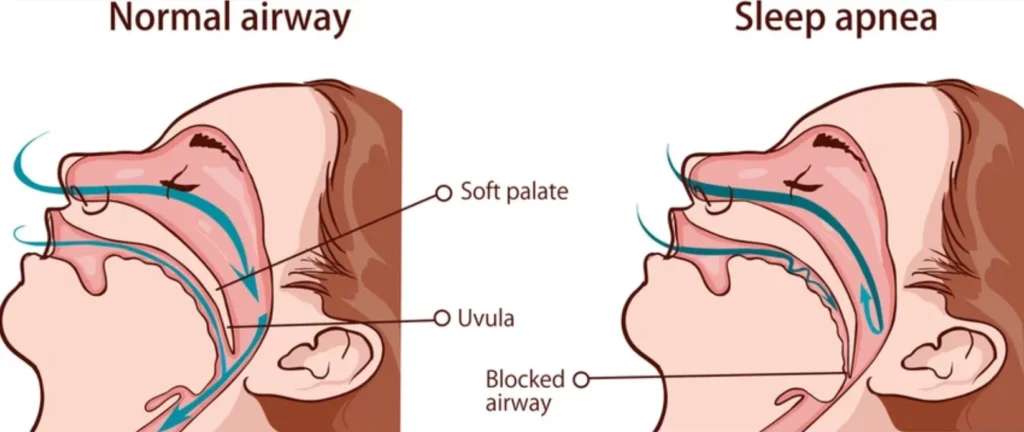
Here’s the no-fluff take: you can try tools like an anti snoring mouthpiece, but you should also know when snoring is a sign to get checked for something bigger.
Is snoring just annoying, or is it hurting sleep quality?
Snoring can fragment sleep even when you don’t fully wake up. Your body still reacts to reduced airflow and vibration. That can mean lighter sleep, more micro-arousals, and groggy mornings.
It also spills into daytime life. People talk about brain fog, irritability, and that “I slept but I’m not restored” feeling. Add a packed travel week or a red-eye flight, and snoring becomes the spark that lights the fuse.
Quick self-check: what changed recently?
Snoring often ramps up with common triggers: weight shifts, alcohol close to bedtime, nasal congestion, and sleeping on your back. New meds and stress can play a role too. Trends come and go, but your pattern is the useful clue.
When should you treat snoring like a screening problem?
Some recent medical discussion has highlighted that sleep apnea doesn’t always look the way people expect. Snoring can be the headline symptom, yet the “real story” can include daytime sleepiness, blood pressure concerns, or unexpected symptoms that get missed.
If you want context, read this: Shop Micro Electric CPAP Noise Anti Snoring Device Sleep Apnea Stop Snore Aid Stopper – BLUE – Dick Smith.
Red flags that should move you from “shop” to “screen”
- Witnessed pauses in breathing, choking, or gasping
- Severe daytime sleepiness or dozing off unintentionally
- Morning headaches, dry mouth, or frequent nighttime bathroom trips
- High blood pressure or heart risk factors (ask your clinician)
- Snoring that’s loud, nightly, and getting worse
If those show up, a mouthpiece can still be part of the conversation. It just shouldn’t be the only step.
What are people buying right now, and what’s the catch?
Headlines and “best device” roundups have people comparing everything from compact CPAP-adjacent gadgets to classic oral devices. Mouth tape is also getting attention, often framed as a simple hack.
The catch is simple: different tools target different causes. A device can be well-reviewed and still be wrong for your snoring pattern.
Mouth tape: why the debate keeps resurfacing
Mouth tape is often discussed as a way to encourage nasal breathing. It’s not automatically safe for everyone. If your nose is blocked, taping can feel panicky and may worsen airflow issues.
If you’re considering it, treat it as a “risk-managed experiment,” not a dare. If you have congestion, allergies, or any breathing concern, talk with a professional before trying it.
How does an anti snoring mouthpiece fit into sleep health?
An anti snoring mouthpiece typically aims to improve airflow by changing jaw or tongue position. That can reduce tissue collapse and vibration for some sleepers. It’s popular because it’s portable, doesn’t need power, and fits travel life.
It’s also relationship-friendly. People joke about separate bedrooms, but most couples would rather solve the problem than restructure the home.
Who tends to do well with a mouthpiece?
- Back-sleepers whose snoring improves when they sleep on their side
- People who notice snoring is worse when the jaw drops open
- Travelers who want a simple, packable option
Who should be cautious?
- Anyone with jaw pain, TMJ symptoms, loose teeth, or significant dental work
- People with strong sleep apnea red flags (screen first)
- Those with chronic nasal blockage (address airflow upstream too)
What’s the safest way to try a mouthpiece without wasting weeks?
Do this like a mini project. You’re reducing risk and creating a paper trail for yourself. That matters if you later talk with a dentist or sleep clinician.
Step 1: Set a baseline (3 nights)
- Note bedtime, alcohol timing, and sleep position
- Rate morning sleepiness (0–10)
- If you can, record snoring with a phone app for trend-level data
Step 2: Choose one change at a time
If you add a mouthpiece, don’t also add mouth tape, a new supplement, and a new pillow in the same week. You won’t know what helped.
Step 3: Use clean-use rules (infection risk reduction)
- Wash hands before handling
- Clean the device as directed and let it fully dry
- Store it in a ventilated case (not sealed and wet)
- Don’t share oral devices
Step 4: Have stop rules (legal and health common sense)
- Stop if you develop jaw pain, tooth pain, or bite changes
- Stop if you feel short of breath or wake up choking
- Stop if symptoms worsen or daytime sleepiness becomes dangerous
Which mouthpiece option is worth a look if you want a combo approach?
If you’re searching for a product-style solution that pairs jaw positioning support with keeping the mouth closed, consider an anti snoring mouthpiece. A combo can make sense for people whose snoring ramps up when the mouth falls open.
Medical disclaimer: This article is for general education, not medical advice. Snoring can be a symptom of obstructive sleep apnea or other conditions. If you have breathing pauses, choking/gasping, significant daytime sleepiness, chest symptoms, or other concerns, seek evaluation from a qualified clinician.
FAQs
Do anti-snoring mouthpieces work for everyone?
No. They’re most likely to help when jaw/tongue position drives the snoring, and less likely when nasal blockage or untreated sleep apnea is the main issue.
Is loud snoring always sleep apnea?
No, but it can be a warning sign. Pair loud snoring with pauses, gasping, or heavy daytime sleepiness and you should consider screening.
Can I use mouth tape with a mouthpiece?
Some do, but it’s not a default “safe” combo. If nasal breathing isn’t reliable, skip tape and talk with a professional.
What’s the safest way to try a mouthpiece?
Follow cleaning directions, track symptoms, and stop if you get jaw/tooth pain or bite changes. If red flags exist, screen for sleep apnea.
How fast should I notice better sleep quality?
Snoring changes may show up quickly, but feeling restored can take longer. Sleep debt and stress still matter.