
- Snoring is trending because people are stressed, traveling more, and buying sleep gadgets like they buy headphones.
- Sleep quality drops fast when your breathing gets noisy—your bed partner often notices before you do.
- An anti snoring mouthpiece is one of the most practical, low-friction tools to test at home.
- Fit beats features: comfort, jaw position, and consistent use matter more than flashy “micro” devices.
- Safety comes first: loud snoring plus choking, gasping, or heavy daytime sleepiness deserves medical attention.
The big picture: why snoring is having a moment
Snoring isn’t new. What’s new is how often it shows up in everyday conversation. People compare sleep trackers, swap “hotel sleep” survival tips, and laugh about the nightly elbow-to-the-ribs routine.
Recent headlines keep circling the same theme: sleep has become a consumer category. You’ll see everything from chin straps to compact “anti-snore” gadgets marketed like travel accessories. That cultural buzz can be helpful, but it also creates confusion about what actually improves sleep quality.
If you’re trying to keep your schedule stable around time changes, this kind of Shop Micro Electric CPAP Noise Anti Snoring Device Sleep Apnea Stop Snore Aid Stopper – BLUE – Dick Smith often pops up for a reason: when timing shifts, snoring and fragmented sleep can feel even worse.
The emotional layer: partners, travel fatigue, and burnout sleep
Snoring is rarely just “a sound.” It becomes a relationship issue, a travel issue, and sometimes a workplace issue when you’re running on fumes. If you’ve ever tried to recover from a red-eye while your body thinks it’s still in a different time zone, you know how thin your patience gets at night.
Burnout makes this loop tighter. More stress can mean lighter sleep, more awakenings, and less tolerance for anything that disrupts rest—snoring included. That’s why people look for quick fixes and why anti-snore products keep trending.
Keep the goal simple: fewer disruptions, better airflow, and a setup you can repeat consistently.
Practical steps: where a mouthpiece fits (and how to make it work)
Snoring often happens when tissues in the upper airway vibrate as air moves through. An anti snoring mouthpiece usually aims to reduce that vibration by improving airway space or stabilizing structures that collapse backward during sleep.
Step 1: Pick a tool that matches the likely mechanism
Most mouthpieces fall into two broad styles:
- Mandibular advancement designs that gently bring the lower jaw forward.
- Tongue-stabilizing designs that help keep the tongue from falling back.
If you want to compare starting points, browse anti snoring mouthpiece and focus on fit, adjustability, and comfort rather than bold marketing claims.
Step 2: Get the positioning right (don’t over-advance)
More forward is not always better. Over-advancing can trigger jaw soreness, tooth pressure, or morning stiffness. Aim for “just enough” to reduce noise and improve airflow.
Give your body a short adaptation window. Many people do better by easing into it: a few nights to get used to the feel, then small adjustments if the device allows.
Step 3: Make comfort non-negotiable
A mouthpiece only helps if you can keep it in. Watch for these quick comfort signals:
- Hot spots on gums or teeth
- Jaw ache that lasts beyond the morning
- Dry mouth that feels worse than your baseline
If comfort is poor, don’t “tough it out” for weeks. That usually ends with the device in a drawer.
Step 4: Pair it with two simple sleep-quality basics
Gadgets get the spotlight, but habits still do work in the background. Keep this tight:
- Timing: a consistent wind-down so you’re not scrolling into a second wind.
- Position: side-sleeping often reduces snoring for many people, especially during travel fatigue weeks.
These steps won’t replace an effective device, but they can reduce how hard the device has to work.
Safety and testing: a quick reality check before you commit
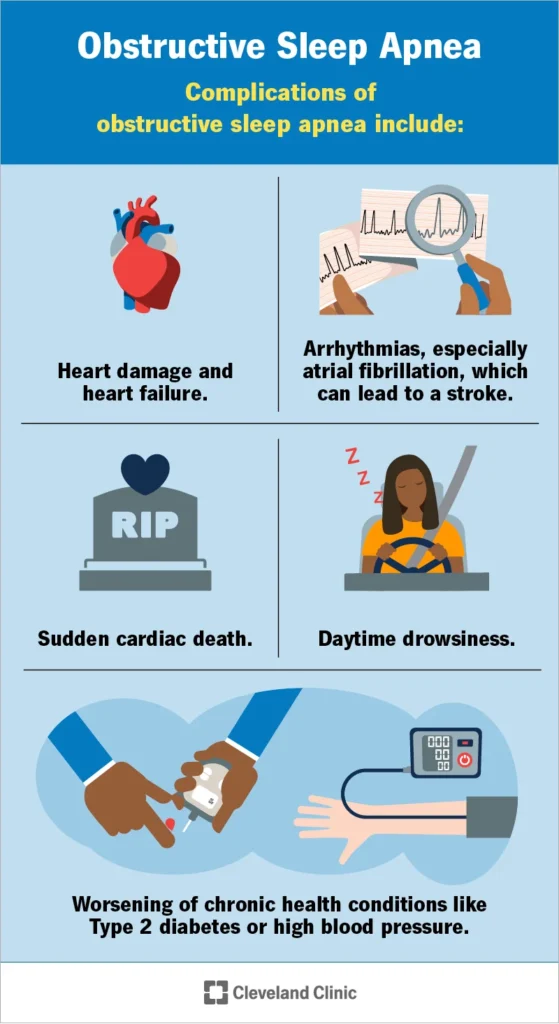
Snoring can be benign, but it can also overlap with sleep-disordered breathing. If you notice breathing pauses, gasping, morning headaches, or significant daytime sleepiness, talk with a clinician. A mouthpiece may still be part of the solution, but you’ll want the right screening first.
Also pay attention to your jaw and teeth. If you have TMJ issues, loose teeth, significant dental work, or gum disease, get dental guidance before using any oral appliance.
How to “test” progress without overthinking it
- Partner feedback: fewer nudges, fewer wake-ups, lower volume.
- Morning check: less dry mouth, fewer headaches, more refreshed.
- Consistency: results that repeat on weeknights, not just one lucky night.
Sleep trackers can add context, but don’t let imperfect numbers override obvious wins like fewer awakenings.
FAQ
What is an anti snoring mouthpiece?
It’s an oral device worn during sleep that aims to reduce snoring by improving airflow, often by gently positioning the lower jaw or stabilizing the tongue.
How fast do anti-snoring mouthpieces work?
Some people notice a difference the first night, while others need a short adjustment period to dial in comfort and positioning.
Are mouthpieces the same as CPAP?
No. CPAP is a prescribed therapy commonly used for obstructive sleep apnea. Mouthpieces are typically over-the-counter or dentist-provided devices aimed at snoring or specific breathing patterns.
What if I snore but also feel exhausted during the day?
Snoring plus significant daytime sleepiness can be a sign you should discuss with a clinician, especially if you also have pauses in breathing, gasping, or high blood pressure.
Can a mouthpiece cause jaw pain?
It can, especially if the fit is poor or the jaw is advanced too aggressively. Start conservatively, monitor symptoms, and stop using it if pain persists.
How do I clean an anti-snoring mouthpiece?
Rinse after use and clean with a gentle brush and mild soap as directed by the manufacturer. Let it fully dry and store it in a ventilated case.
CTA: make the next step simple
If you’re done guessing and want a practical tool you can actually stick with, start by learning the basics and choosing a mouthpiece built for comfort and repeatable fit.
How do anti-snoring mouthpieces work?
Medical disclaimer: This article is for general education and does not provide medical advice, diagnosis, or treatment. If you suspect sleep apnea or have severe symptoms (gasping, breathing pauses, chest pain, or dangerous daytime sleepiness), seek care from a qualified clinician.